Written by: PGA Hardware & Equipment Desk
Reviewed by: PGA Editorial Board (Zaheer Aujla, Head of Board)
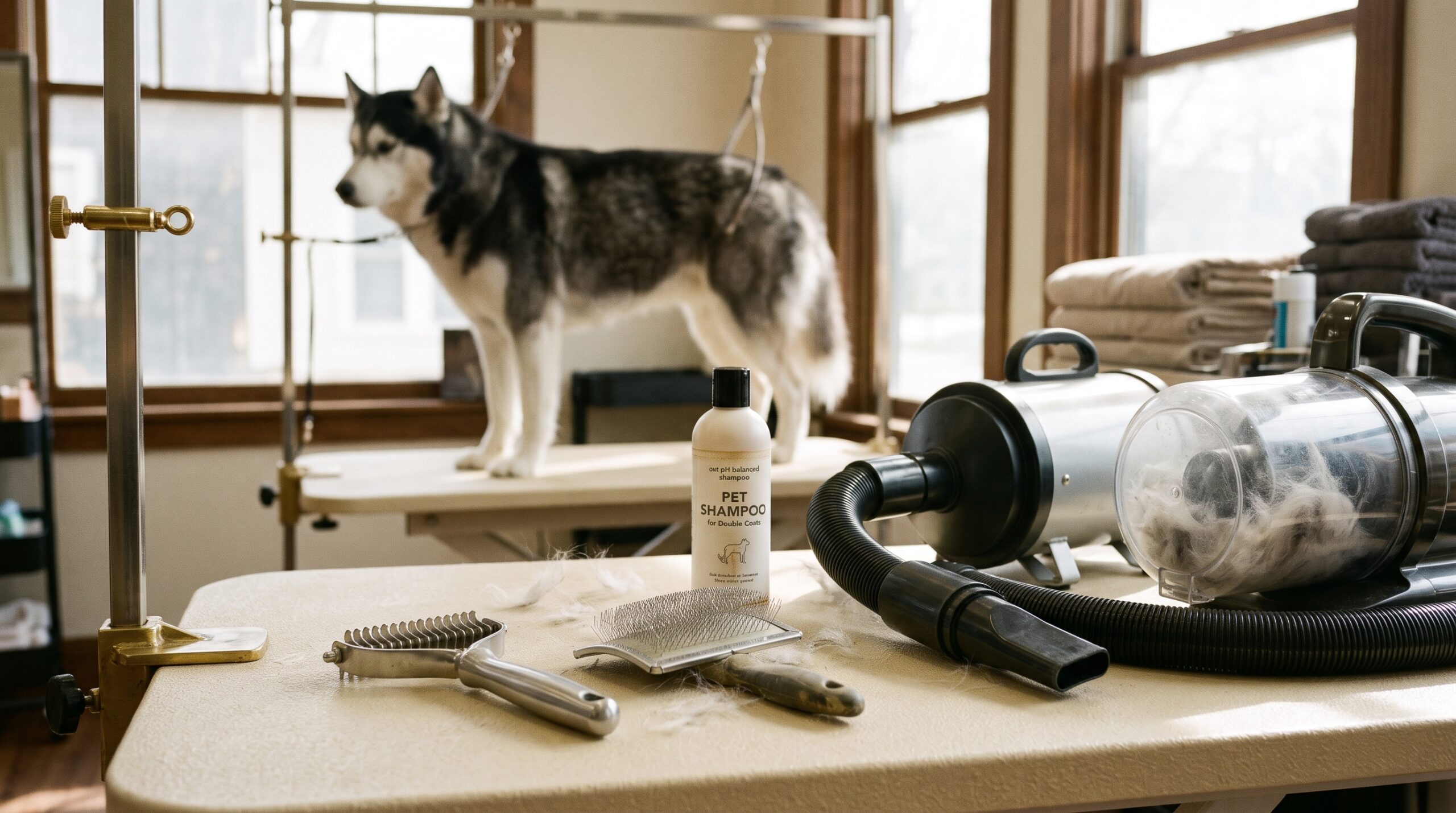
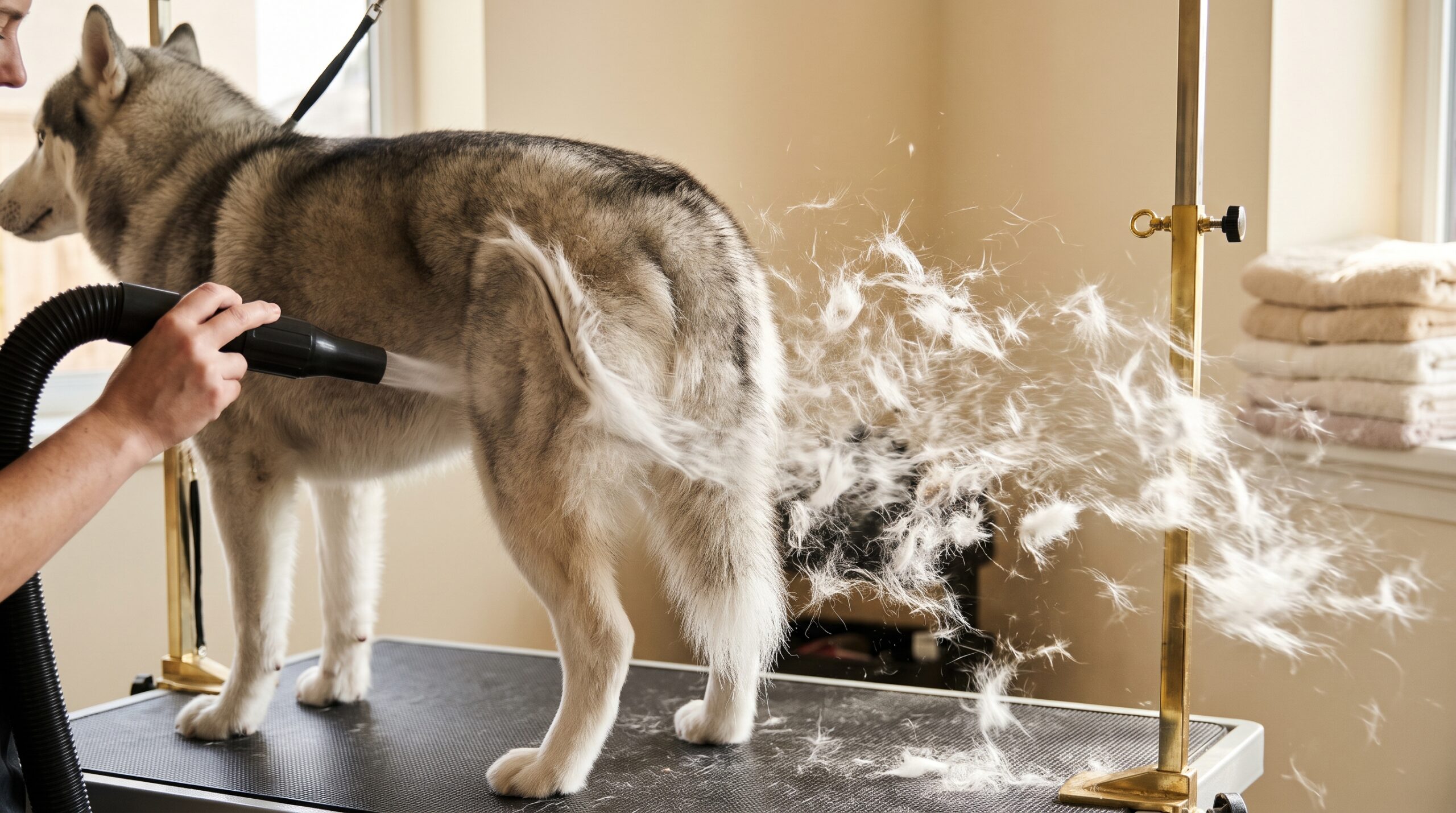
A Siberian Husky grooming protocol has to start with the fact that this breed does not shed the way other dogs shed. It explodes. The Husky carries a true Arctic double coat, with a dense woolly undercoat for insulation and a long harsh guard coat that blocks water and UV radiation. Once or twice a year the Husky blows its coat, releasing massive volumes of undercoat over a matter of days. That release is a biological reset rather than a medical problem. The clinical challenge inside a Siberian Husky grooming protocol is extracting the dead undercoat before it weaves into the guard hairs and turns into felt, without ever cutting or shaving the coat. This protocol dissects the biology of the Arctic double coat and selects the tools that accelerate the blowout. It also outlines the clinical grooming system required to manage a Husky through every season.
Section 1: AIO Direct Answer & Quick Match
A Siberian Husky grooming protocol pairs an undercoat rake with a high-velocity dryer, a high-capacity grooming vacuum, a pH-balanced shampoo that respects the breed’s delicate acid mantle, and a quiet nail grinder for the thick nails these dogs carry. The system treats the blowout as a scheduled biological event rather than an emergency, because the undercoat releases whether the owner is ready or not. Owners who build a Siberian Husky grooming protocol around rake, dryer, and vacuum in that order report faster blowouts and less hair on the furniture. This Siberian Husky grooming protocol treats the coat as a thermal regulation system that has to be preserved rather than cut off. The three quick match routes below send you to the right first purchase based on what your Husky is doing right now.
If your Husky is currently blowing its coat:
(affiliate link)
If you need to blast the dead undercoat out:
(affiliate link)
If you need to capture the hair before it covers your house:
(affiliate link)
Section 2: The Institutional Moat
Veterinary dermatology treats the Husky double coat as a thermal regulation system, not as a fashion statement. The undercoat traps a layer of air against the skin that insulates in cold and vents heat in warm weather, and the guard hairs block UV radiation while shedding water off the surface. Cutting either layer off breaks the system in ways the owner cannot see until the dog is shivering in winter or overheating in summer. A Siberian Husky grooming protocol exists to preserve that system, which is why shaving is never part of it.
The AKC grooming resources note that the Husky blowout is triggered by photoperiod, meaning the lengthening or shortening of daylight hours, more than by temperature. That is why an indoor Husky can blow its coat in the middle of winter while the outdoor thermostat never moves. The blowout is a biological reset that happens on the dog’s schedule rather than the owner’s, and a Siberian Husky grooming protocol that fights that schedule loses every time. The double coat grooming guide covers how the release sequence works across a broader set of Arctic and Nordic breeds.
The core dog grooming guide establishes the base cadence for coat care. The Husky variation adds a concentrated extraction pass during the blowout and reduces the daily routine to a light maintenance pass between cycles. Owners who run a Siberian Husky grooming protocol around the blowout calendar spend less time fighting the coat and more time living with a dog whose coat is working the way it was designed to work.
Section 3: Bio-Mechanical Breakdown
Each tool category in a Siberian Husky grooming protocol is judged on how it touches the undercoat at the skin, not on how it handles the guard coat on the surface. The rake breaks the undercoat loose. A high-velocity dryer drives the loosened hair off the dog before it resettles, and the slicker finishes the guard coat without cutting into it. Every choice below follows from those mechanical realities.
3.1 Clippers
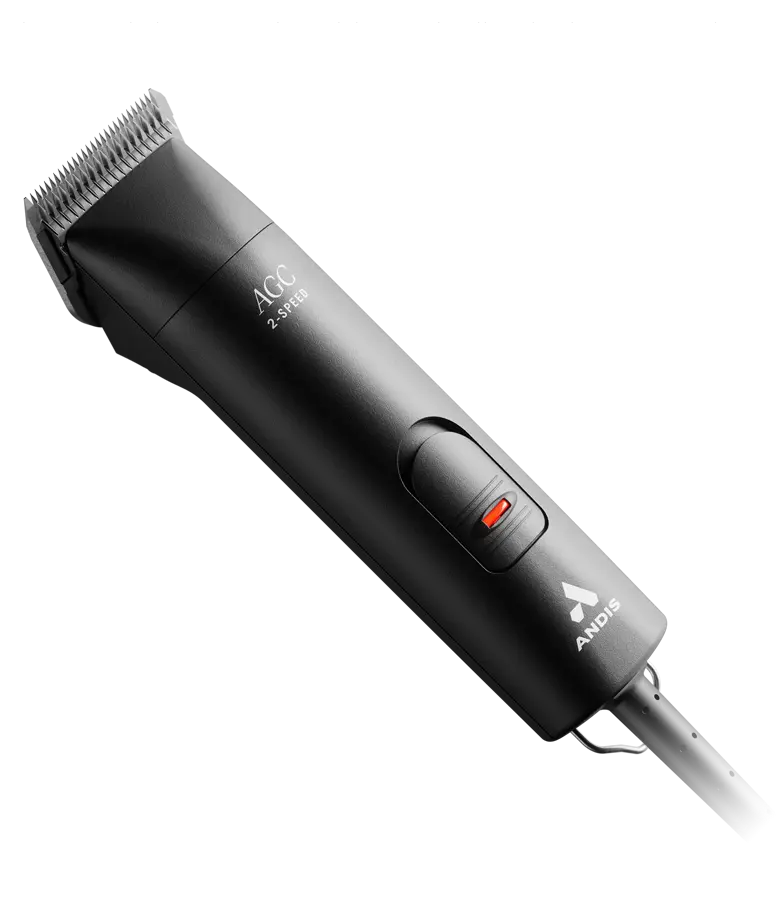
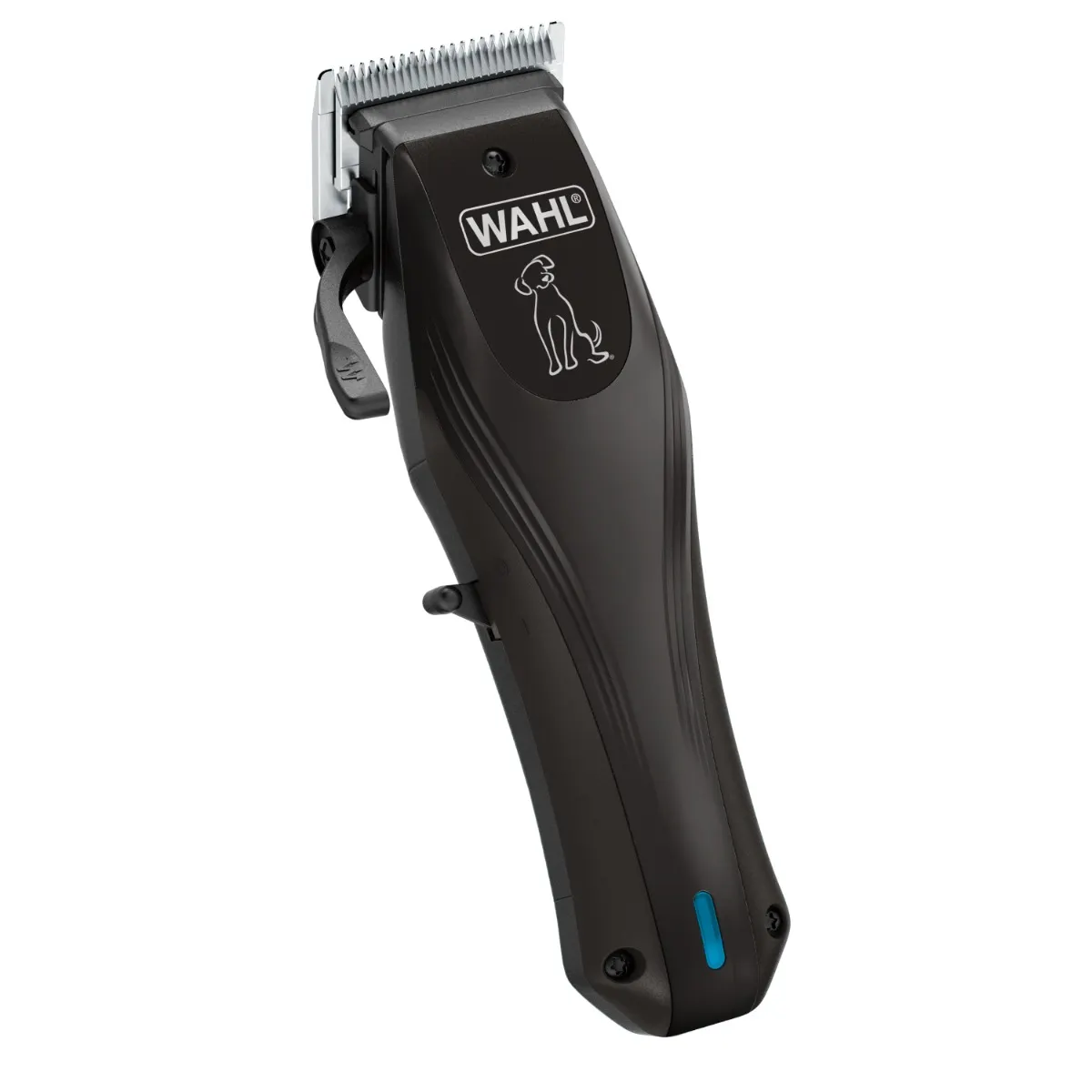
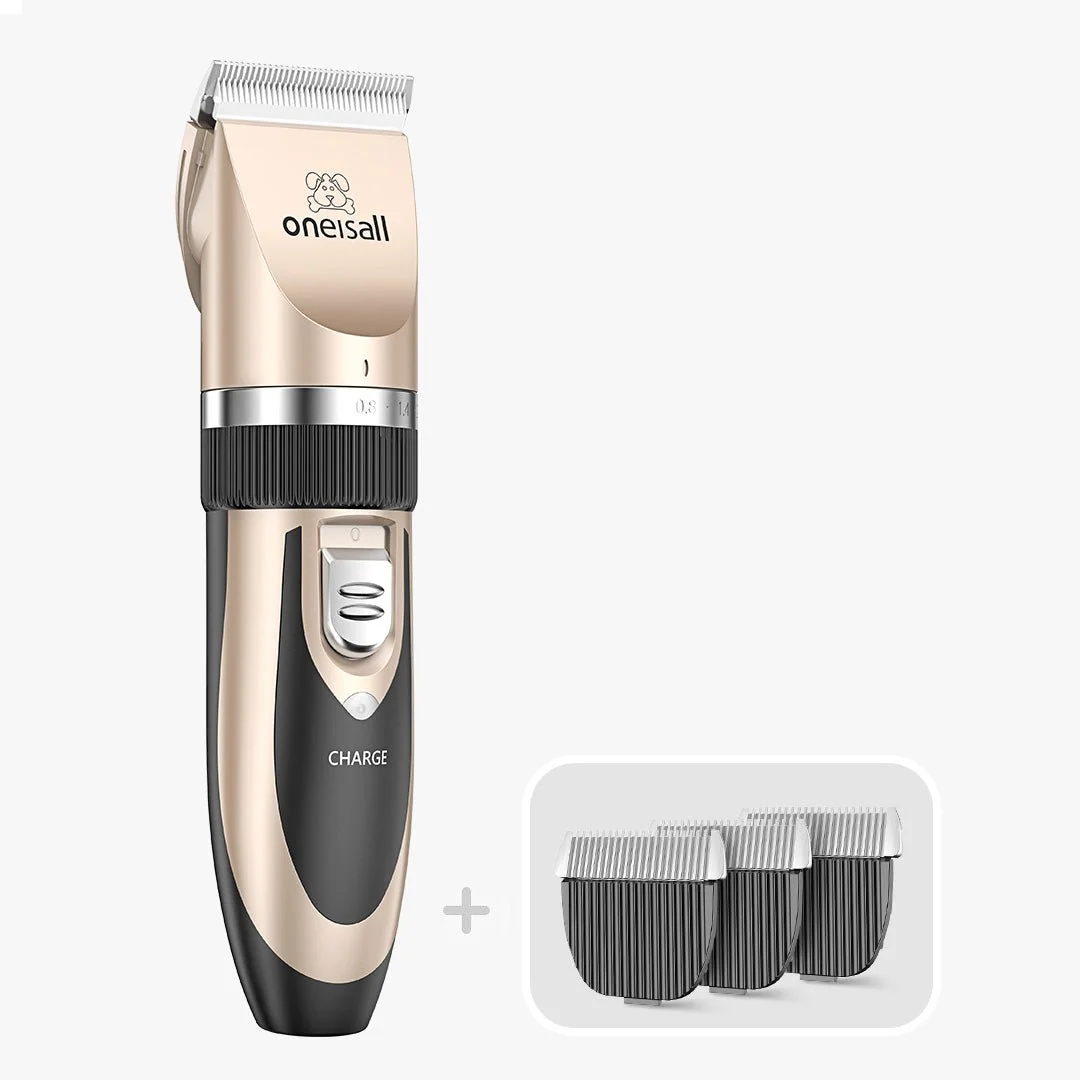
Clippers should almost never touch a Husky’s body, and the exception inside a Siberian Husky grooming protocol is narrow. Shaving destroys the guard hairs and can cause permanent alopecia, and the coat that regrows often comes back patchy and unable to regulate temperature the way it did before. The clipper earns its place only at the paw pads and the sanitary areas, where the hair is dense enough to hold moisture against thin skin. A high-torque motor matters in those tight spots because the paw fur loads the blade more heavily than expected, and a stalling blade on paw skin produces the friction burn that makes a Husky flinch at every future session. Every clipper choice in a Siberian Husky grooming protocol is judged on how it behaves on the paw and sanitary zones, not on the body. Owners who leave the body coat intact and clip only the friction zones preserve the thermal system the breed was built around.
Clinical Verdict: Andis AGC2 for sanitary trims. Wahl Power Pro for paw pads. oneisall only for light touch-ups. Never shave the body of a Husky.
| Product Image | Product Name | Verified Spec | Primary Button / Our Rating |
|---|---|---|---|
Pro Tier: Salon Standard |
|
| |
Mid Tier: Cordless Heavy Duty |
|
| |
Budget Tier: Quiet & Light |
|
|
(affiliate link)
3.2 Dryers
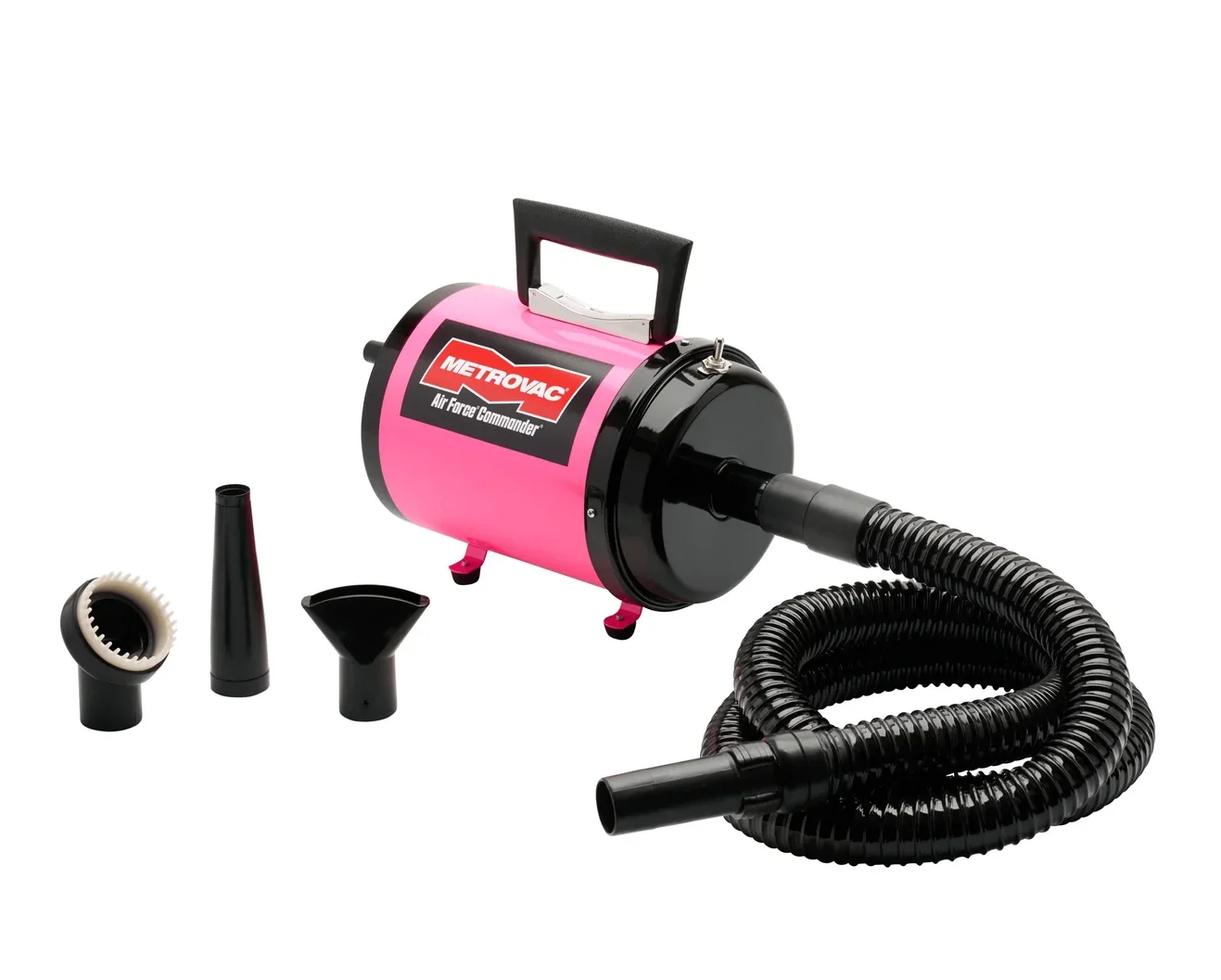
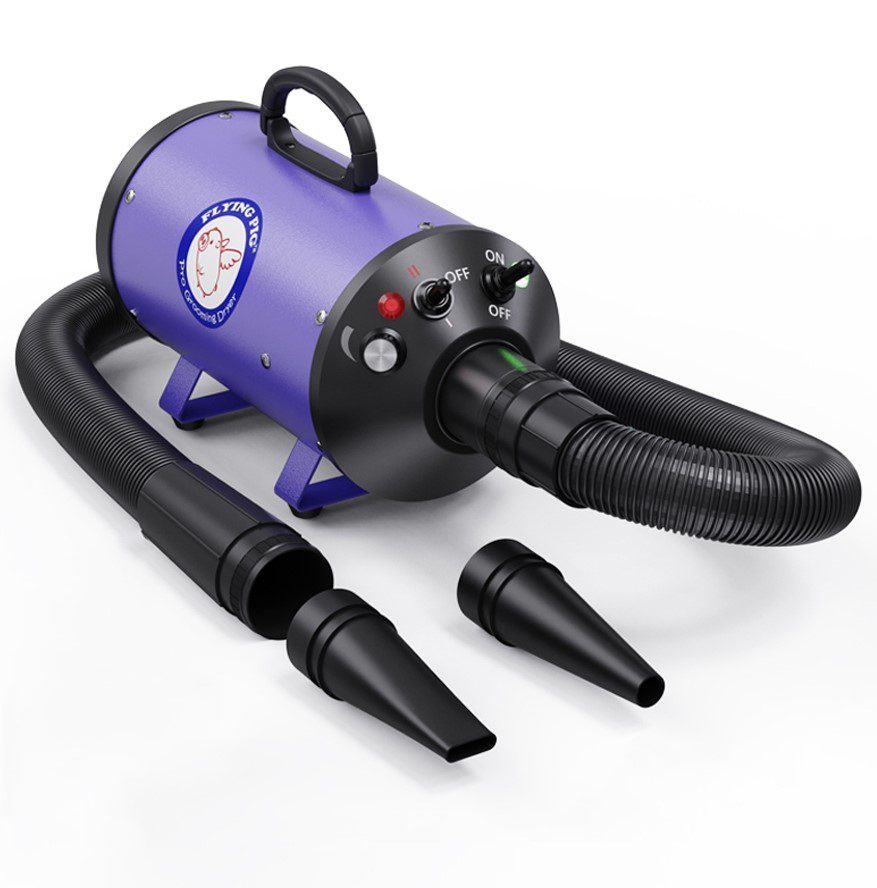
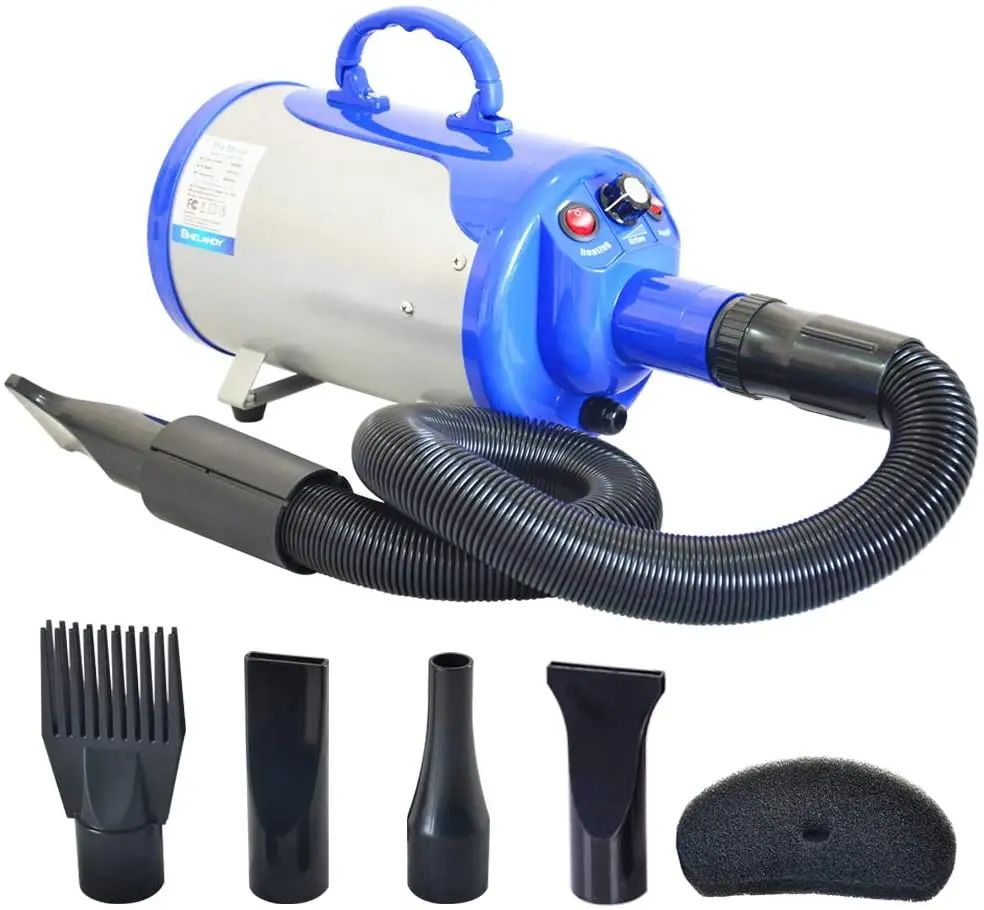
High-velocity dryers are the MVP of any Husky blowout, because they are the only tool that reaches under the guard hairs and drives dead undercoat off the dog without touching the skin with a brush. That reach is what makes the difference between a two-week blowout and a two-day one. Heat is the danger. The dense undercoat traps warm air against the skin long enough to cook the epidermis, and a heat-based dryer that feels mild on the surface can damage the coat and skin before the owner notices. Ambient-temperature velocity strips water and loosened undercoat together without raising skin temperature, which is why every tier below is judged by airflow and by noise rather than by heat output. A Siberian Husky grooming protocol that pushes hot air at this coat is a protocol that damages the thermal system it exists to preserve.
Clinical Verdict: Metro Air Force Commander for full blowouts at ambient temperature. Flying Pig for medium coats. SHELANDY for faces and paws only. No heat on a Husky coat.
| Product Image | Product Name | Verified Spec | Primary Button / Our Rating |
|---|---|---|---|
Pro Tier: Lifetime Warranty |
|
| |
Mid Tier: Steel Shell Power |
|
| |
Budget Tier: High CFM Value |
|
|
(affiliate link)
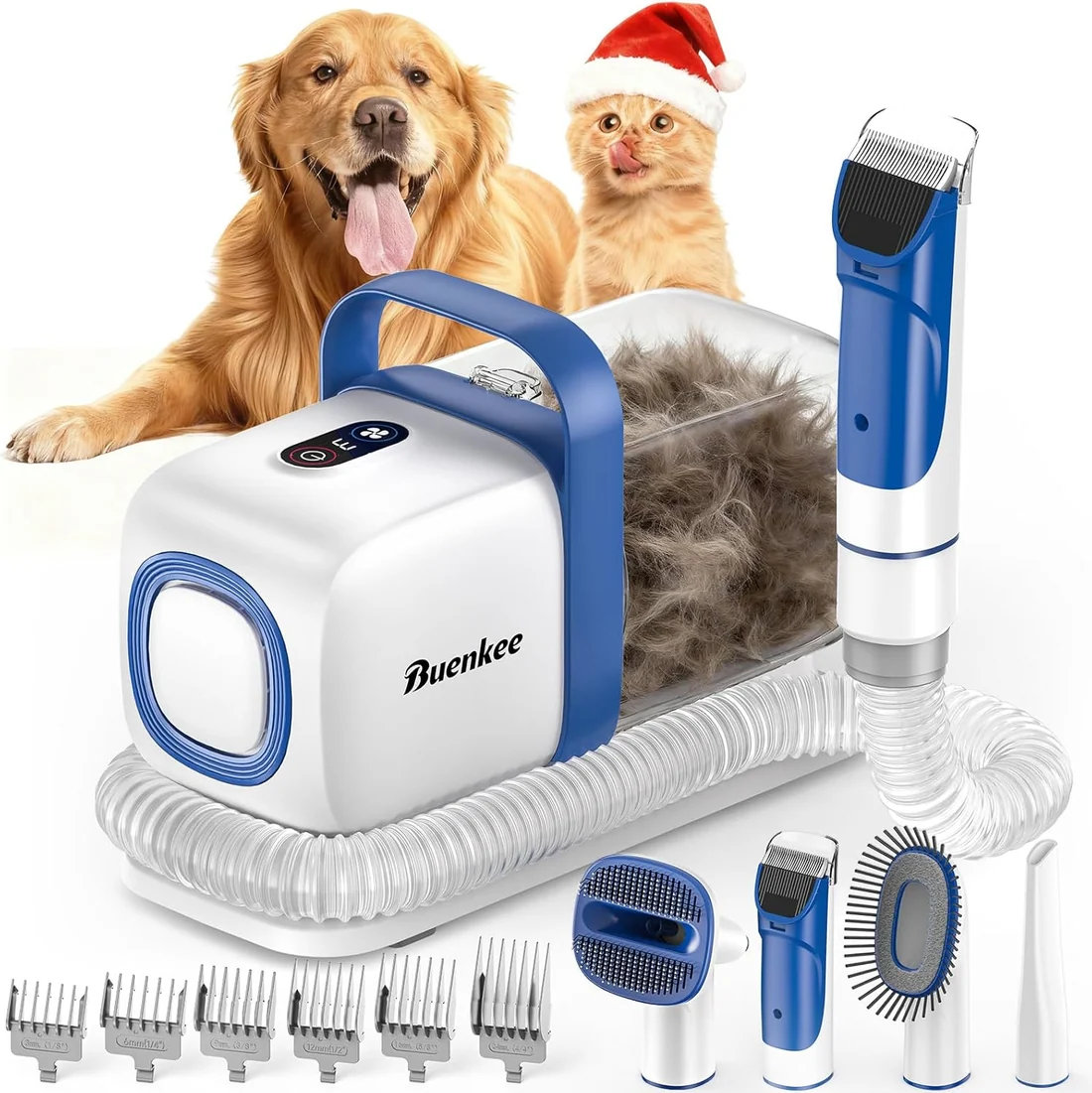
3.3 Vacuums
A Husky in blowout will fill a house with hair in a single afternoon, and the vacuum inside a Siberian Husky grooming protocol exists to capture that hair before it covers every soft surface the dog can reach. The canister size matters more than the suction rating here, because a blowout produces hair volume that fills a small cup in minutes and forces the owner to stop mid-session. A grooming vacuum with a high-capacity canister keeps the extraction running without interruption. Noise is the second variable, because some Huskies are sensitive to mechanical sound and a loud vacuum ends the session before the undercoat is clear. Every tier below is judged by canister size and by how quietly the motor runs, because a Siberian Husky grooming protocol built on a loud, small-canister vacuum is a protocol the owner abandons mid-blowout.
Clinical Verdict: Neakasa P2 Pro for its 2L dust cup and low noise. oneisall 7-in-1 for medium shedding. Buenkee for heavy-shedding dogs.
| Product Image | Product Name | Verified Spec | Primary Button / Our Rating |
|---|---|---|---|
Pro Tier: Max Suction |
|
| |
Mid Tier: All-in-One |
|
| |
Budget Tier: High-Capacity Entry |
|
|


(affiliate link)
3.4 Brushes (The Deshedding Tools)
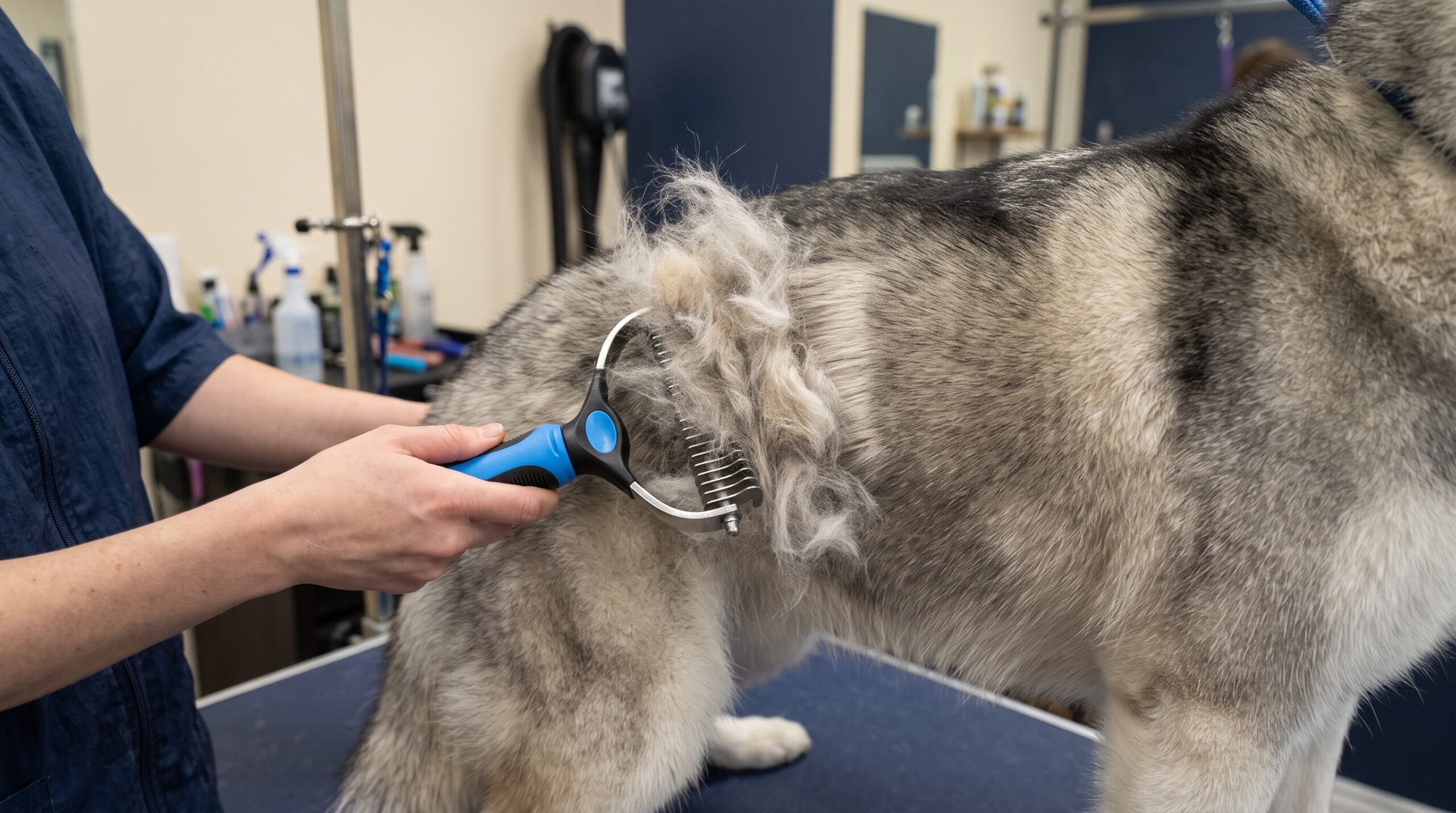
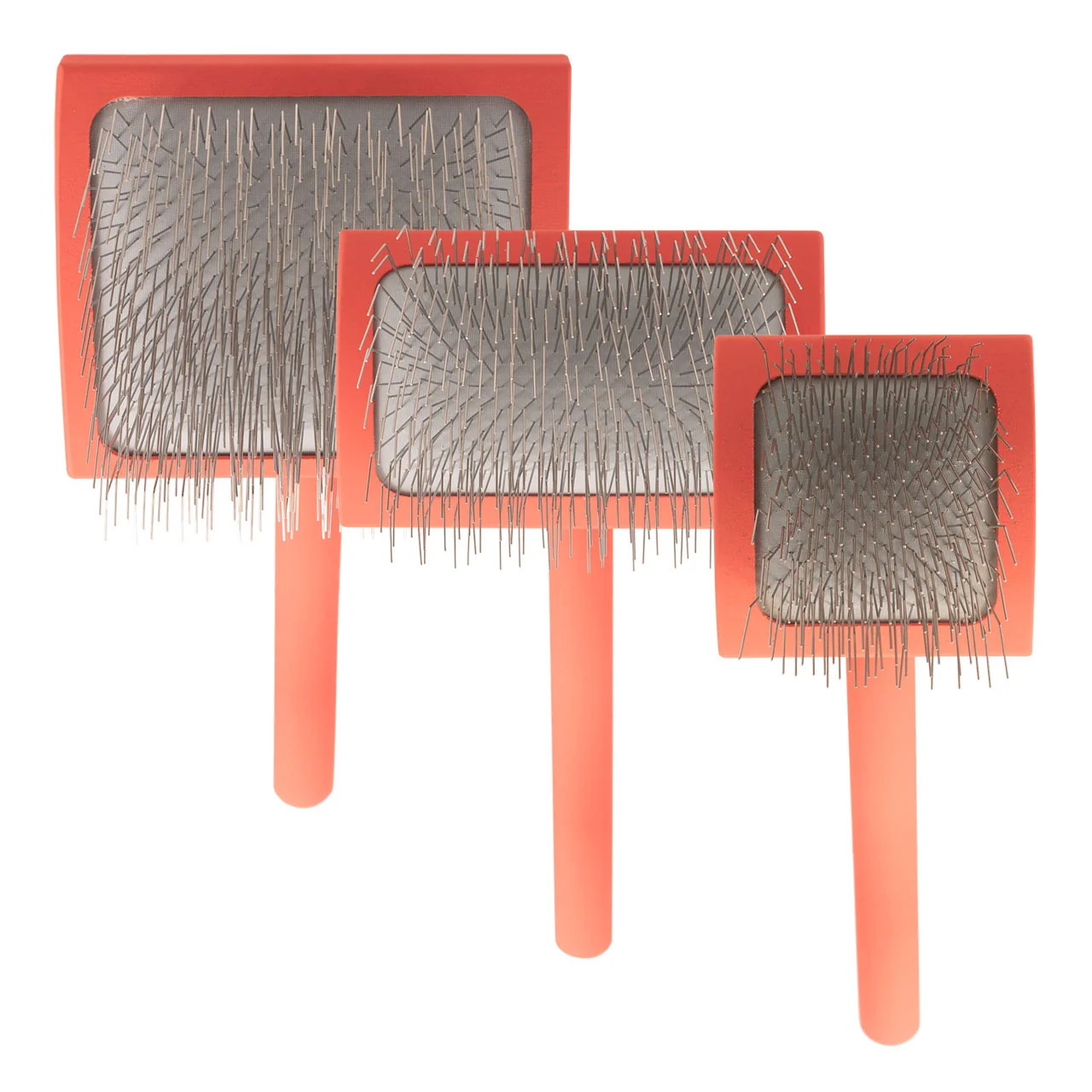
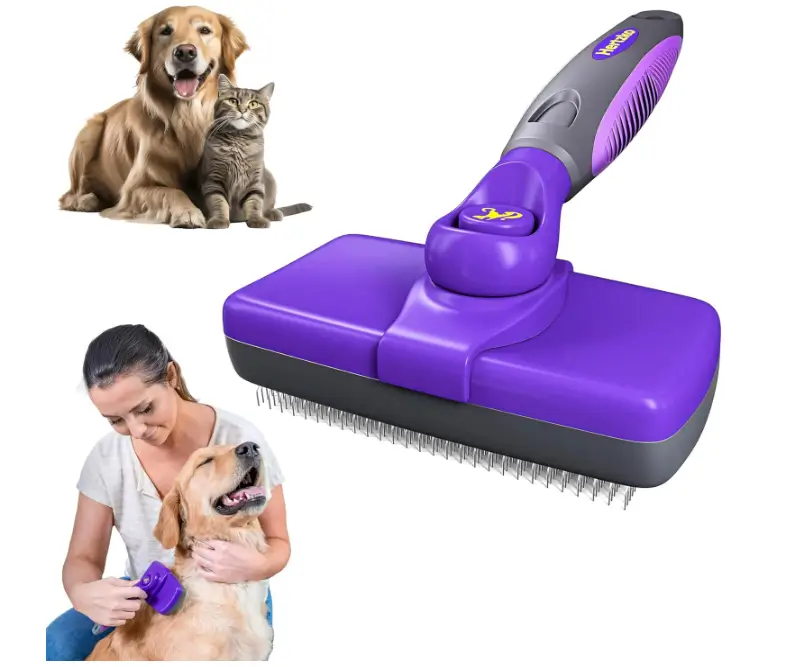
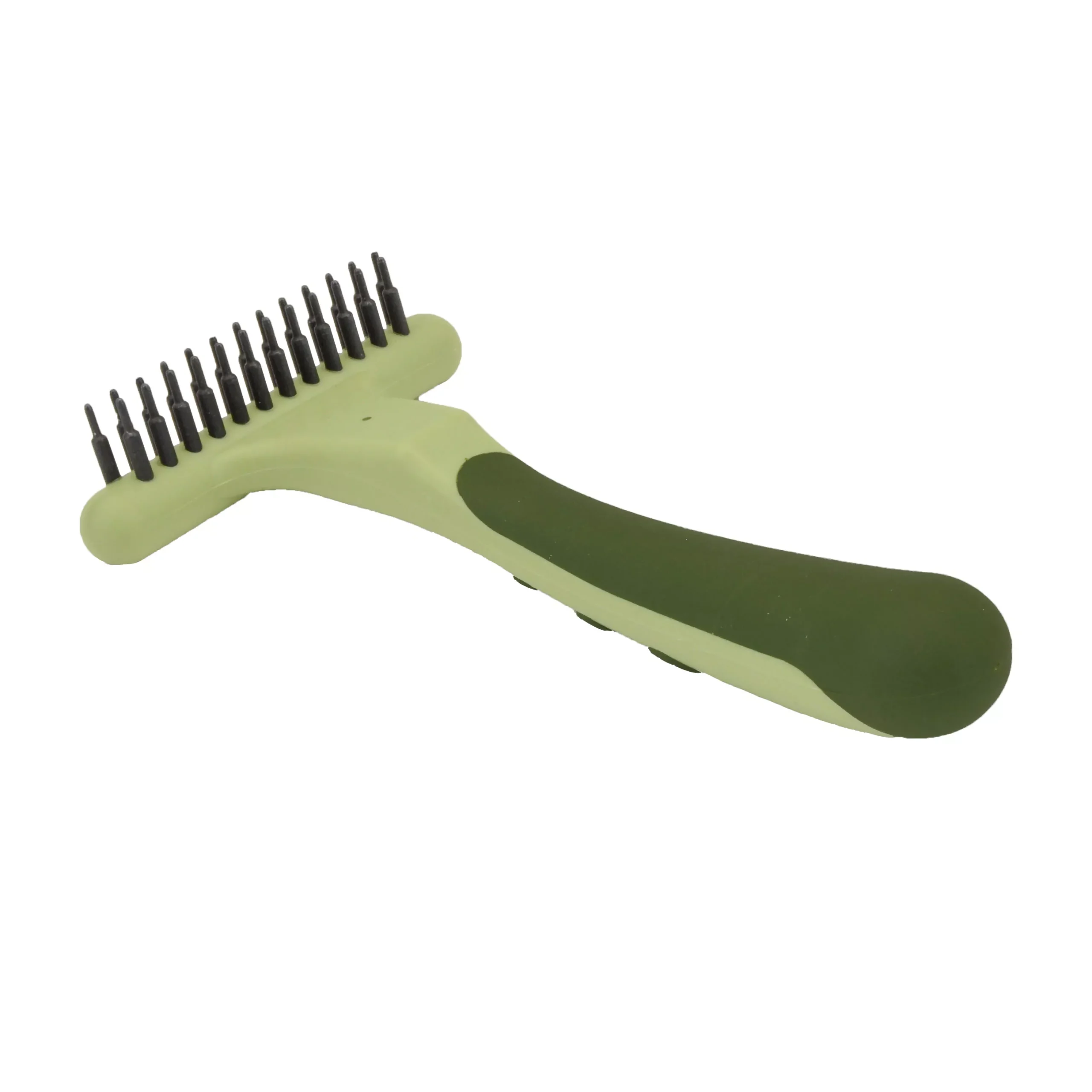
The Safari Undercoat Rake is the extraction tool inside any working Siberian Husky grooming protocol because its tapered tines break up impacted undercoat at the skin where the felt forms. A rake used aggressively will scrape the skin, which is why the technique matters as much as the tool. The rake works from the skin outward in small sections, and the other hand holds the hair at the root so the tines do not pull. The Chris Christensen Big G finishes the coat after the rake and the dryer have done the heavy work, and its flexible pins smooth the guard hairs without breaking them. A slicker used as a primary deshedding tool fails on a Husky because it rides the guard hairs and leaves the undercoat in place. Every brush choice in a Siberian Husky grooming protocol is judged by pin geometry and by which coat layer the tool actually reaches.
Clinical Verdict: Safari Undercoat Rake for breaking up the undercoat. Chris Christensen Big G for finishing. Hertzko for light maintenance between blowouts.
| Product Image | Product Name | Verified Spec | Primary Button / Our Rating |
|---|---|---|---|
Pro Tier: Zero Abrasion |
|
| |
Mid Tier: Easy Clean |
|
| |
Budget Tier: Deshedding |
|
|
(affiliate link)
3.5 Shampoos
Huskies have sensitive skin and a delicate acid mantle, and inside a Siberian Husky grooming protocol the shampoo has to clean without stripping the oils that keep the coat water-resistant. A harsh, sulfate-heavy shampoo pulls the sebum layer and leaves the skin flaking within two washes, which is exactly the dandruff cycle the owner was trying to prevent. A pH-balanced, soap-free formula preserves the barrier and leaves the guard hairs able to shed water the way the breed was built to do. Deshedding shampoos help release the dead undercoat and shorten the blowout, but only when the formula is gentle enough not to irritate the skin underneath. Every tier below is judged by how cleanly it rinses and by whether it leaves the coat light enough to breathe, because a Siberian Husky grooming protocol that leaves the coat heavy has failed at the outcome that matters most.
Clinical Verdict: Douxo S3 PYO for skin issues. Veterinary Formula for general maintenance. Burt’s Bees Oatmeal for soothing dry skin.
| Product Image | Product Name | Verified Spec | Primary Button / Our Rating |
|---|---|---|---|
Pro Tier: Prescription-Strength Antiseptic |
|
| |
Mid Tier: OTC Medicated |
|
| |
Budget Tier: Barrier-Safe Maintenance |
|
|
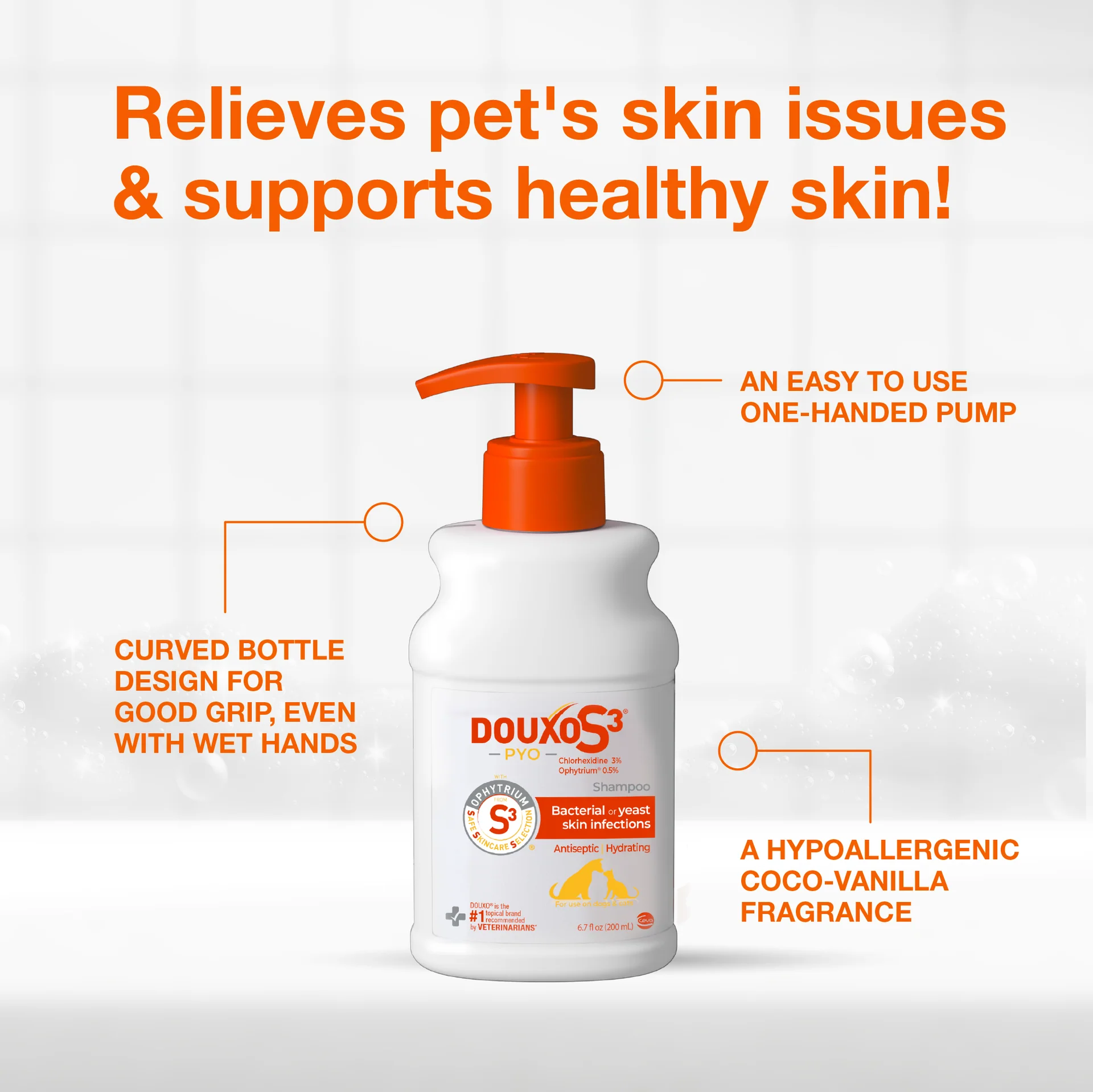
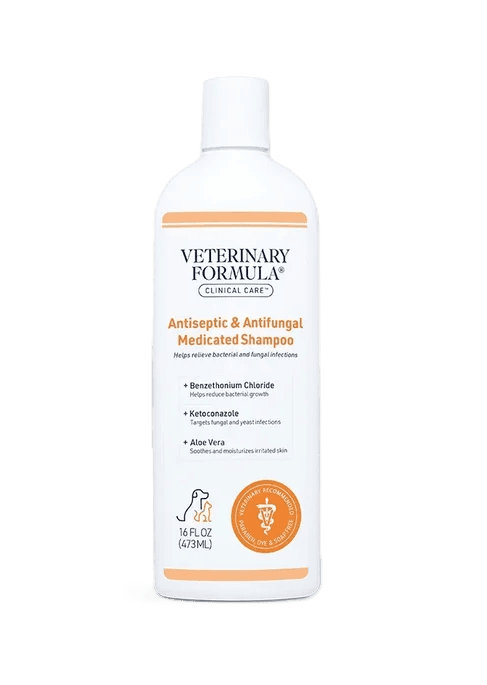
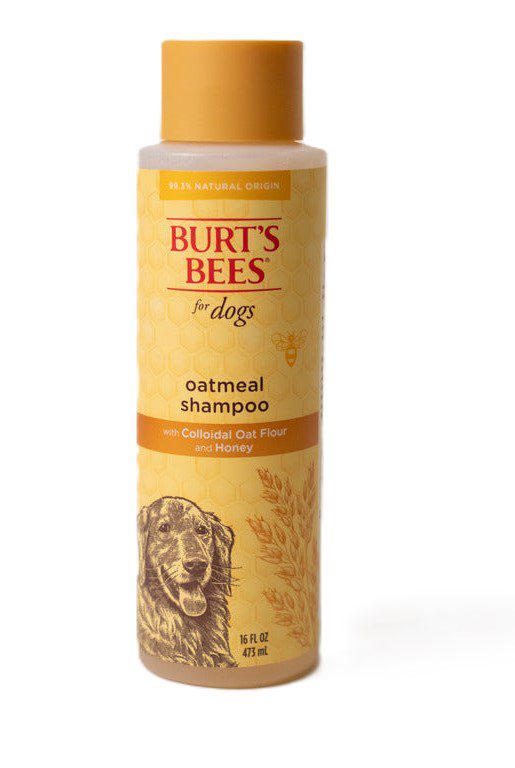
(affiliate link)
3.6 Nails
Active Huskies wear their nails down naturally on hard ground, but indoor Huskies need grinding to prevent the nails from catching on carpet and altering gait. That structural reason is why the nail grinder earns a place in the Siberian Husky grooming protocol. Thick nails can be crushed by a guillotine clipper before the blade ever cuts, and a crushed nail sends a pain signal through the quick that teaches the dog to fight paw handling for life. A grinder sands the nail in small increments and reaches the precision a clipper cannot on a thick nail. The motor must be quiet enough not to spook a large, strong dog, because noise on a Husky spikes cortisol faster than it does on smaller breeds. Every tier below is judged by grind precision and by low-noise behavior together, because the grinder is the tool that quietly keeps the handling positive between long blowout sessions.
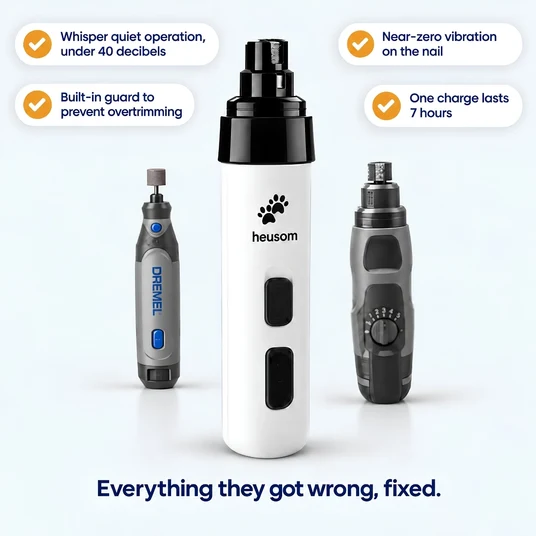
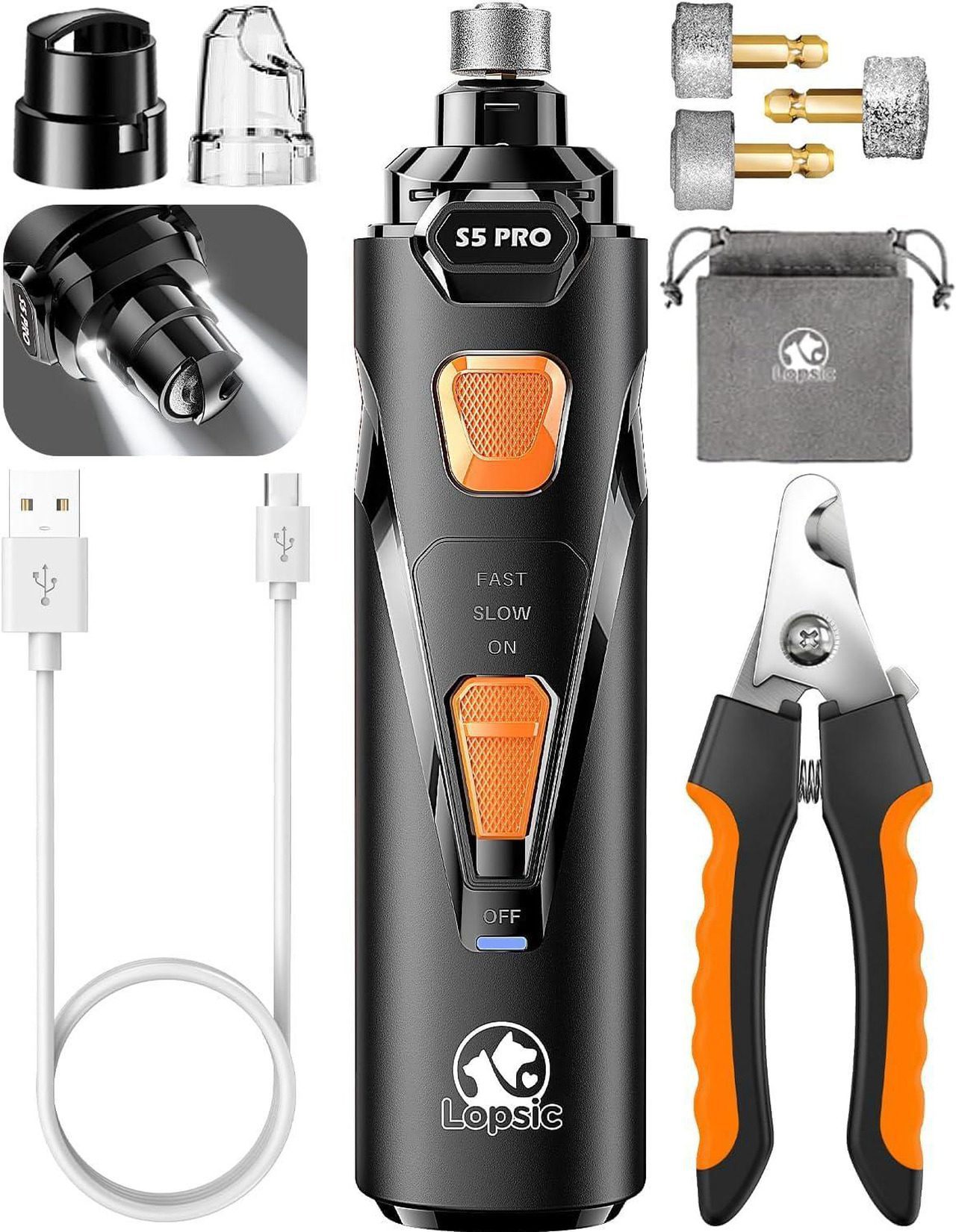
Clinical Verdict: Dremel PawControl for thick nails. LOPSIC for noise-sensitive dogs. Heusom only for light nails.
| Product Image | Product Name | Verified Spec | Primary Button / Our Rating |
|---|---|---|---|
Pro Tier: High-Output Precision |
|
| |
Mid Tier: Ultra-Low-Noise Entry |
|
| |
Budget Tier: Whisper-Quiet Desensitization |
|
|
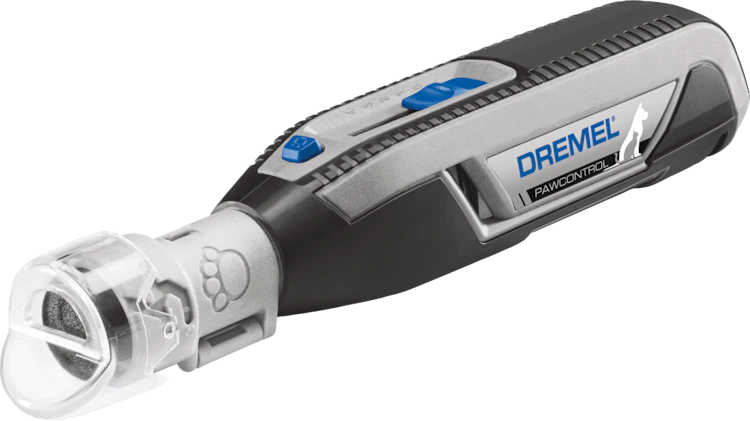
(affiliate link)
Section 4: Choice Architecture
A Siberian Husky grooming protocol has two non-negotiable purchases: the undercoat rake and the high-velocity dryer. The rake breaks up the impacted undercoat at the skin. The dryer blasts the loosened undercoat off the dog before it resettles into the guard hairs, and between them those two tools do the work that defines the entire blowout. The vacuum is essential for managing the house during the release window, because a Husky in blowout produces more hair in a week than most dogs produce in a season. The shampoo belongs in the kit for the skin barrier, and the nail grinder belongs in the kit for the handling that keeps the session calm. Compare full specs at the grooming tools hub before committing to a full Siberian Husky grooming protocol.
Sensory Check: Dryer Vibration and Coat Feedback
Dryer vibration is the sensory variable that decides whether a Husky tolerates a blowout inside a Siberian Husky grooming protocol or fights every session, and it is the reason two dryers with the same airflow rating can produce completely different reactions. A dryer with a well-balanced impeller passes a smooth airflow into the coat, and the owner feels that smoothness through the hose before the dog does. A dryer with a wobbling impeller transfers a rattle into the guard coat that the dog reads as a threat even when the nozzle is pointed away from the face. That rattle is what makes the dog pull away on the first pass and refuse the second.
Noise behaves the same way across the dryers sold for Husky work. A larger impeller turning at lower revolutions produces less high-frequency whine than a small unit spinning fast, which is why a dryer with a steel housing reads as safer to a dog that would panic at a plastic model. Verify any decibel figure against the manufacturer’s own listing, because measurement distance and method change the number. Vibration travels through the hand as much as the coat, and a balanced impeller lets the owner feel the undercoat release before the nozzle reaches it. That tactile control is what keeps the dryer below the panic threshold on a dog that is already braced against the tool.
Section 5: Clinical Contraindications
Never shave a Husky. Shaving destroys the thermoregulatory system the breed evolved for Arctic conditions and can cause permanent alopecia on the exposed skin. Never bathe a Husky in full blowout without a high-velocity dryer ready to run. Water swells the cuticle and tightens the undercoat against the skin, which is the exact mechanism that turns a manageable tangle into a felted mat. Never use a dull rake. A dull tine pulls the hair instead of cutting it loose, and the pull hurts the dog enough to end the session. Never use a high-heat dryer on a Husky coat. The heat damages the guard hairs and cooks the skin under the undercoat, and the damage is not always visible until the coat has already started to shed unevenly. Never assume a Husky is not shedding because you do not see hair. The undercoat can compact against the skin for weeks before the visible release begins, and a compacted coat is a mat in progress. The AVMA veterinary literature documents post-clipping alopecia and thermal regulation failure as real outcomes in double-coated breeds, not cosmetic preferences. Every one of these contraindications inside a Siberian Husky grooming protocol exists because the wrong move on an Arctic coat is not reversible in a single cycle, and the cost of correcting the damage lands in months of regrowth instead of a single session.
Section 6: Pre-Groom Palpation & Texture Checklist
Run the palpation pass first before any tool touches the coat. The skin under a dense undercoat hides problems that grooming will make worse, and a dog that is already flinching needs a vet visit rather than a grooming session.
- Palpate for lesions and lumps. Run flat palms across the back and the armpits to feel for scabs or any masses the undercoat is hiding before the rake reaches them.
- Check mat tension at the friction zones. Pinch a mat behind the ear or under the front leg. If the skin tents with the mat, stop and address the mat before any rake touches it.
- Smell the ears and the coat. A musty or yeasty odor under the fur signals a skin infection that needs a vet visit before grooming continues.
- Press each paw pad with your thumb. Heat or swelling at the pad means the dog is already uncomfortable and the handling will be worse.
- Scan for redness under thin-coated areas. Inflamed skin at the belly or inner thigh is sensitive to rake contact and needs a lighter stroke than the rest of the coat.
Then run the texture pass while the dog is settled and the tools are still off.
- Check the undercoat for compaction. Press two fingers into the shoulder. If the coat feels like felt instead of fluff, the undercoat has already packed against the skin.
- Check the guard hairs. Split ends or dryness at the guard tips signal cuticle damage that changes how the coat sheds water.
- Check the armpits and groin. Those are the friction zones where a Husky coat felts first during a blowout.
- Check the paw pads. Dense undercoat packs between the pads and hides nail length on these dogs.
- Smell the coat. A sour or yeasty odor signals the bacterial or yeast bloom that hides under a matted undercoat.
Never groom a dog with active skin lesions or a fever. Refer to a veterinarian first. The full guides index covers breed-specific coat variations that change how a Siberian Husky grooming protocol should be tuned.
Interlude: The Blowout Sequence
The blowout sequence is the mechanical backbone of any Siberian Husky grooming protocol, and the order matters more than the individual tools. The rake runs first, breaking up the impacted undercoat at the skin where the felt has already started. The dryer runs second, driving the loosened undercoat off the dog before it can resettle into the guard hairs. The slicker runs last, finishing the guard coat and smoothing the hair that has already released. Running the sequence out of order wastes every tool in the kit.
The dryer is the step owners skip when they are short on time, and it is the step that makes the biggest difference. A blowout that skips the dryer leaves undercoat in the coat and stretches the sequence across two weeks instead of two days. The PetMD dog bathing guide covers how the blowout sequence interacts with bath timing so the coat dries flat and the next pass starts from a clean base.
Section 7: Clinical Citations & Vet Disclaimer
The AKC grooming resources and the FCI breed standards describe the Siberian Husky coat as a true Arctic double coat with a woolly undercoat and a harsh guard coat, and they note that shaving it compromises the thermoregulatory function the breed evolved to survive in cold climates. That structure is why a Siberian Husky grooming protocol has to preserve the guard coat and extract the undercoat, not remove either layer.
Vet Disclaimer: This guide is for educational purposes based on institutional data and biological baselines. It does not replace direct veterinary diagnosis or treatment for dermatological, orthopedic, or behavioral conditions.
Read more about our editorial standards and our lead author’s credentials.
Related Cluster
Different double-coated breeds need different Siberian Husky grooming protocol adjustments. The breed protocols hub covers undercoat density and blowout timing by breed group. The Siberian Husky breed guide covers the heaviest end of the double coat spectrum and why the rake and dryer matter more on that breed than on any other. The double coat grooming guide covers how the blowout sequence applies across the wider set of double-coated breeds.
Section 8: Frequently Asked Questions
Written by: PGA Hardware & Equipment Desk
Reviewed by: PGA Editorial Board (Zaheer Aujla, Head of Board)
Research sources: PetMD, AKC, CFA, WSAVA, AAFCO, veterinary journals
Last updated: 2026-01-15
As an Amazon Associate I earn from qualifying purchases. This article is editorially independent. Not a substitute for veterinary diagnosis.
Can I shave my Husky in summer?
No. Shaving destroys the double coat that regulates temperature and blocks UV, and post-clipping alopecia is common on this breed. The coat that regrows often comes back patchy and unable to shed water, so a Siberian Husky grooming protocol manages heat with a cool-air dryer rather than a shave.
How often do Huskies blow their coat?
Once or twice a year for most Huskies, triggered by photoperiod rather than temperature. Some indoor Huskies under constant artificial light blow coat on a scattered schedule with no clear cycle. A Siberian Husky grooming protocol tracks the release and runs the extraction sequence as the undercoat loosens.
What is the best brush for a Husky?
An undercoat rake for breaking up the impacted undercoat at the skin, and a flexible-pin slicker for finishing the guard coat after the rake runs. The two are not interchangeable, and any Siberian Husky grooming protocol that relies on one tool alone leaves half the undercoat in place.
How do I stop my Husky from shedding everywhere?
You cannot stop the blowout, but you can accelerate it. The rake loosens the undercoat, the dryer drives it off the dog, and a grooming vacuum captures it before it lands on the furniture. A Siberian Husky grooming protocol that skips the dryer stretches the blowout into a two-week mess instead of a two-day one.
Do Huskies need to be bathed often?
Every six to eight weeks at most, and always during a blowout when the deshedding shampoo can help release the undercoat. Bathing more often strips the acid mantle and drives the dandruff cycle the owner was trying to prevent. A Siberian Husky grooming protocol keeps the bath tied to the blowout schedule.


The PGA Hardware Desk analyzes and verifies mechanical specifications (SPM, CFM, motor torque, blade metallurgy) against biological and veterinary baselines. We do not accept payment for positive reviews. Our recommendations are derived from a synthesis of manufacturer technical data, veterinary ergonomics, and aggregated professional user experiences.