Dog food allergies account for a median of 18% of pruritus cases in dogs presented to veterinary dermatology practice, with a reported range of 9% to 40% (Olivry and Mueller, BMC Veterinary Research, 2017). An itchy dog is not always a dog with fleas. The mechanism behind dog food allergies is Type I hypersensitivity. B lymphocytes produce IgE antibodies that bind mast cells, and re-exposure to the offending protein triggers degranulation and histamine release (Veterinary Practice, food hypersensitivity review). That histamine drives the itch-scratch cycle. This protocol dissects the immunology of dog food allergies, separates them from food sensitivities, and outlines the diagnostic tool that actually matters: the strict eight-week elimination diet followed by a provocative challenge.
Written by: PGA Nutrition & Dietetics Desk
Reviewed by: PGA Editorial Board (Zaheer Aujla, Head of Board)

1. Clinical Answer & Dietary Triage
The single reliable diagnostic tool for dog food allergies is a strict eight-week elimination diet using either a hydrolyzed protein formula or a novel protein the dog has never eaten. Hydrolysis reduces whole proteins to peptides and amino acids, disturbs epitopes, and prevents IgE cross-linking, which is why extensively hydrolyzed diets anchor the veterinary diagnostic standard (MSPCA Partners in Care, Winter 2021). Novel protein diets work on a different principle, because the immune system has no memory of the protein and no reaction occurs. Limited ingredient diets help avoid known triggers but do not diagnose. Choosing the wrong path for dog food allergies wastes months of owner effort and delays treatment.
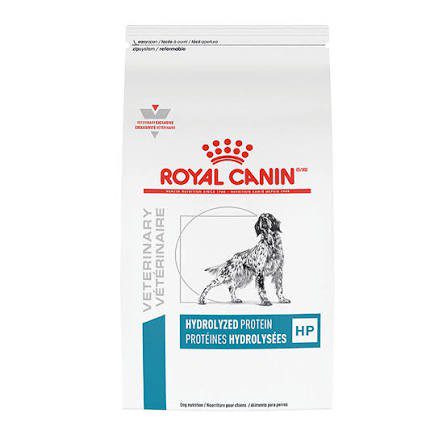
For diagnosing the allergy with a vet-guided hydrolyzed diet (Pro Tier):
Royal Canin Hydrolyzed Protein HP
(affiliate link)
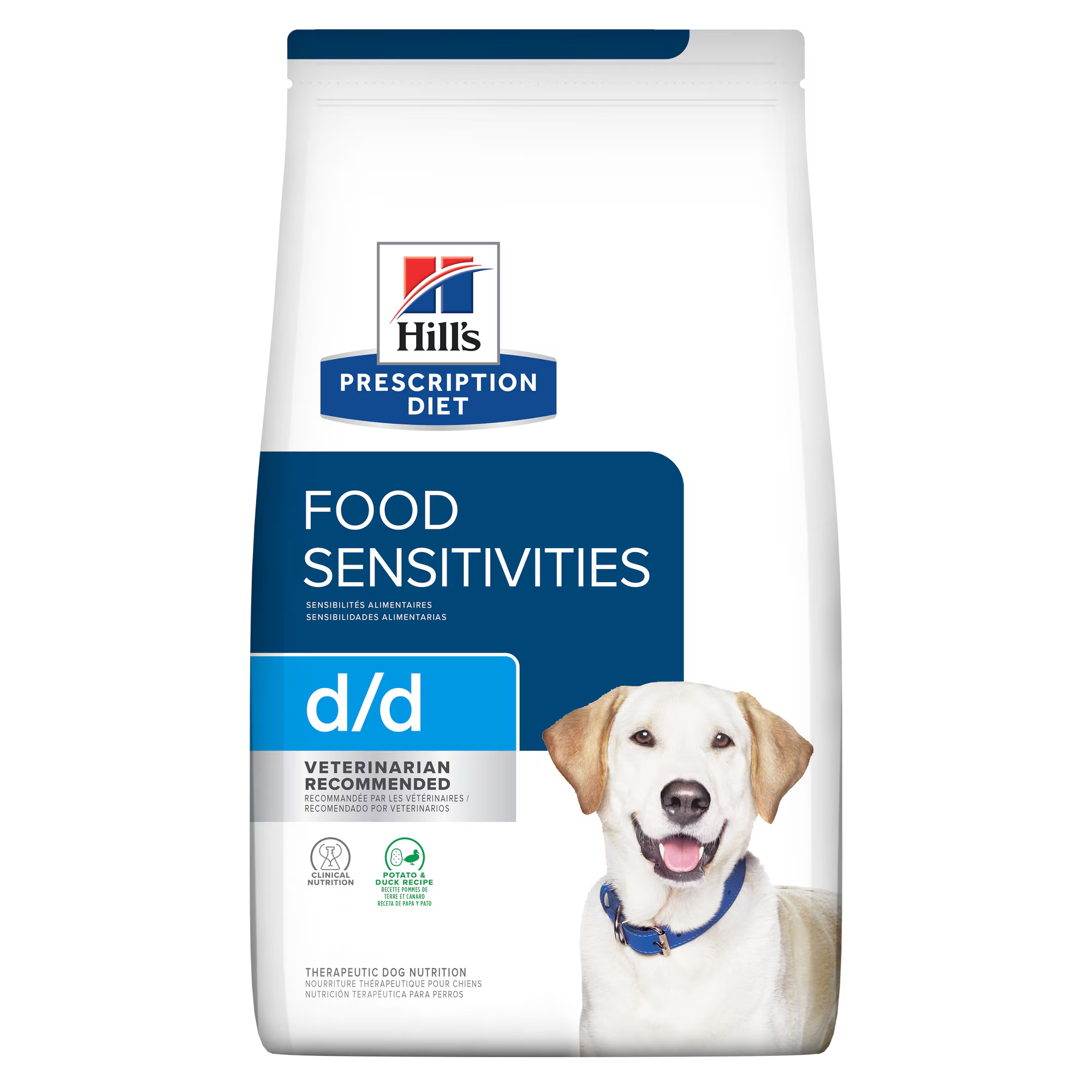
For long-term maintenance on a clinical novel protein (Mid Tier):
Hill’s Prescription Diet d/d Duck
(affiliate link)
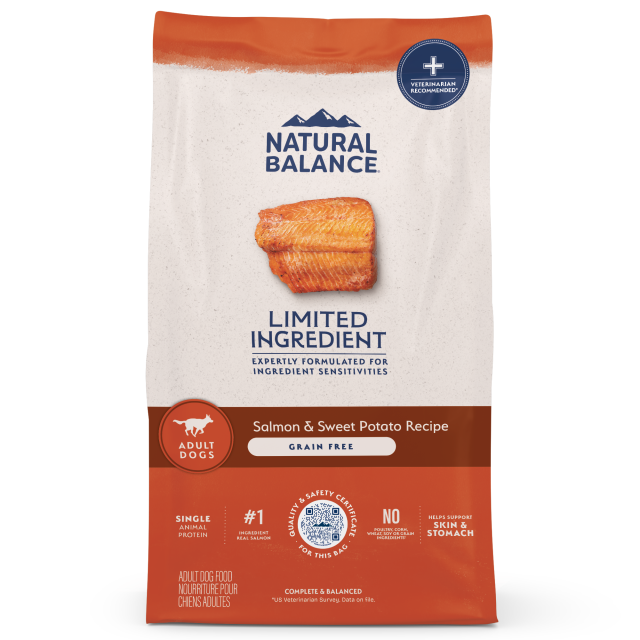
For a high-volume, retail salmon alternative (Budget Tier):
(affiliate link)
2. The Nutritional Biochemistry Context
Dog food allergies are IgE-mediated, which means the reaction runs through a specific antibody pathway and typically shows up within minutes to hours of exposure. A food sensitivity works differently. It involves a non-IgE immune response, often with delayed onset measured in days, and it frequently presents with gastrointestinal signs rather than skin lesions. The distinction matters because owners often lump the two together under one label and then chase the wrong treatment. A board-certified veterinary dermatologist makes that distinction through the elimination trial, not through a blood test or a saliva panel sold online. The AVMA veterinary literature documents the diagnostic limits of serum and saliva testing for dog food allergies.
The most common dog food allergies map directly onto the most common proteins in commercial diets. A systematic review of the best available evidence identified beef, dairy products, chicken, and wheat as the most likely food allergens contributing to canine cutaneous adverse food reactions (Mueller, Olivry, and Prélaud, BMC Veterinary Research, 2016). The logic behind dog food allergies is exposure-based, not ingredient-based. A dog fed chicken kibble for six years has a six-year immunological history with chicken protein, which raises the probability of sensitization. That is why a diet change to a protein the dog has never encountered performs better diagnostically than switching to a different brand built on the same base ingredient.
Grain-free does not mean allergen-free. Some owners buy a grain-free formula expecting relief from dog food allergies and then report no improvement after three months. The failure is predictable. The documented common allergens are animal proteins and dairy, so removing corn or wheat while keeping chicken and beef removes nothing the immune system recognizes. The dog nutrition research library covers protein sources in depth, and the health conditions archive documents how canine atopic dermatitis overlaps with adverse food reactions in clinical presentation.
3. The Ingredient & Strain Matrix
Three dietary paths exist for managing dog food allergies, and each serves a different phase of the clinical process. Hydrolyzed protein diets carry the diagnostic weight because they bypass immune recognition. Novel protein diets carry the maintenance role because they offer a safe long-term feeding option once the allergen is identified. Limited ingredient diets provide a practical middle ground but cannot diagnose anything on their own. Confusing these roles is a reason an elimination trial for dog food allergies fails at home.
3.1 Hydrolyzed Protein: The Diagnostic Gold Standard
Hydrolysis breaks proteins into peptide fragments and free amino acids too small for IgE antibodies to recognize. Molecular weight drops, epitopes are disturbed, and IgE cross-linking is prevented (MSPCA Partners in Care, Winter 2021). Royal Canin Hydrolyzed Protein HP and Hill’s z/d both use this approach, and a randomized, double-blinded crossover trial in Veterinary Dermatology tested two hydrolyzed poultry-based commercial diets in dogs with confirmed chicken allergy (Bizikova and Olivry, 2016). The standard protocol runs eight weeks, a window shown to identify over 90% of food-allergic patients (MSPCA Partners in Care, Winter 2021). Gastrointestinal signs often clear within two to three weeks, while skin signs need the full trial. Owners ask why a hydrolyzed diet cannot serve as long-term maintenance for dog food allergies. The answer is cost and formulation. These diets cost more than conventional kibble, and their nutrient profiles are designed for short-term therapeutic use rather than a decade of feeding.
Clinical Verdict: Hydrolyzed diets are the only reliable diagnostic tool for true dog food allergies. They bypass the immune response entirely.
3.2 Novel Protein: The Long-Term Maintenance
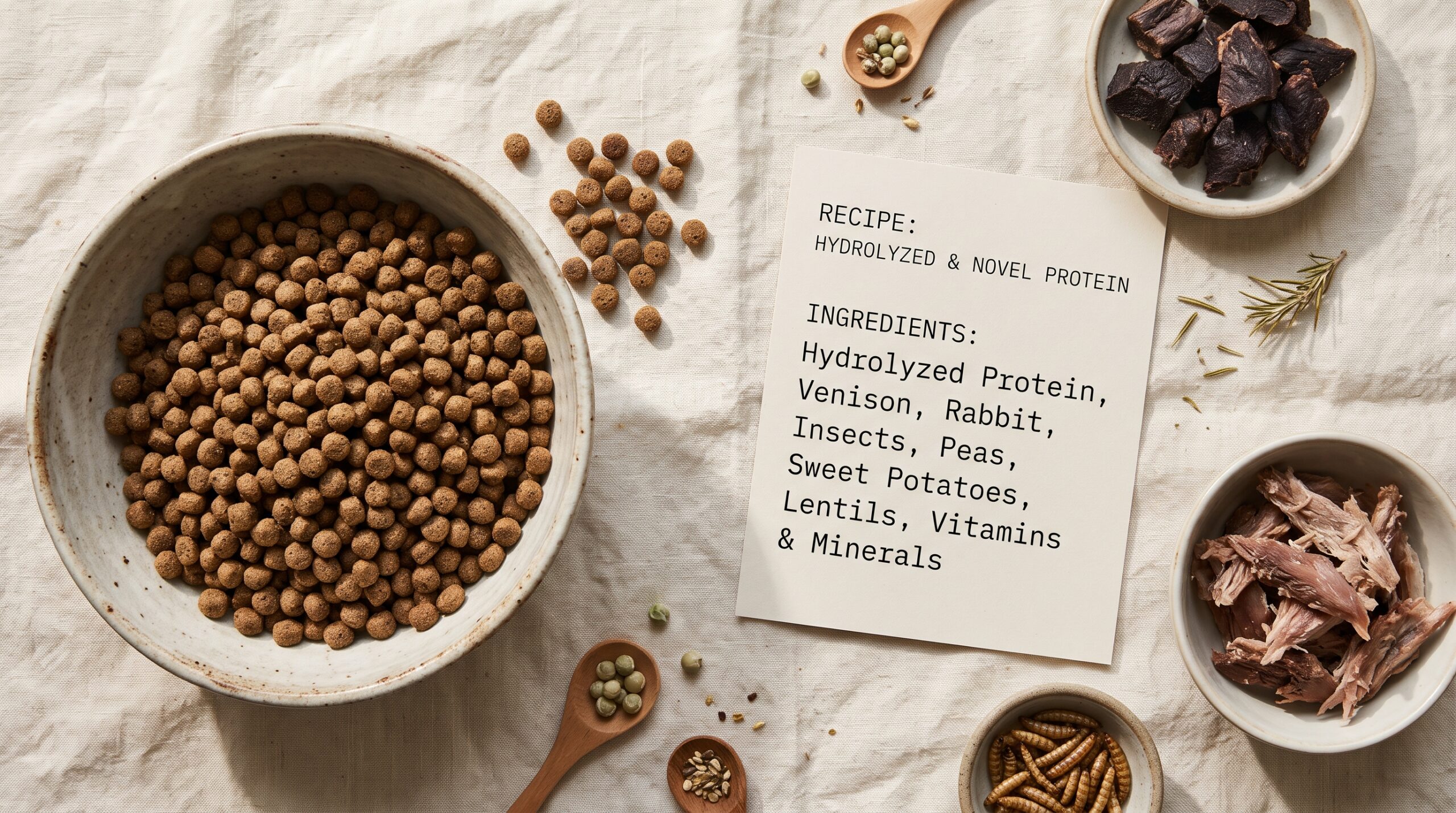
A novel protein is one the dog has never eaten. Venison, duck, kangaroo, and insect-based formulas appear in this category because most dogs in North America and Europe have no immunological memory of them. That lack of exposure means no IgE antibodies exist to bind the protein, so no histamine release follows. The strategy works brilliantly for dog food allergies when the novelty is genuine and fails when it is not. Cross-reactivity is the main risk. A dog allergic to chicken may also react to turkey because the two proteins share structural similarities. Beef and venison show a documented cross-reactivity pattern, and board-certified veterinary dermatologist Julia E. Miller no longer considers venison a novel protein for that reason (dvm360, 2024). Verifying that a novel protein is truly novel requires a full dietary history, which is why the assessment markers in Section 6 ask owners to document every protein the dog has eaten over the past year.
Clinical Verdict: Novel proteins are highly effective for maintenance, provided the dog has no prior exposure and cross-reactivity is ruled out.
3.3 Limited Ingredient Diets (LID)
A limited ingredient diet reduces the number of components in the formula, which lowers the chance of hitting a trigger but does not eliminate it. An LID chicken diet still contains chicken, and a chicken-allergic dog will react exactly as it would to any other chicken formula. The label claim “limited ingredient” is not a regulated term with a standard definition, so the actual ingredient count varies by manufacturer. PCR testing detected undeclared animal DNA in more than 80% of commercial diets labeled as limited protein, single protein, or hypoallergenic (Horvath-Ungerboeck, Widmann, and Handl, Veterinary Dermatology, 2020; summarized by LABOKLIN). Owners must read the full ingredient list, including the fat source and any added flavoring, because chicken fat and chicken liver appear in formulas marketed under other protein names. Natural Balance LID Salmon works as a maintenance tool once the allergen profile is known.
Clinical Verdict: LIDs are useful for avoiding specific triggers but are not diagnostic. They must be chosen based on the known allergen profile of the individual dog.
| Product Image | Product Name | Primary Button / Our Rating |
|---|---|---|
Diagnostic Gold Standard |
| |
Clinical Novel Protein |
| |
Retail Novel Protein |
| |
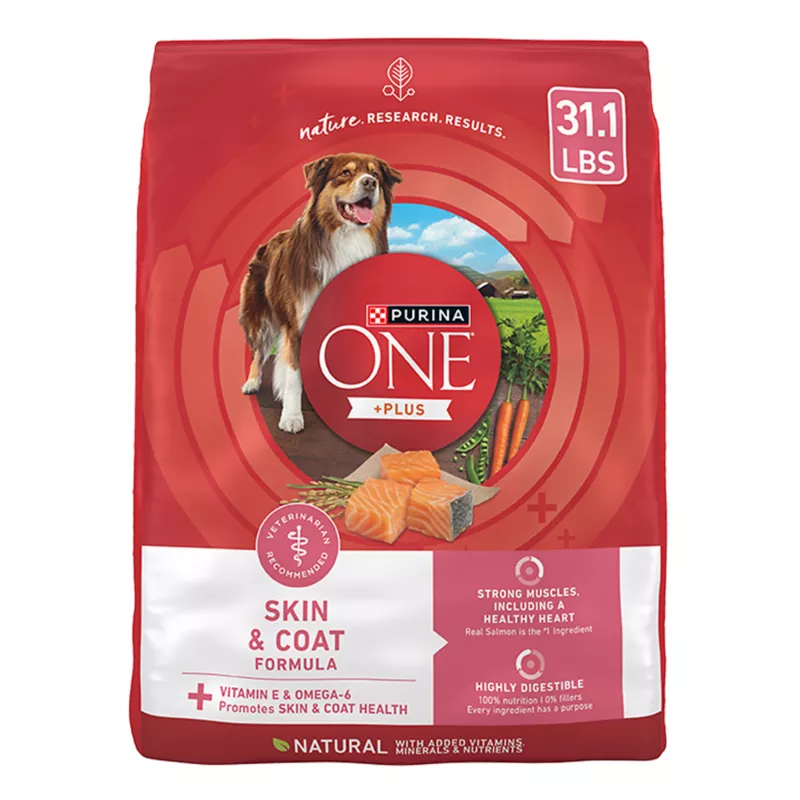
Budget Skin Support |
|
4. The Therapeutic Administration Protocol
Running an eight-week elimination diet for dog food allergies demands absolute discipline, and the majority of trial failures trace back to a single undisclosed treat. The rules are strict for a reason. No table scraps. No flavored medications, including chewable heartworm preventives that carry beef or chicken flavoring. No rawhides unless they match the trial protein. No toothpaste, joint chews, or dental treats. Every item that enters the mouth must be accounted for. The dog should also be kept away from other pets during feeding, since a shared bowl contaminates the trial. After eight weeks of symptom resolution, the veterinarian directs a provocative challenge. Reintroducing the old diet confirms the diagnosis of dog food allergies and rules out coincidence. The full dietary framework is documented in the dog food section.
5. Adverse Events & Contraindications
Never run an elimination diet for dog food allergies without veterinary oversight. Malnutrition is a serious risk when an owner constructs a homemade diet to avoid a suspected allergen. Home-cooked elimination diets formulated without a board-certified veterinary nutritionist routinely fall short on calcium, phosphorus, zinc, and multiple B vitamins, and the deficiencies compound over the eight-week trial. Never cheat during the eight-week window. A single piece of chicken, a flavored pill pocket, or a shared lick of peanut butter can reset the immune response and ruin the trial. The dog remains sensitized for weeks afterward. Never assume a grain-free diet is hypoallergenic, because the documented common allergens are animal proteins and dairy. Never use a hydrolyzed diet for long-term maintenance without veterinary approval. Those formulas are costly and their nutrient profiles are calibrated for therapeutic use rather than a decade of feeding. Never ignore concurrent GI symptoms such as vomiting or diarrhea. Those signs may point to Inflammatory Bowel Disease rather than an adverse food reaction, and the workup differs. Never feed toxic human foods such as xylitol, grapes, onions, or chocolate while trialing a diet, because those toxins compound symptoms and confuse the clinical picture of dog food allergies. Never substitute human probiotic products for veterinary probiotics during the trial. Human strains are selected for the human gut and doses can trigger severe gastrointestinal distress in a dog already managing an immune challenge. Never start a trial while the dog is on antibiotics or corticosteroids without veterinary coordination, because both classes of drugs alter immune response and mask clinical signs. The AVMA literature on adverse food reactions and diagnostic standards informs this guidance, and the primary source at JAVMA should be reviewed before altering any trial protocol for a dog with concurrent disease.
6. Pre-Diet Assessment Markers
Five markers establish a baseline for dog food allergies before the elimination diet begins. Without them, improvement cannot be measured objectively.
- Stool Quality: Evaluate using the Bristol Stool Scale, where a score of 3 or 4 indicates optimal hydration and form. Photograph the stool daily for objective comparison through the trial.
- Body Condition Score (BCS): Check for muscle wasting along the spine and ribs, which signals malabsorption rather than simple weight loss and complicates the diagnostic picture for dog food allergies.
- Gastric Distension: Monitor for bloating or discomfort one to two hours post-prandial, after eating, since timing separates gastric from intestinal signs.
- Cutaneous Manifestations: Score pruritus daily on a 1 to 10 scale and check the paws, axillae, and groin for erythema. Photograph affected areas weekly and note any secondary yeast or bacterial infections.
- Antibiotic History: Review recent medical history, because antibiotics indiscriminately destroy commensal bacteria and alter the immune baseline against which dog food allergies are being assessed.
Never self-diagnose dog food allergies. Always consult a board-certified veterinary dermatologist or nutritionist before starting an elimination diet. The practical care guides cover the owner-side logistics of a structured trial.
6.1 Sensory Check: Palatability and Feeding Response
The dog’s willingness to eat signals whether the elimination diet for dog food allergies is palatable enough to dose reliably for eight straight weeks. Watch for acceptance at the bowl, rate of consumption, and any sign of refusal, lip curling, or turning away. A hydrolyzed or novel protein diet that requires force-feeding fails clinically because adherence collapses within days. Smell the food before serving. A sour or yeasty note in a fresh product is normal, while a rancid or sharply acidic smell signals a degraded batch. Observe stool within 24 to 48 hours of a new diet and log texture, color, frequency, and any blood or mucus present. Record ear and skin changes weekly. These are owner-side observations, not diagnostic criteria, but they surface problems faster than a follow-up appointment.
The Provocative Challenge
The provocative challenge is the final step of the elimination diet, and it converts a clinical improvement into a confirmed diagnosis of dog food allergies. After eight weeks of symptom resolution on the trial diet, the veterinarian reintroduces the original food. If itching returns within 24 to 72 hours, dog food allergies are confirmed. If no reaction occurs, the original food was not the trigger, and the workup moves toward environmental allergies or another cause. The challenge is not optional. Without it, owners conclude they have fixed a problem they never actually diagnosed, and they feed a costly prescription diet for years without clinical justification.
Timing matters during the challenge. Reintroduce the old food in a controlled setting where the owner can observe the dog closely for the first 72 hours. Keep a written log of pruritus scores, stool quality, and any ear or skin changes. Photograph lesions before and after. If symptoms return, the trial diet resumes immediately and becomes the maintenance plan or the basis for selecting a novel protein. The PetMD nutrition reference covers the dietary side of that decision, and the AKC nutrition library provides owner-facing context on feeding behavior during the trial.
7. Clinical References & Nutritional Disclaimer
According to the veterinary immunology literature on canine adverse food reactions, IgE-mediated dog food allergies target specific dietary proteins, most commonly beef, dairy products, chicken, and wheat (Mueller, Olivry, and Prélaud, BMC Veterinary Research, 2016). The eight-week elimination diet with an extensively hydrolyzed protein formula remains the diagnostic standard, and the provocative challenge after symptom resolution is required to confirm the diagnosis.
This is for educational purposes. Nutritional interventions should be tailored by a board-certified veterinary nutritionist.
Read more about the institutional research standards behind this protocol and the editorial leadership that reviews every clinical claim.
Related Cluster
Dog food allergies connect to every other system a dog owner manages. The breed-specific care protocols explain why certain lines carry higher rates of atopic dermatitis, the dog nutrition section covers protein selection and elimination diet mechanics for dog food allergies, and the health conditions archive documents how adverse food reactions overlap with environmental allergies and inflammatory bowel disease.
8. Frequently Asked Questions
Written by: PGA Nutrition & Dietetics Desk
Reviewed by: PGA Editorial Board (Zaheer Aujla, Head of Board)
Research sources: PetMD, AKC, CFA, WSAVA, AAFCO, veterinary journals
Last updated: 2026-01-15
As an Amazon Associate I earn from qualifying purchases. This article is editorially independent. Not a substitute for veterinary diagnosis.
What are the most common food allergens for dogs?
A systematic review of the best available evidence identified beef, dairy products, chicken, and wheat as the most likely food allergens in dogs (Mueller, Olivry, and Prélaud, BMC Veterinary Research, 2016). The pattern tracks exposure, so a dog fed chicken kibble for years is more likely to become sensitized to chicken protein than to a protein it has never eaten.
How long does an elimination diet take to work?
The standard trial runs eight weeks, a window shown to identify over 90% of food-allergic patients (MSPCA Partners in Care, Winter 2021). Some dermatologists extend the trial to twelve weeks when the response is partial. Stop and consult a veterinarian if the dog shows no improvement at all by week six.
Can my dog suddenly develop a food allergy?
Yes, and it is common. Dogs develop IgE-mediated food allergies after prolonged exposure to a protein, so a dog that ate chicken without issue for six years can become sensitized at year seven. The immune system changes with age, and a sudden onset of itching or ear infections in a middle-aged dog warrants an elimination diet trial for dog food allergies.
Is grain-free food better for dogs with allergies?
Not for food allergies. The documented common allergens are animal proteins and dairy, so removing corn or wheat while keeping chicken and beef removes nothing the immune system recognizes. Grain-free formulas help only if the specific dog is allergic to a grain, which is far less common than protein sensitivity.
Can I give my dog treats during an elimination diet?
Only treats made from the same protein as the trial diet, and only if the veterinarian approves them. A single piece of chicken or a flavored pill pocket can reset the immune response and ruin the eight-week window for diagnosing dog food allergies. Use the trial kibble as a training reward, and hide oral medications in the trial food rather than a flavored chew.


The PGA Clinical Desk analyzes AAFCO nutritional guidelines, veterinary dermatological baselines, and genetic sensitivities (MDR1). We translate dense institutional data from the AVMA and NAVC into actionable at-home care protocols. We do not provide veterinary diagnoses.