Written by: PGA Hardware & Equipment Desk
Reviewed by: PGA Editorial Board (Zaheer Aujla, Head of Board)
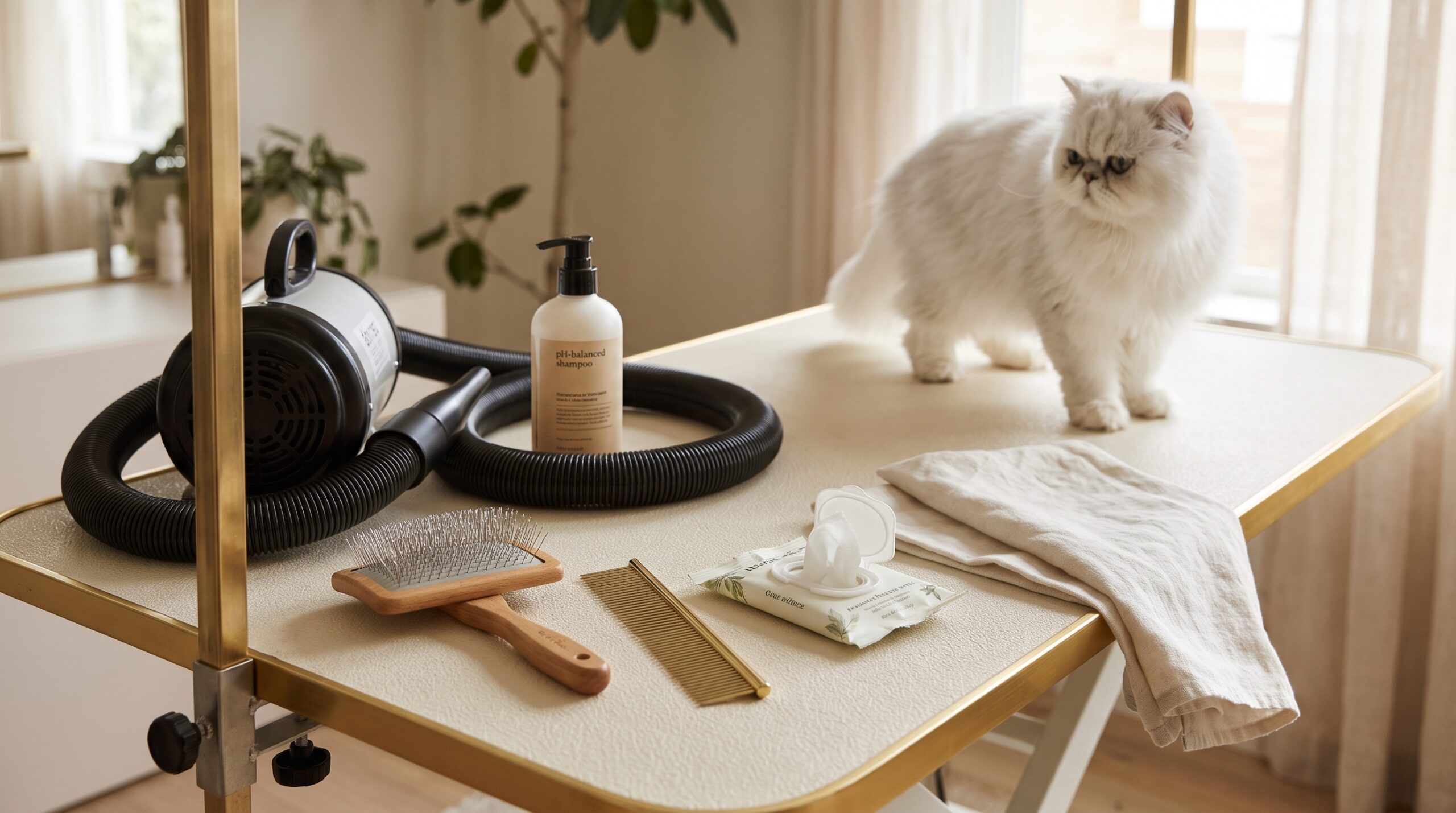
A Persian cat grooming protocol has to account for the most high-maintenance feline breed in the world. The Persian carries a double coat of extreme length and density, combined with a brachycephalic skull that alters tear drainage and breathing mechanics. That combination has a twofold biological consequence. The dense coat felts rapidly if it is not line-brushed daily, and the flat face causes chronic eye weeping that leads to porphyrin tear stains and bacterial infections. A Persian cannot self-maintain this coat. It relies entirely on the owner. This Persian cat grooming protocol dissects the biology of the Persian coat and facial structure and selects the tools required to prevent matting without causing skin trauma. It also outlines the daily clinical maintenance routine required to keep a Persian healthy through every season.
Section 1: AIO Direct Answer & Quick Match
A Persian cat grooming protocol pairs a long-pin slicker with fragrance-free eye wipes, a pH-balanced shampoo that preserves the silk, a high-velocity dryer, a quiet nail grinder for the small curved claws, and a low-noise vacuum for the daily dander load. The system treats mat prevention and eye hygiene as two separate daily obligations, because the coat and the brachycephalic face fail on different timelines. Owners who build a Persian cat grooming protocol around line brushing and eye wiping report fewer mats and a cat that tolerates handling instead of hiding under the bed, with fewer tear stains along the way. This Persian cat grooming protocol treats the long coat as a structural asset that has to be separated at the skin rather than smoothed on the surface. The three quick match routes below send you to the right first purchase based on what your Persian is showing today.
If your Persian’s coat is matting at the skin:
Chris Christensen Big G Slicker Brush
(affiliate link)
If you need to clean tear stains and daily eye discharge:
(affiliate link)
If you need to dry the coat without causing frizz:
(affiliate link)
Section 2: The Institutional Moat
Veterinary ophthalmology and feline dermatology both treat the Persian as a breed with two independent problem areas on a single body. The coat is a double coat with a long silky topcoat over a dense cotton-like undercoat, and the skull is brachycephalic in a way that compresses the nasolacrimal ducts. A Persian cat grooming protocol that ignores either side of that structure treats half the cat. The coat felts at the skin while the eyes weep onto the fur, and the two problems compound into a matted, stained coat that hides a low-grade infection underneath.
The AKC grooming resources and veterinary dermatology standards both note that the Persian coat traps dead hair against the skin and that the trapped hair holds moisture from the chronic tearing. That moisture feeds the yeast and bacteria that produce the reddish porphyrin stains and, eventually, periocular dermatitis. A Persian cat grooming protocol has to break that chain on both ends. The brush has to reach the felted layer at the skin, and the wipe has to clear the discharge before it soaks into the fur. The cat grooming guide covers the broader feline maintenance cadence.
The Persian breed guide covers the coat density and face shape variations across the color divisions. The Persian cat grooming protocol in this article assumes the standard Persian structure, and it treats daily line brushing and daily eye wiping as non-negotiable rather than optional. Owners who run that daily routine rarely face a mat that needs more than a slicker, and they rarely face a tear stain that has already set into the fur.
Section 3: Bio-Mechanical Breakdown
Each tool category in a Persian cat grooming protocol is judged on how it touches the skin under the long coat, not on how it handles the surface. The slicker reaches the felted layer that a surface pass never touches, and a fragrance-free eye wipe clears the discharge that the flat face cannot drain on its own. Every choice below follows from those mechanical realities.
3.1 Brushes (The Line Brushing Tools)
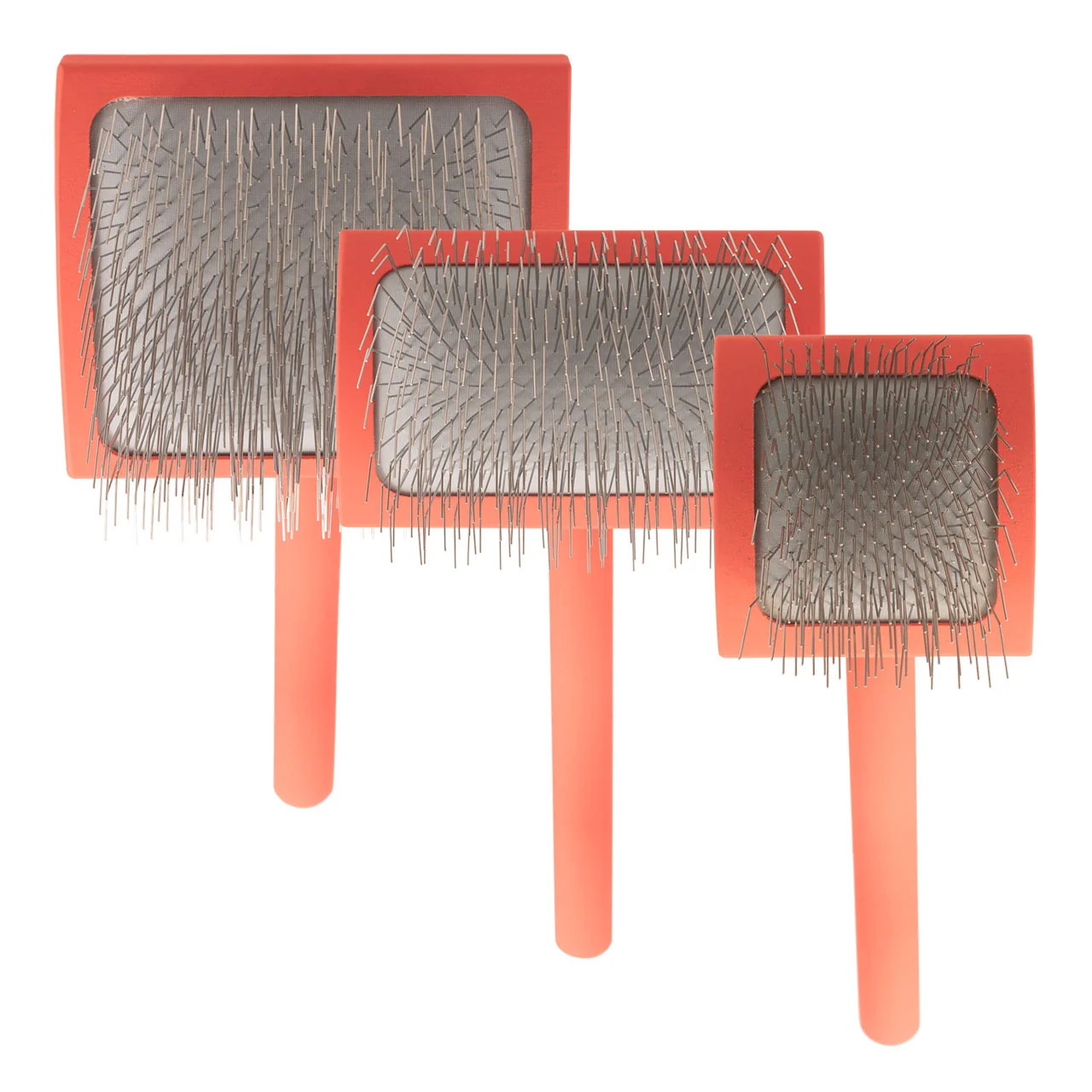
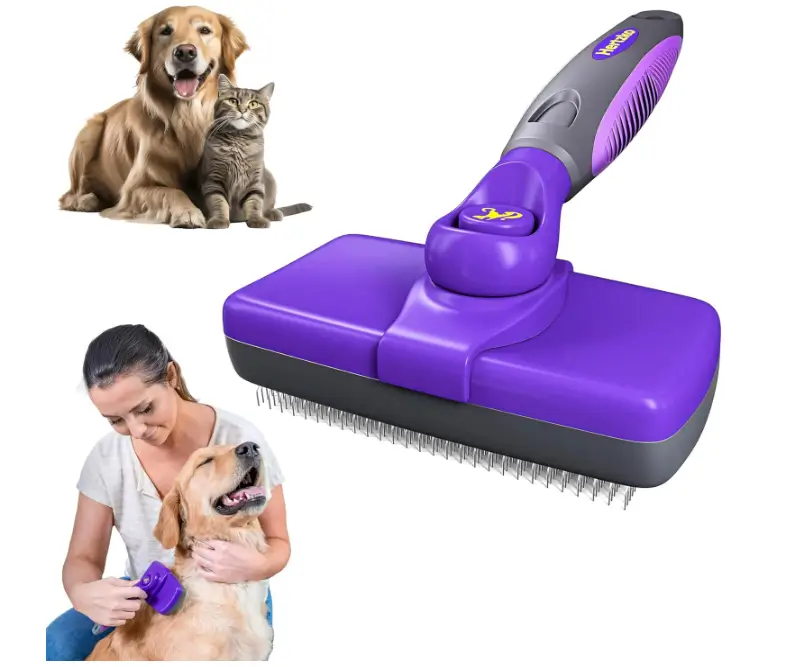
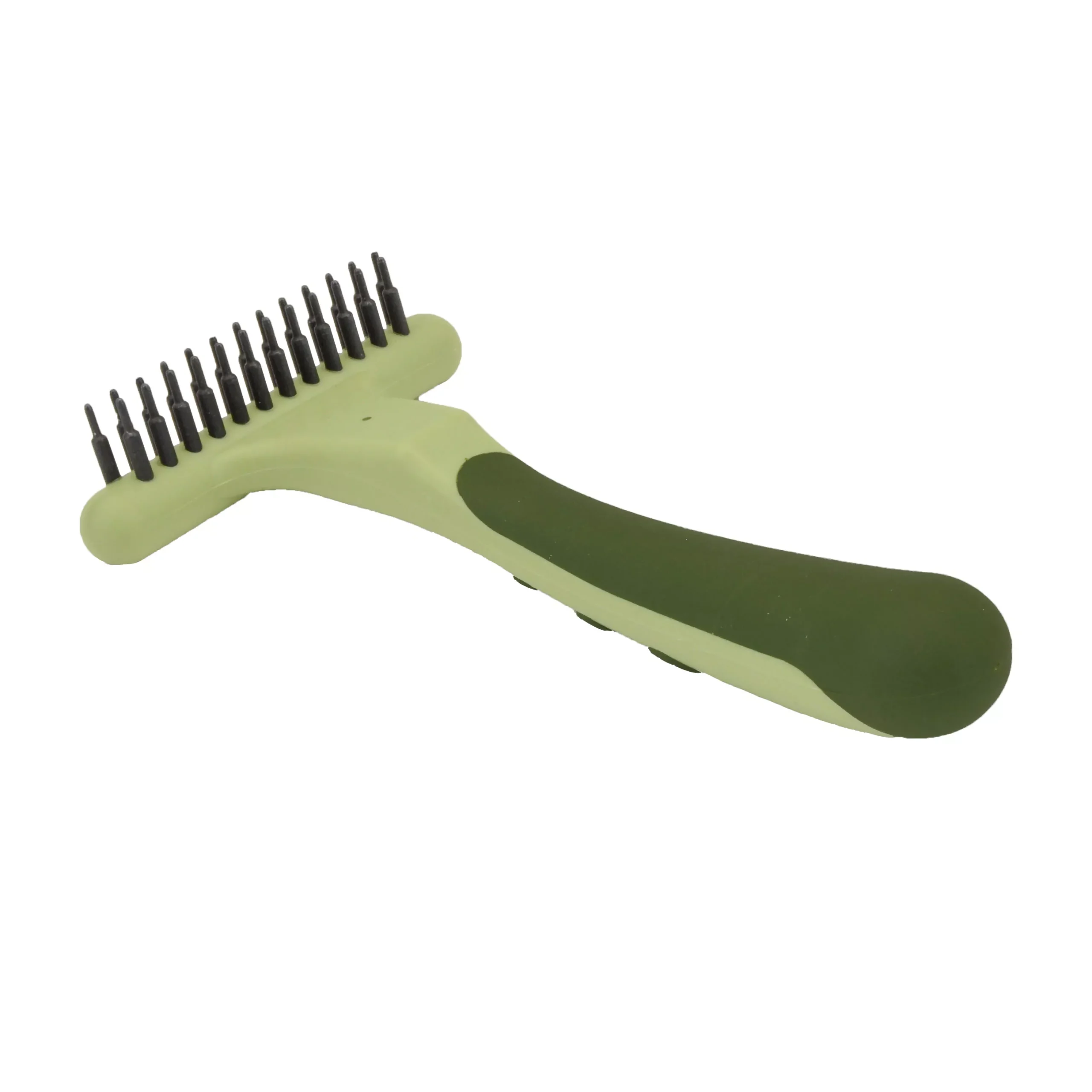
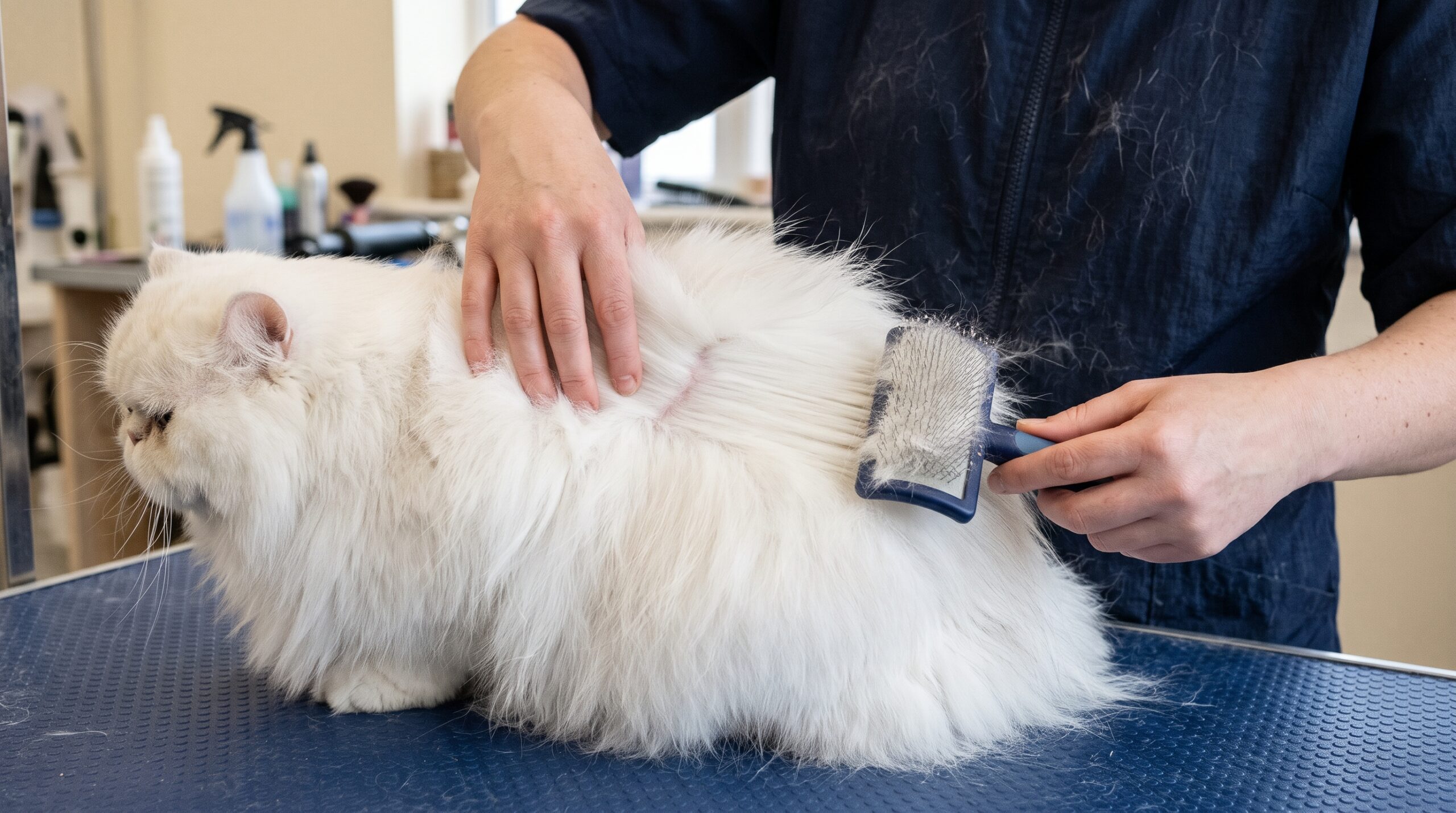
The Chris Christensen Big G is mandatory inside any working Persian cat grooming protocol because its long flexible pins reach through the dense topcoat to the undercoat without scratching the skin. A standard brush with short rigid pins only skims the surface of the coat, and the mat that builds underneath goes unnoticed until the fur is already a solid plate against the body. A comb belongs in the kit to verify the work, because a comb tells you whether the slicker actually separated the undercoat at the base or just smoothed the top. A rake is the wrong tool here. Rake tines are designed for the dense undercoat of a double-coated dog, and on the Persian’s cottony undercoat they rip live hair out at the root and leave brush burn behind. Every decision about brushes in a Persian cat grooming protocol comes down to pin flexibility and pin length, and the wrong tool in either dimension turns a routine brush session into a coat-damaging one.
Clinical Verdict: Chris Christensen Big G for daily line brushing. Hertzko for light maintenance. Safari Undercoat Rake is strictly forbidden on a Persian coat.
| Product Image | Product Name | Verified Spec | Primary Button / Our Rating |
|---|---|---|---|
Pro Tier: Zero Abrasion |
|
| |
Mid Tier: Easy Clean |
|
| |
Budget Tier: Deshedding |
|
|
(affiliate link)
3.2 Eye Care (Brachycephalic Maintenance)
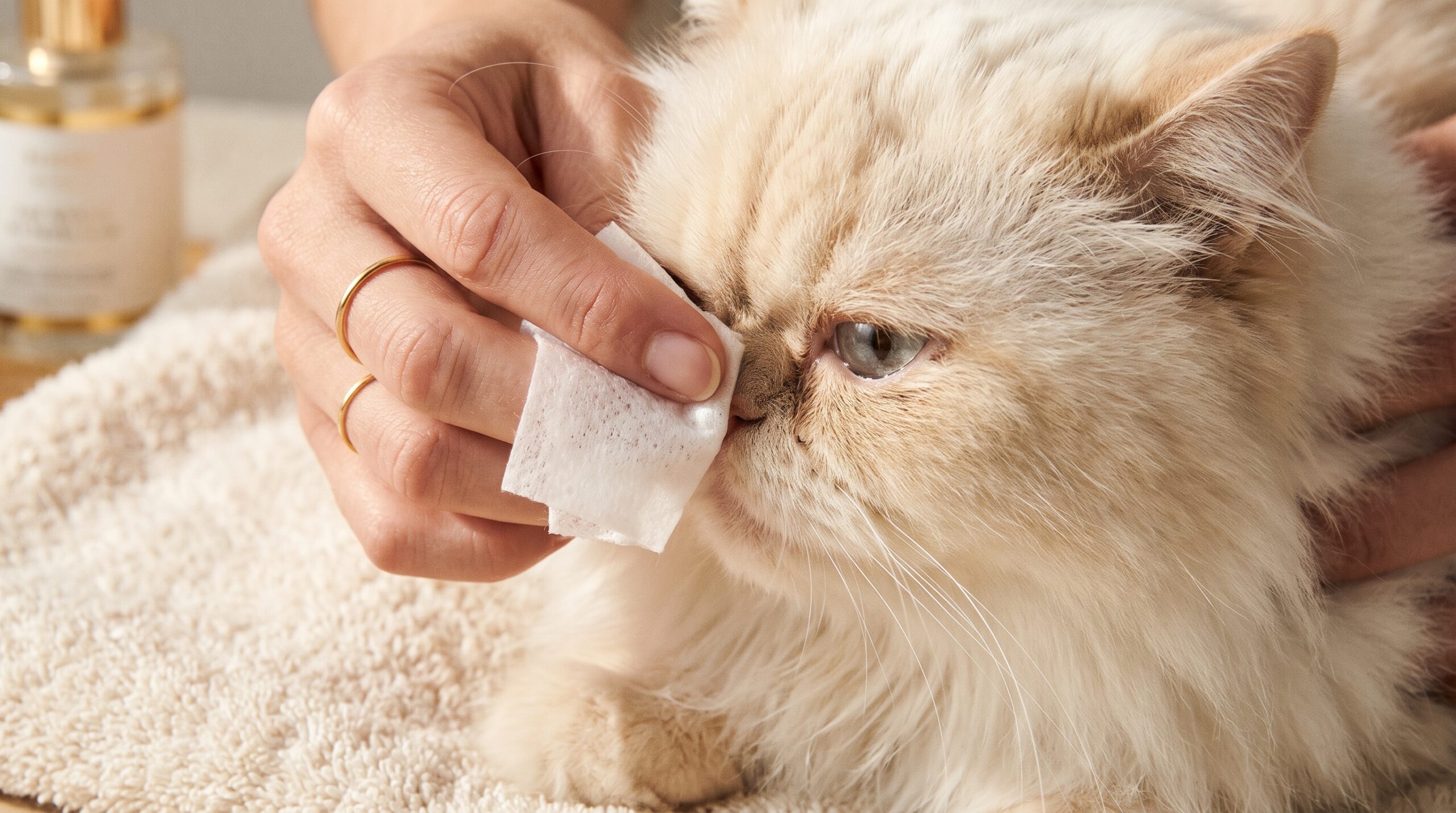
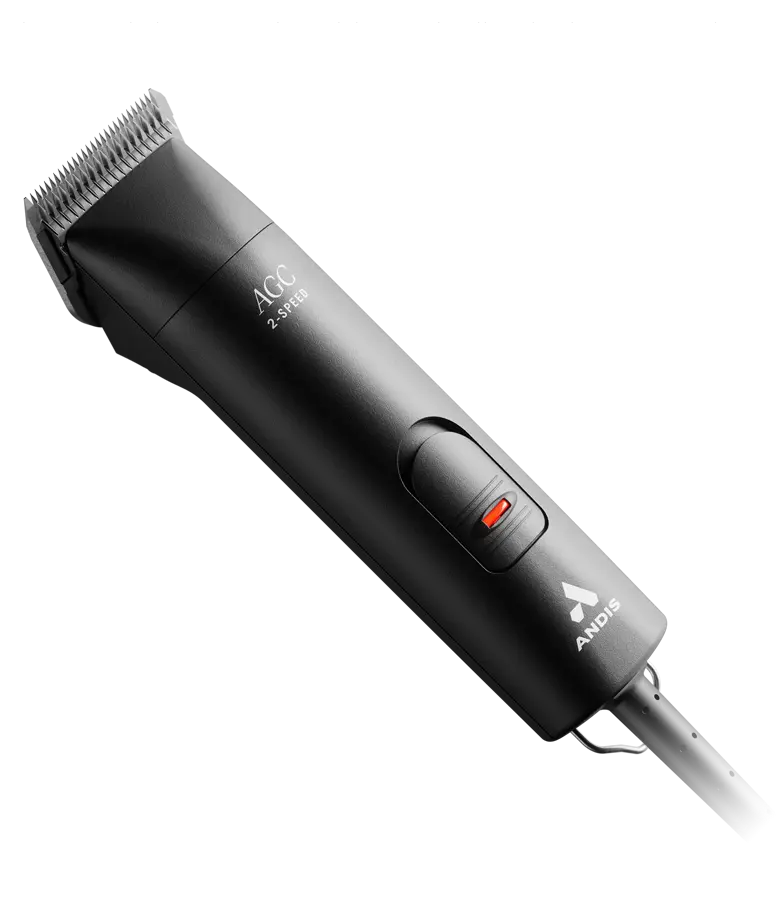
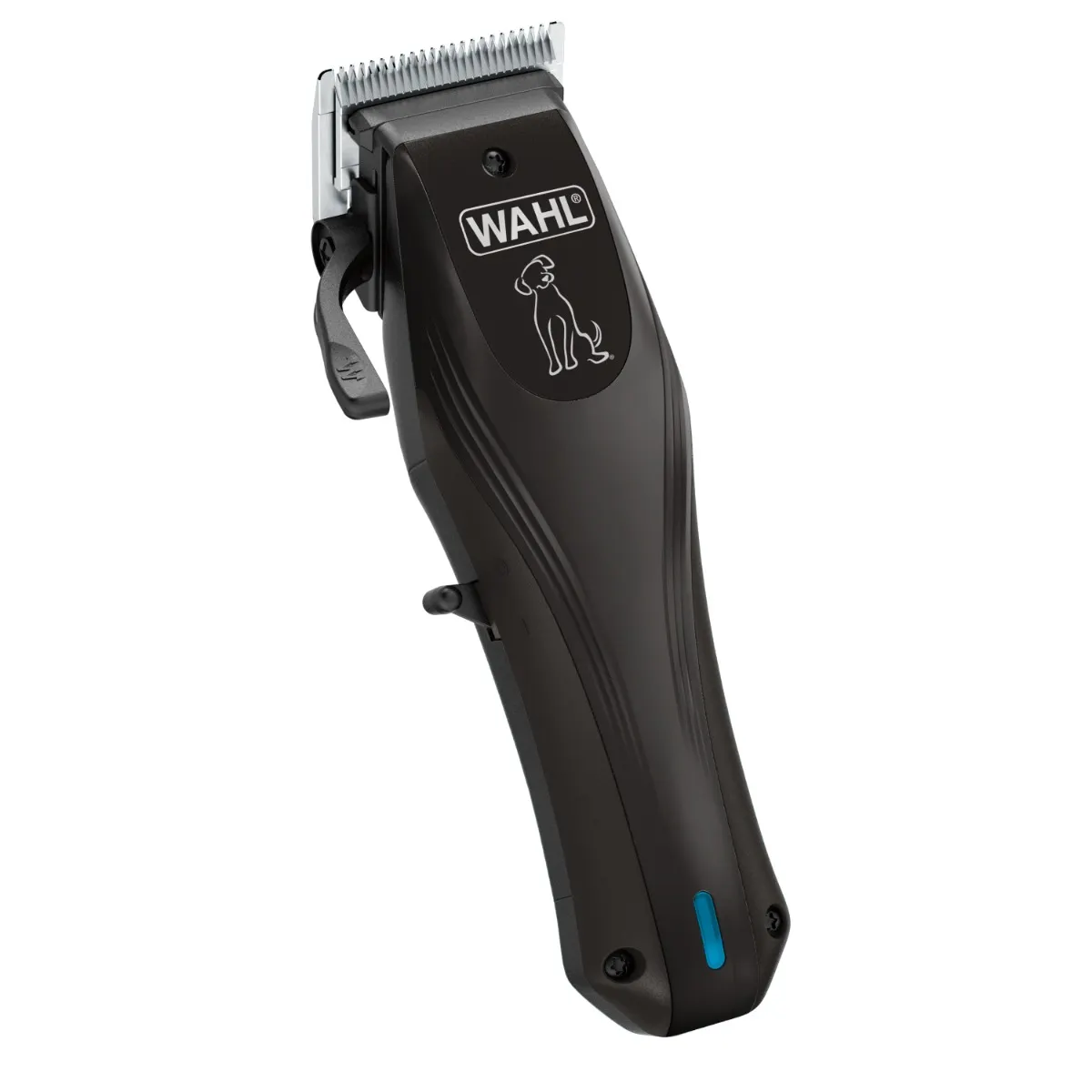
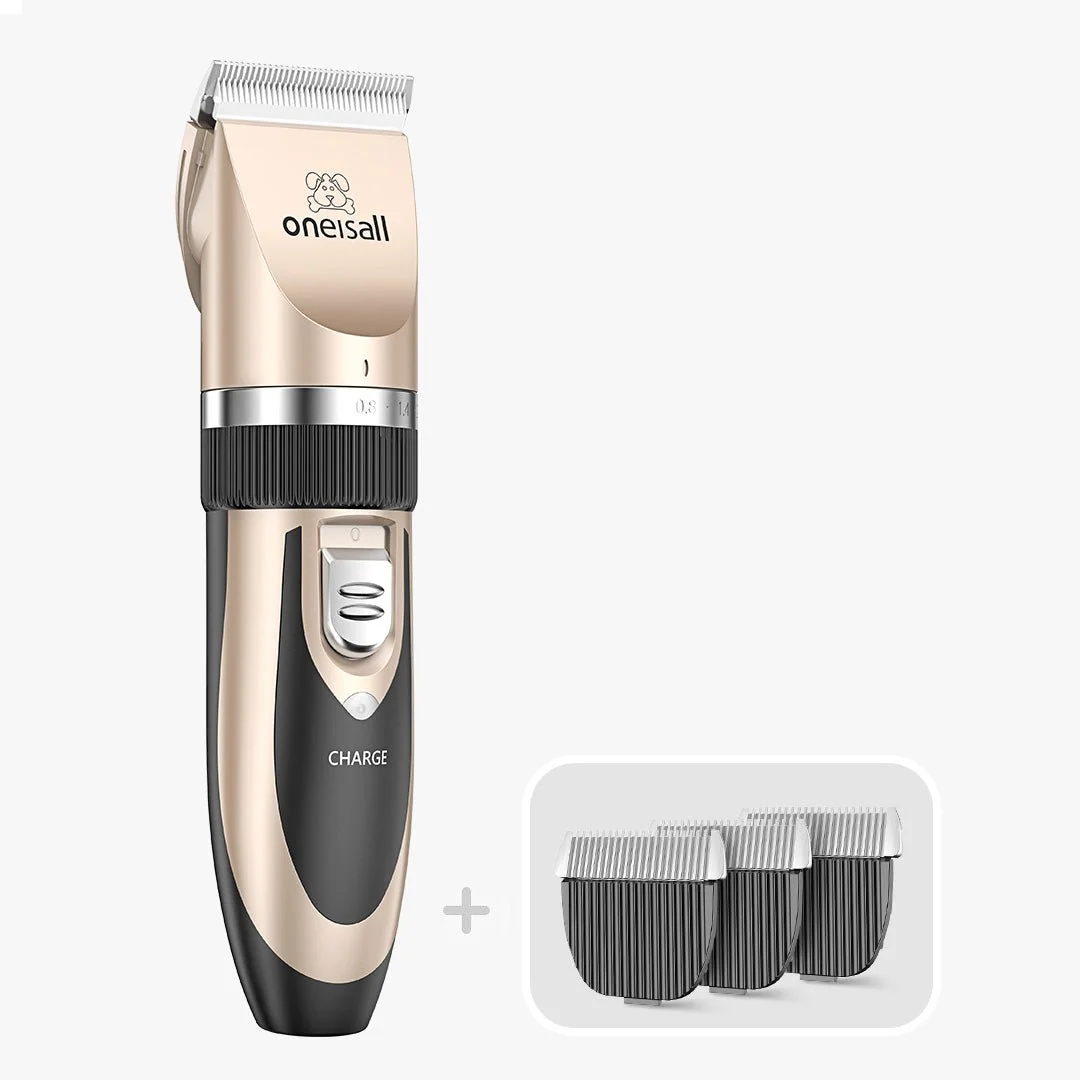
The flat face of the Persian alters tear drainage in a way that spills tears onto the fur at the inner corner of each eye, and inside a Persian cat grooming protocol that moisture is the direct cause of the porphyrin stains most owners see on the coat. Daily wiping with a fragrance-free, gentle wipe clears the discharge before it oxidizes and before the trapped moisture feeds the yeast that turns a cosmetic stain into a dermatitis problem. The wipe has to be gentle enough to use on the eyelid margin, and it has to be fragrance-free because the scent compounds that make a wipe pleasant to humans sting the feline eye. Direction matters as much as the product. The wipe moves from the inside corner outward, away from the tear duct, so bacteria do not get pushed back into the drainage system. Every tier below is judged by how softly the wipe travels across the eyelid, because a harsh wipe inside a Persian cat grooming protocol creates a new irritation on every pass.
Clinical Verdict: Earth Rated Wipes for daily, fragrance-free cleaning. Vet-approved eye wipes for stubborn stains. Do not use human baby wipes.
| Product Image | Product Name | Verified Spec | Primary Button / Our Rating |
|---|---|---|---|
Pro Tier: Salon Standard |
|
| |
Mid Tier: Cordless Heavy Duty |
|
| |
Budget Tier: Quiet & Light |
|
|
(affiliate link)
3.3 Shampoos (Coat & Barrier)
Persian coats need moisture to prevent brittleness, and inside a Persian cat grooming protocol the shampoo has to add that moisture without weighing the silk down. Heavy conditioners are the other failure mode. They coat the hair shaft in a way that attracts environmental dirt, and the tacky surface that results is what starts a friction mat at the armpit or the collar line. A pH-balanced, soap-free formula cleans without stripping and leaves the cuticle flat enough to reflect light while keeping the coat draping the way the breed standard calls for. Active ingredients still matter when the skin is compromised. Chlorhexidine and climbazole target infections under the coat, and oatmeal soothes irritation without coating the hair shaft. Every tier below is judged by how cleanly it rinses and by whether it leaves the coat light enough to drape, because a Persian cat grooming protocol that leaves the coat heavy has failed at the cosmetic outcome that matters most.
Clinical Verdict: Douxo S3 PYO for skin issues. Veterinary Formula for general maintenance. Burt’s Bees Oatmeal for gentle, moisturizing cleaning.
| Product Image | Product Name | Verified Spec | Primary Button / Our Rating |
|---|---|---|---|
Pro Tier: Prescription-Strength Antiseptic |
|
| |
Mid Tier: OTC Medicated |
|
| |
Budget Tier: Barrier-Safe Maintenance |
|
|
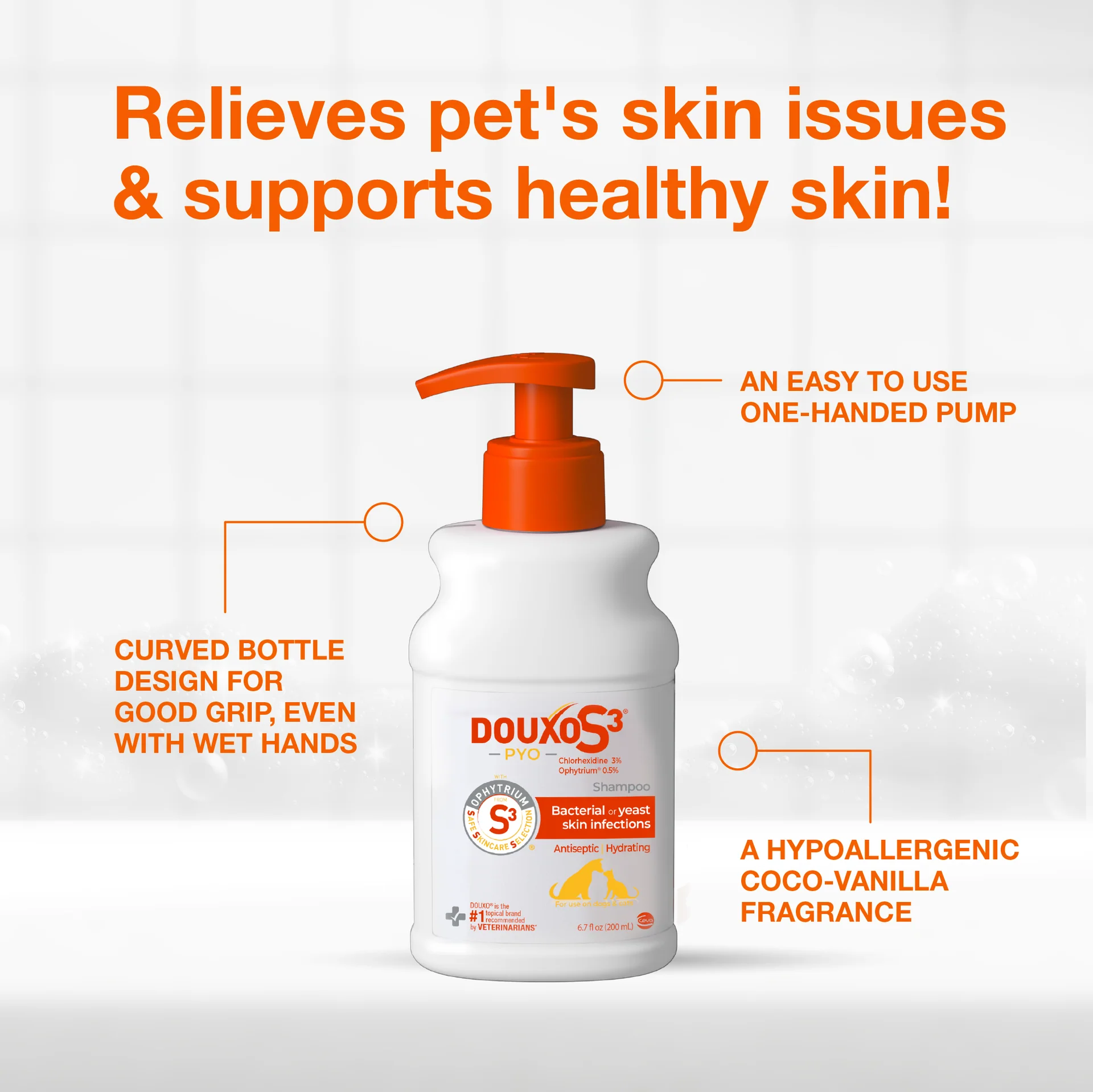
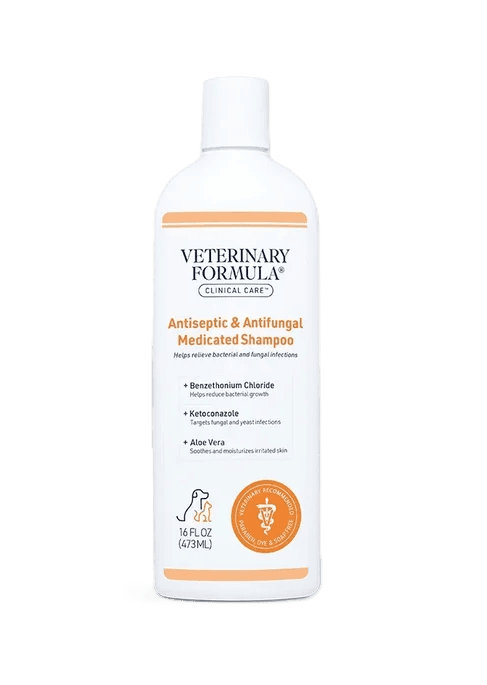
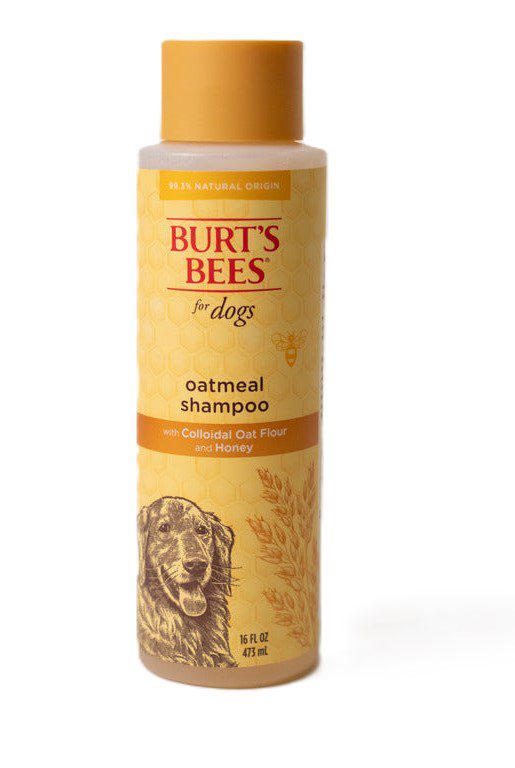
(affiliate link)
3.4 Dryers (High-Velocity Drying)
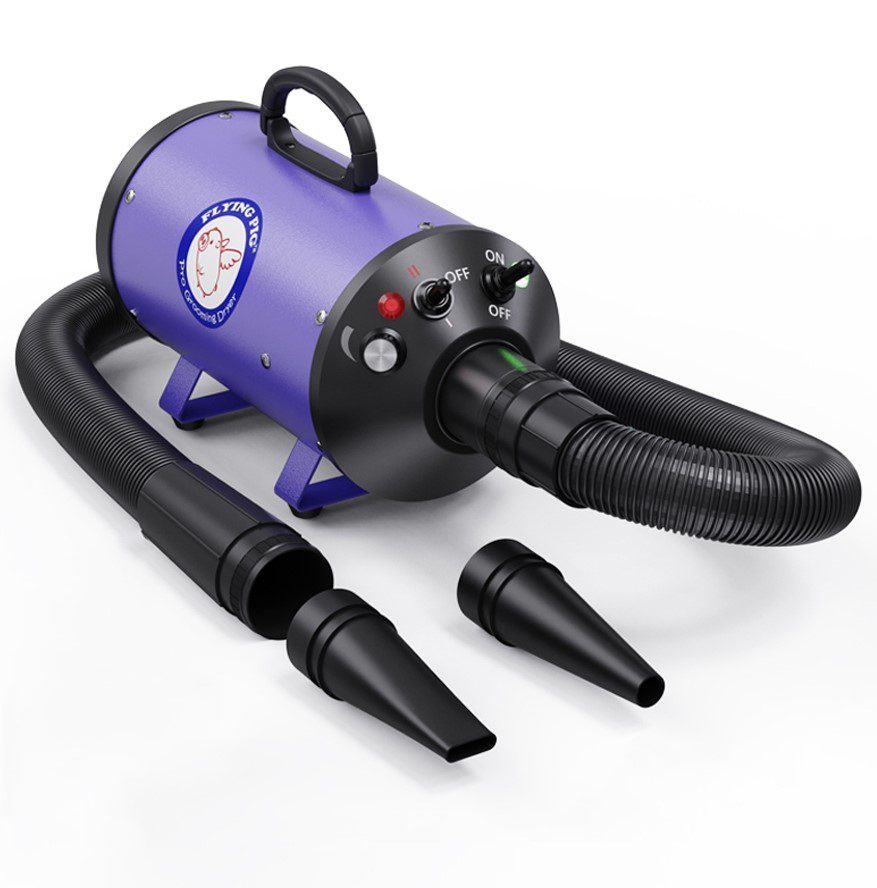
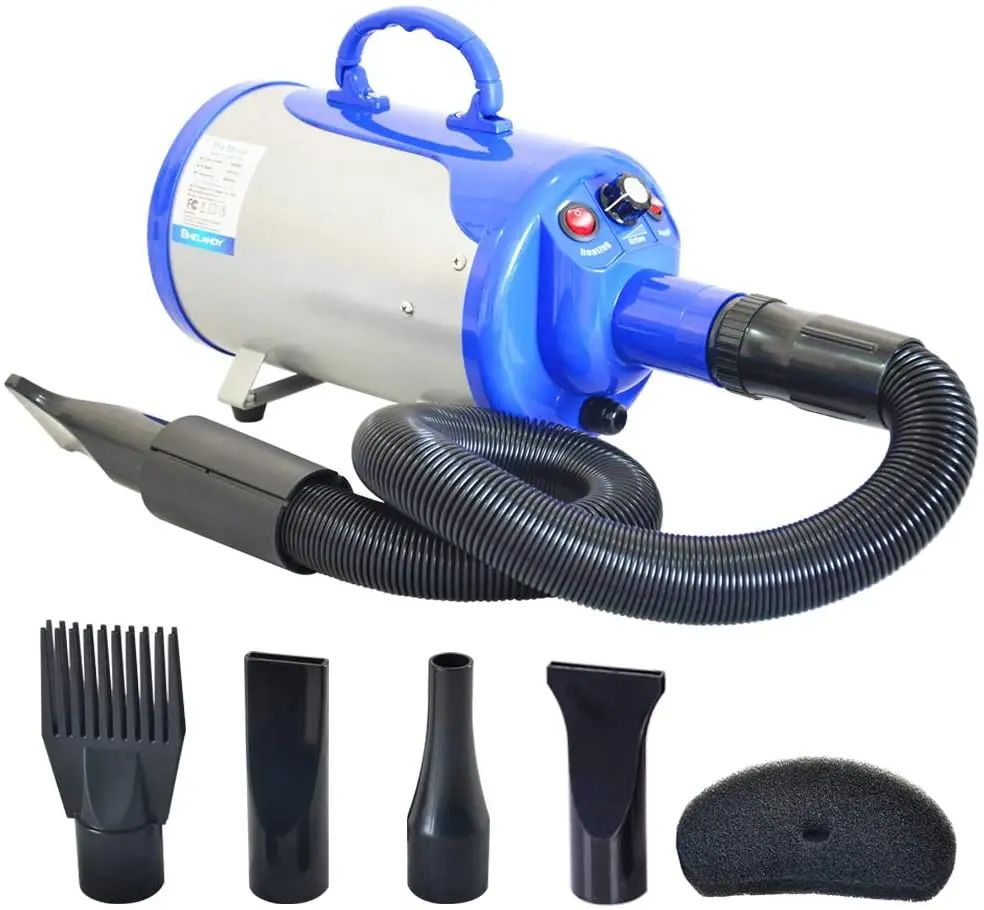
Drying a Persian is critical inside a Persian cat grooming protocol, because a dense coat that dries naturally felts against the skin within hours. High-velocity air separates the individual hair strands and dries the undercoat without raising skin temperature on a coat that holds water longer than a short-haired cat’s would. Heat is the danger here. The silk topcoat on a Persian frizzes permanently under heat that a heavier coat would tolerate, and the frizz turns every subsequent brushing session into a fight. Ambient-temperature velocity does the job without ever raising the hair shaft into the range that causes that frizz. Every tier below is judged by airflow and by heat control together, because a dryer that dries the coat hot and fast is a dryer that destroys the asset the whole protocol is built to protect.
Clinical Verdict: Metro Air Force Commander for full-coat drying at ambient temperature. Flying Pig for medium coats. SHELANDY for faces and paws only.
| Product Image | Product Name | Verified Spec | Primary Button / Our Rating |
|---|---|---|---|
Pro Tier: Lifetime Warranty |
|
| |
Mid Tier: Steel Shell Power |
|
| |
Budget Tier: High CFM Value |
|
|
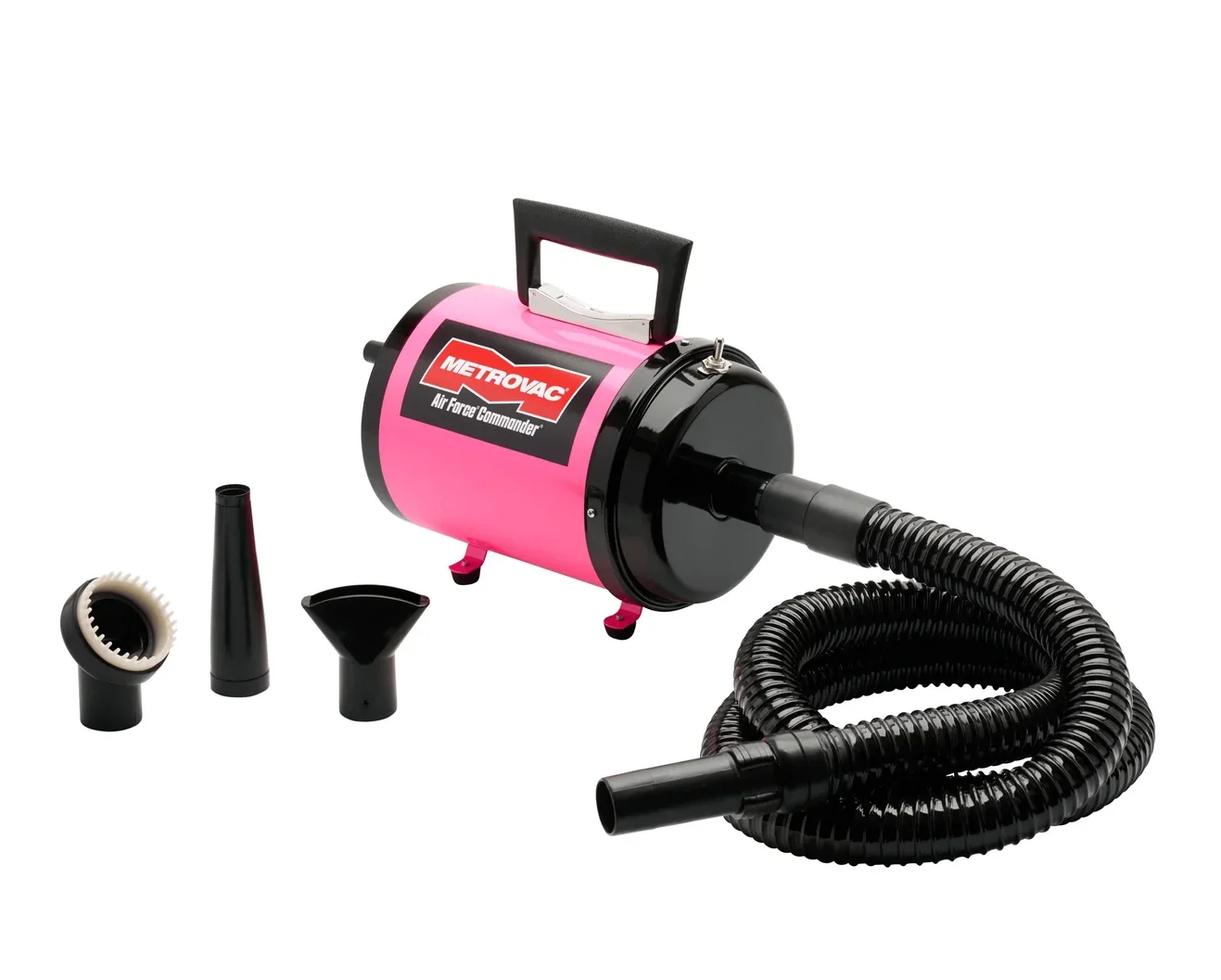
(affiliate link)
3.5 Nails (Precision Grinding)
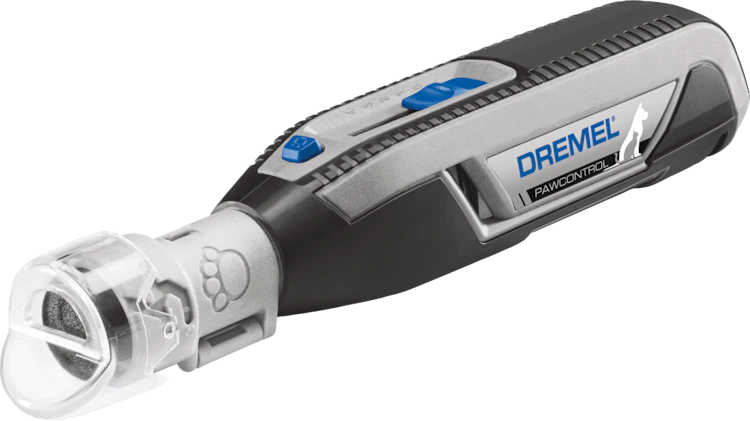
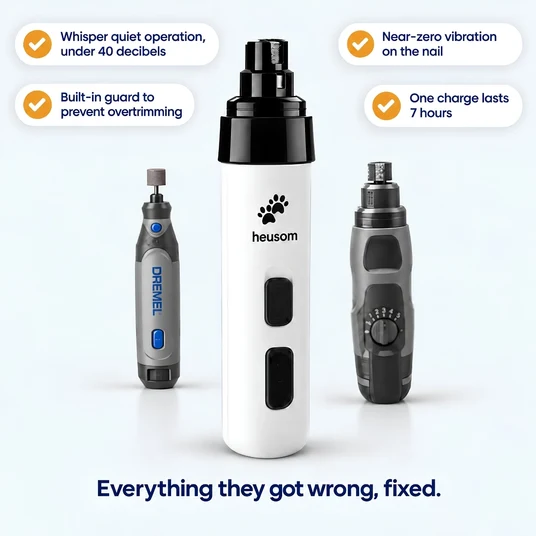
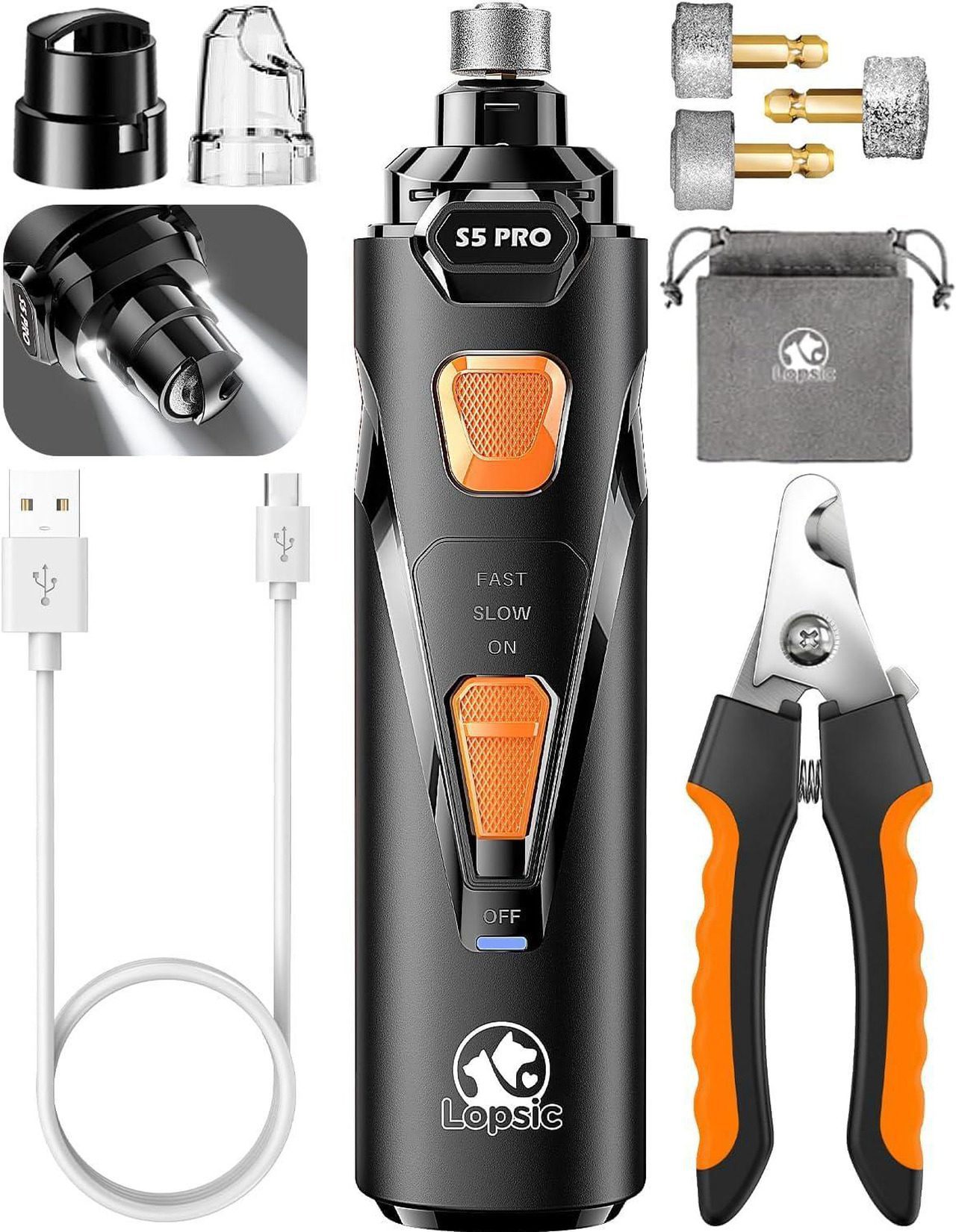
Persians carry small curved nails that a guillotine clipper can crush before the blade ever cuts, and a crushed nail sends a pain signal through the quick that teaches the cat to fight paw handling for life. Inside a Persian cat grooming protocol the grinder is the safer tool because it sands the nail in small increments and reaches the precision a clipper cannot on a curved surface. The motor must be quiet enough not to spook a cat that is already sensitive to mechanical sound, and the guard must be tight enough to prevent over-grinding past the quick on a nail that hides its quick against dark pigment. Every tier below is judged by grind precision and by low-noise behavior together, because the nail grinder is the tool that quietly keeps the handling positive between the long grooming sessions the coat requires.
Clinical Verdict: Dremel PawControl for safety. LOPSIC for noise-sensitive cats. Heusom only for light nails.
| Product Image | Product Name | Verified Spec | Primary Button / Our Rating |
|---|---|---|---|
Pro Tier: High-Output Precision |
|
| |
Mid Tier: Ultra-Low-Noise Entry |
|
| |
Budget Tier: Whisper-Quiet Desensitization |
|
|
(affiliate link)
3.6 Vacuums (Dander & Hair Capture)
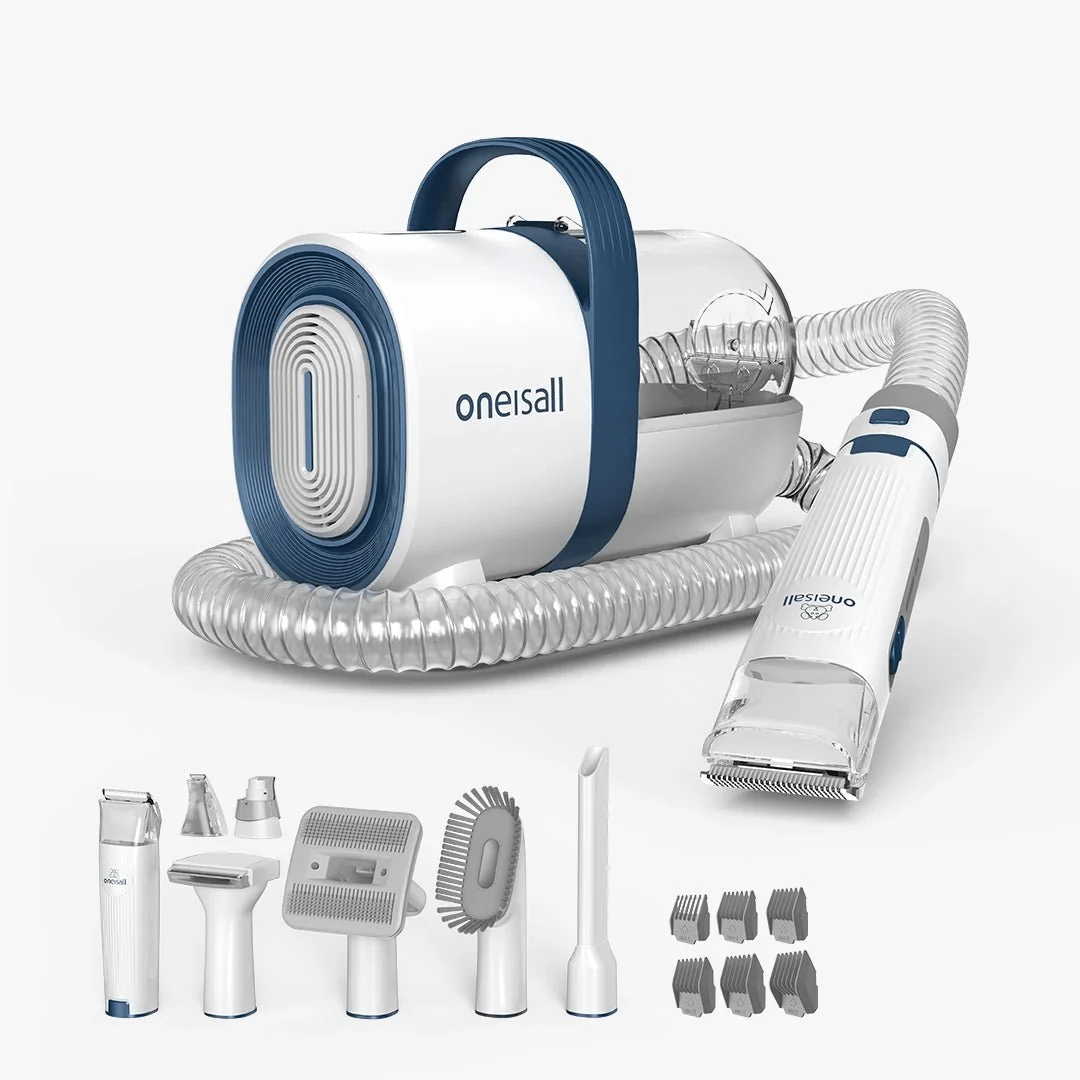
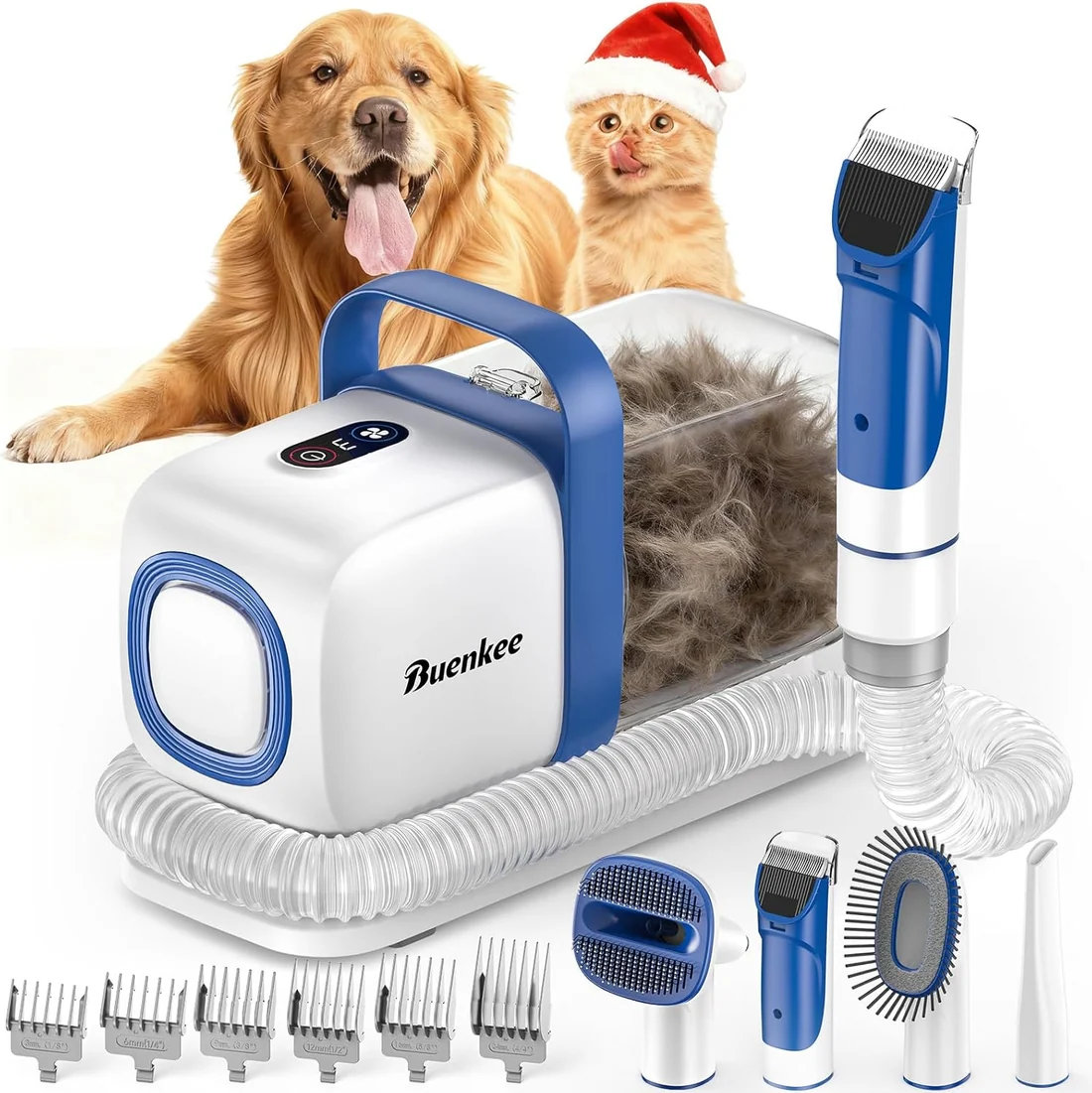
A grooming vacuum earns a place in the Persian cat grooming protocol even though the breed does not shed the way a short-haired cat does, because the vacuum is a dander capture tool rather than a deshedding tool. Dead hair stays in the dense coat rather than dropping to the floor, and that trapped hair combines with sebum to create a tacky surface that starts a friction mat at the armpit or behind the ear. A low-noise vacuum with a soft rubber brush head lifts the dander and loose hair without pulling the coat sideways. Noise is the second variable. Cats are generally more sound-sensitive than dogs, and a vacuum that spikes cortisol ends the session before the coat is clean. Every tier below is judged by head softness and by how quietly the motor runs, because a Persian cat grooming protocol built on a loud vacuum is a protocol the cat will not tolerate.
Clinical Verdict: Neakasa P2 Pro for its low-noise motor. oneisall 7-in-1 for medium coats. Buenkee for short-haired mixes only.
| Product Image | Product Name | Verified Spec | Primary Button / Our Rating |
|---|---|---|---|
Pro Tier: Max Suction |
|
| |
Mid Tier: All-in-One |
|
| |
Budget Tier: High-Capacity Entry |
|
|

(affiliate link)
Section 4: Choice Architecture
A Persian cat grooming protocol has two non-negotiable purchases: the slicker brush and the eye wipes. The brush is the tool that reaches the felted layer and prevents the mat from forming in the first place, and the wipes are the tool that clears the daily discharge before it stains the fur or feeds a bacterial bloom at the inner corner of each eye. Between them, those two purchases decide whether the coat stays manageable or turns into a shave-down and whether the face stays clean or turns into a chronic dermatitis problem. The dryer belongs in the kit because a damp Persian coat felts overnight, and the comb belongs in the kit because it verifies the slicker actually reached the skin. The rake does not belong in the kit at all on this coat type. Compare full specs at the grooming tools hub before committing to a full Persian cat grooming protocol.
Sensory Check: Pin Flexibility and Coat Feedback
Pin behavior is the sensory variable that decides whether a Persian tolerates a daily line-brushing routine or fights every session, and it is the reason two brushes with the same pin count can produce completely different results inside a Persian cat grooming protocol. A brush with flexible pins bends under pressure and lets the owner feel the snag through the handle before the hair breaks. A brush with rigid pins catches the undercoat at the first tangle and the owner only feels the resistance after the hair has already snapped. That tactile feedback is the difference between a brush that lets the owner stop on a snag and a brush that pushes through it.
Pin spacing follows the same logic across the brushes sold for Persian work. A wider spacing lets the individual silk strands pass between the pins without catching, while a narrow spacing grabs every strand and pulls. Verify any pin length or pin spacing figure against the manufacturer’s own listing, because measurement methods change between brands. Vibration travels through the hand as much as the coat, and a flexible pin absorbs the small vibration of the stroke before it transfers into the hair. That absorption is what keeps the brush below the breakage threshold on a coat that is already fragile, and it is the tactile reason a Persian cat grooming protocol based on flexible-pin tools protects the asset the protocol exists to protect.
Section 5: Clinical Contraindications
Never use human baby wipes on a cat’s eyes. The alcohol and fragrance compounds that make a baby wipe pleasant to humans sting the feline eye and dry the periocular skin, and the irritation they cause is the exact opposite of what a Persian cat grooming protocol is trying to achieve. Never bathe a matted Persian. Water swells the cuticle and tightens the felted hair against the skin, which is the mechanism that turns a manageable tangle into a plate that has to be shaved off. Never skip line brushing. Surface brushing feels productive and does nothing, and the mat that builds underneath goes unnoticed until the coat is already felted. Never use a high-heat dryer on a Persian coat. The silk topcoat frizzes permanently under heat that a heavier coat would tolerate, and the frizz makes every future detangling session harder. Never ignore chronic eye discharge. Persistent weeping that changes color or thickens is the first sign of a blocked tear duct or a corneal ulcer, and a Persian cat grooming protocol that wipes over an ulcer makes the injury worse instead of better. The AVMA veterinary literature documents periocular dermatitis and corneal damage as real outcomes in brachycephalic breeds, not cosmetic preferences. Every one of these contraindications inside a Persian cat grooming protocol exists because the wrong move on a flat-faced cat is not reversible in a single session, and the cost of correcting the damage lands in ophthalmology care instead of the grooming table.
Section 6: Pre-Groom Palpation & Texture Checklist
Run the palpation pass first before the brush comes out of the drawer. The skin under a dense long coat hides problems that grooming will make worse, and a cat that is already flinching needs a vet visit rather than a grooming session.
- Palpate for lesions and lumps. Run flat palms across the back and the armpits to feel for scabs or any masses the coat is hiding before the pins reach them.
- Check mat tension at the friction zones. Pinch a mat behind the ear or under the front leg. If the skin tents with the mat, stop and address the mat before any brush touches it.
- Smell the ears and the coat. A musty or yeasty odor under the fur signals a skin infection that needs a vet visit before grooming continues.
- Press each paw pad with your thumb. Heat or swelling at the pad means the cat is already uncomfortable and the handling will be worse.
- Scan for redness under thin-coated areas. Inflamed skin at the belly or inner thigh is sensitive to pin contact and needs a lighter stroke than the rest of the coat.
Then run the texture pass while the cat is settled and the tools are still off.
- Check the armpits and groin. Those are the friction zones where a Persian coat felts first.
- Check the eyes for discharge and redness. A change in color or a new squint is the first sign of an ocular problem the protocol needs a vet for.
- Check behind the ears. Trapped moisture and dead hair combine there faster than anywhere else on the cat.
- Smell the coat. A sour or yeasty odor signals the bacterial or yeast bloom that hides under a felted layer.
- Check the paw pads. Dense coat packs between the pads on a Persian and hides nail length and pad damage.
Never groom a cat with active eye infections, open sores, or a fever. Refer to a veterinarian first. The full guides index covers breed-specific coat variations that change how a Persian cat grooming protocol should be tuned.
Interlude: The Persian Eye Care Routine
The eye routine is the daily step that keeps a Persian cat grooming protocol from turning into a weekly recovery effort, and it takes about thirty seconds per side. Use a separate wipe for each eye so bacteria from one side never crosses to the other. Start at the inside corner and wipe outward, away from the tear duct, because the duct is the drainage system and pushing debris back into it is how a low-grade infection starts. The motion is one clean pass per side, and then you pat the area dry with a soft cloth so the moisture does not soak into the fur.
Patting the area dry matters more than most owners realize, because the whole Persian cat grooming protocol is built on moisture control and leaving the fur damp undoes the wipe. The PetMD cat grooming guide covers how the eye routine fits into the wider bath schedule so the face dries clean and the next session starts from a healthy baseline.
Section 7: Clinical Citations & Vet Disclaimer
The AKC grooming resources and veterinary ophthalmology standards both describe the brachycephalic skull as a structure that compresses the nasolacrimal ducts, which is why chronic epiphora is a structural feature of the Persian breed rather than a hygiene problem. That structural difference is why a Persian cat grooming protocol has to treat the eye area as a daily medical obligation, and why the coat and the face have to be handled on separate schedules.
Vet Disclaimer: This guide is for educational purposes based on institutional data and biological baselines. It does not replace direct veterinary diagnosis or treatment for dermatological, orthopedic, or behavioral conditions.
Read more about our editorial standards and our lead author’s credentials.
Related Cluster
Different Persian color divisions need different Persian cat grooming protocol adjustments. The breed protocols hub covers coat density and matting risk by breed group. The Persian breed guide covers the coat length variation across the color divisions and why the show coat requires the strictest daily brushing discipline in any Persian cat grooming protocol. The cat grooming guide covers the wider set of feline maintenance routines that apply across long-haired and short-haired breeds.
Section 8: Frequently Asked Questions
Written by: PGA Hardware & Equipment Desk
Reviewed by: PGA Editorial Board (Zaheer Aujla, Head of Board)
Research sources: PetMD, AKC, CFA, WSAVA, AAFCO, veterinary journals
Last updated: 2026-01-15
As an Amazon Associate I earn from qualifying purchases. This article is editorially independent. Not a substitute for veterinary diagnosis.
How often should I brush my Persian cat?
Every day on the friction zones, and a full line-brush pass at least every other day. A Persian cat grooming protocol that reaches the skin daily rarely faces a mat that needs more than a slicker, while a protocol that skips the skin layer comes back to a felted mat within a week.
Why does my Persian cat have tear stains?
Because the brachycephalic skull compresses the tear ducts and the tears spill onto the fur instead of draining. The porphyrins in those tears turn reddish-brown on contact with air, and the moisture feeds the yeast that makes the stain worse. Daily wiping inside a Persian cat grooming protocol clears the discharge before it stains.
Can I shave my Persian cat in summer?
No, unless a veterinarian has directed it. Shaving removes the insulation the coat provides and exposes the skin to sunburn, and the coat often grows back patchy. A Persian cat grooming protocol manages heat with a cool-air dryer and a shorter clip rather than a full shave.
What is the best brush for a Persian cat?
A long-pin flexible slicker, like the Chris Christensen Big G, because it reaches through the topcoat to the undercoat without scratching the skin. A short rigid brush only skims the surface, and on a Persian that means the mat builds at the skin while the top looks smooth.
How do I clean my Persian cat’s eyes?
Use a separate fragrance-free wipe for each eye and wipe from the inside corner outward, away from the tear duct. Pat the area dry after the wipe, because leaving the fur damp undoes the cleaning inside any Persian cat grooming protocol and re-feeds the yeast the wipe was meant to clear.


The PGA Hardware Desk analyzes and verifies mechanical specifications (SPM, CFM, motor torque, blade metallurgy) against biological and veterinary baselines. We do not accept payment for positive reviews. Our recommendations are derived from a synthesis of manufacturer technical data, veterinary ergonomics, and aggregated professional user experiences.