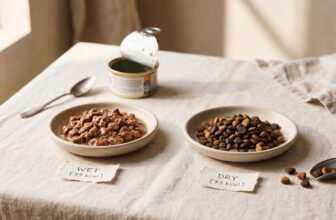
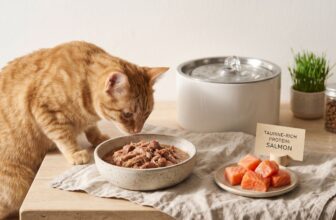
Senior cat nutrition is not adult cat food with a different label. Cats aged seven and older undergo physiological shifts that alter nutrient requirements at the tissue level, and the American Association of Feline Practitioners classifies cats aged seven to ten as mature and cats eleven to fourteen as senior, with fifteen and older designated geriatric (AAFP Senior Care Guidelines, 2021). Lean body mass declines in a process called sarcopenia, and the loss begins around age seven (Laflamme and Gunn-Moore, Journal of Feline Medicine and Surgery, 2021). Renal function can deteriorate silently, with measurable loss before any clinical sign appears (ISFM and IRIS Kidney Guidelines, 2019). Digestive efficiency drops as gastric acid secretion and pancreatic enzyme output fall with age (Case et al., Canine and Feline Nutrition, 3rd ed.). Two nutritional levers matter most in senior cat nutrition, and they pull against each other. High-quality protein preserves muscle, while controlled phosphorus reduces the workload on aging kidneys. This protocol dissects the biochemistry of feline aging, weighs the renal-sarcopenia trade-off stage by stage, and outlines the macronutrient profile that sustains senior cat nutrition through the final life stage.
Written by: PGA Nutrition & Dietetics Desk
Reviewed by: PGA Editorial Board (Zaheer Aujla, Head of Board)
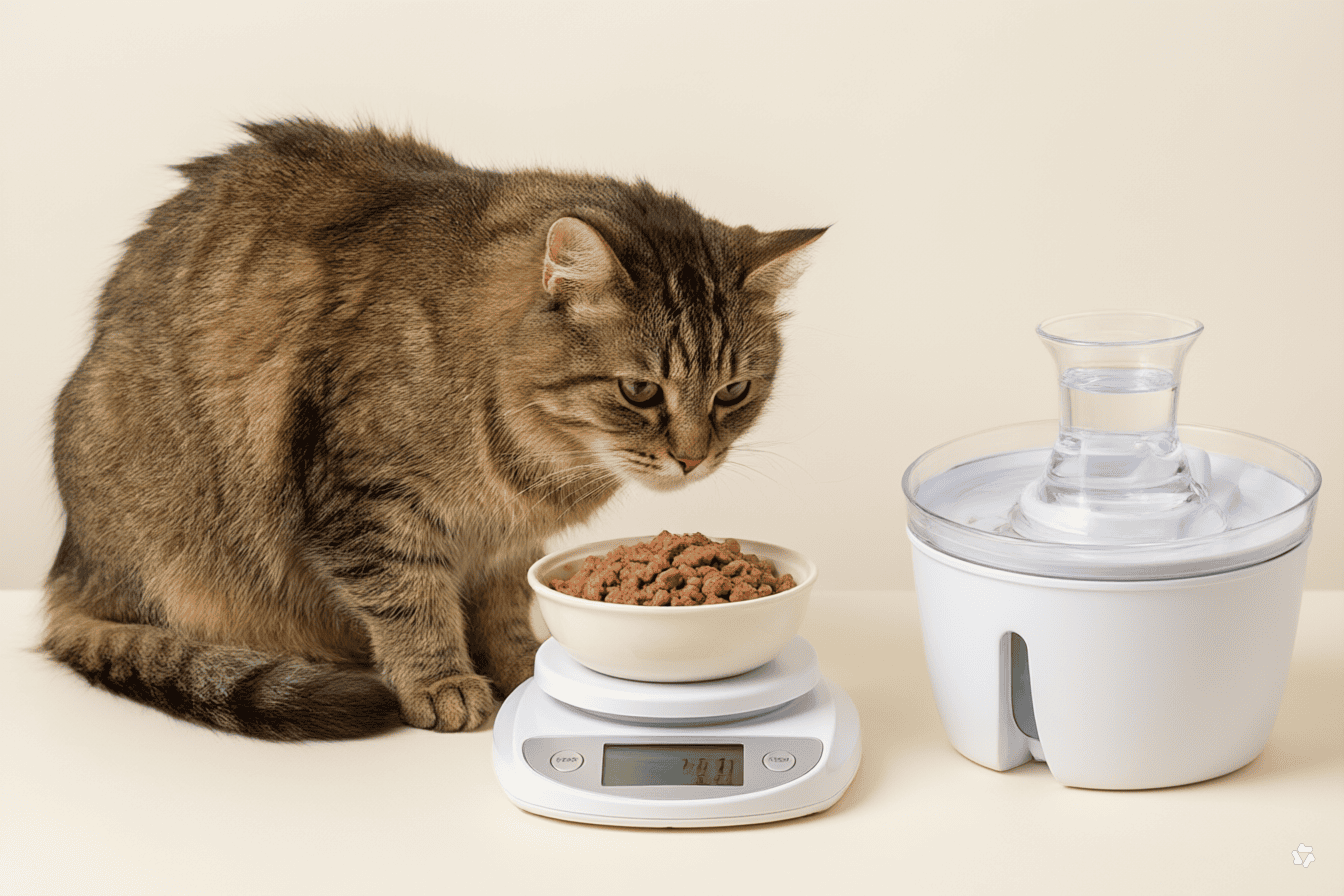
1. Clinical Answer & Dietary Triage
The clinically sound approach to senior cat nutrition pairs highly digestible animal protein with phosphorus restriction calibrated to the cat’s renal stage. Protein quality protects lean mass, and a 2021 review in the Journal of Feline Medicine and Surgery concluded that protein restriction is not warranted in healthy aging cats because it accelerates sarcopenia (Laflamme and Gunn-Moore). Phosphorus control slows the progression of chronic kidney disease once it is diagnosed, and the IRIS staging system sets target ranges for each stage (ISFM and IRIS Kidney Guidelines, 2019). Wet food supports hydration through its high moisture content (Zoran, JAVMA, 2002), and warming the ration to body temperature is a practical technique that can improve acceptance, since feline appetite responds to aroma (Case et al., 3rd ed.). Matching those variables to bloodwork and muscle condition score is the working core of senior cat nutrition.
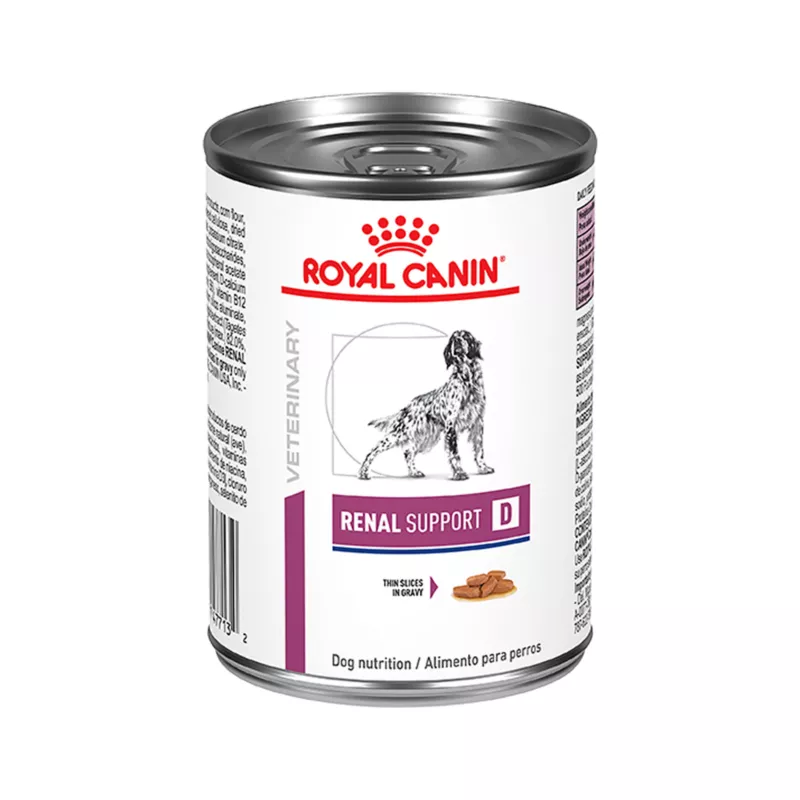
For early renal support and muscle preservation (Pro Tier):
Royal Canin Veterinary Diet Renal Support
For senior cats with sensitive digestion (Mid Tier):
Hill’s Science Diet Senior 11+
(affiliate link)
For budget-friendly senior maintenance (Budget Tier):
(affiliate link)
2. The Nutritional Biochemistry Context
Feline sarcopenia describes the age-related loss of skeletal muscle mass and strength that begins around age seven and accelerates after eleven. The mechanism differs from simple weight loss. Muscle protein synthesis declines while proteolysis continues, and the balance tips toward catabolism even when caloric intake holds steady (Laflamme and Gunn-Moore, Journal of Feline Medicine and Surgery, 2021). Senior cats also show reduced efficiency in digesting protein, which means the same food delivers fewer usable amino acids than it did in the cat’s prime (Case et al., 3rd ed.). Senior cat nutrition answers that decline with higher digestibility rather than sheer quantity, and plant proteins fall short because soy and corn are limiting in lysine and methionine and cannot match the amino acid pattern of animal tissue (NRC, Nutrient Requirements of Dogs and Cats, 2006).
Renal decline follows a separate timeline, and chronic kidney disease is among the most common diagnoses in cats over fifteen (ISFM and IRIS Kidney Guidelines, 2019). As nephron mass falls, glomerular filtration drops and phosphorus accumulates in serum. Elevated phosphorus drives secondary hyperparathyroidism, which pulls calcium from bone and deposits mineral in remaining renal tissue, and that cycle accelerates the loss of function. Dietary phosphorus restriction interrupts the cycle, and the IRIS staging system sets a target range for each stage of the disease. The ISFM consensus guidelines identify phosphorus restriction as the nutritional intervention with the strongest evidence base in feline CKD management, and it anchors senior cat nutrition once the diagnosis is confirmed.
Over-restriction carries its own cost. Push phosphorus too low in a cat without renal disease and hypophosphatemia follows, along with appetite loss and further muscle wasting (Laflamme and Gunn-Moore, 2021). Push protein too low and sarcopenia accelerates. Senior cat nutrition is therefore a calibration exercise rather than a fixed prescription, and the calibration depends on bloodwork, muscle condition score, and body condition score reviewed together. Aging also reduces gastric acid secretion and pancreatic enzyme output, so highly digestible diets with added prebiotics and omega-3 fatty acids support absorption and temper the low-grade inflammation that accompanies aging tissue (Case et al., 3rd ed.). The senior cat care library covers the clinical monitoring side of that framework.
3. The Ingredient & Strain Matrix
Three pillars carry senior cat nutrition from theory into a feeding plan. Protein quality and its effect on sarcopenia come first, because lean mass predicts survival and mobility in older cats. Phosphorus restriction and renal health come second, because CKD progression is the leading non-neoplastic cause of death in this age group (ISFM and IRIS Kidney Guidelines, 2019). Digestive efficiency comes third, because aging reduces absorption and a diet the cat cannot fully use delivers less than its label promises. Each pillar can be evaluated from a product label and a blood panel, and each one shifts with the cat’s IRIS stage and muscle condition score.
3.1 Protein Quality & Sarcopenia
Muscle loss begins around age seven, and it progresses quietly because the cat’s total body weight may stay stable while fat replaces lean tissue. Senior cat nutrition should prioritize highly digestible animal protein from chicken, fish, and egg, because those sources carry an amino acid pattern close to the cat’s requirement and score higher on ileal digestibility assays (Laflamme and Gunn-Moore, 2021). The 2021 review concludes that healthy senior cats need more protein than young adults, not less, and that protein restriction in the absence of renal disease actively harms them. Plant proteins are insufficient, since soy and corn are limiting in lysine and methionine and deliver a weaker amino acid profile at the same crude protein percentage (NRC, 2006). AAFCO sets the adult feline minimum at 26% protein on a dry matter basis (AAFCO, 2024 Official Publication), and senior formulas positioned for muscle support exceed that figure because digestibility declines with age.
Clinical Verdict: Senior cat nutrition must prioritize highly digestible animal proteins to combat sarcopenia, even in the presence of mild renal disease.
3.2 Phosphorus Restriction & Renal Health
Phosphorus accumulates in blood when filtration falls, and the resulting secondary hyperparathyroidism damages remaining nephrons through mineral deposition and fibrosis (ISFM and IRIS Kidney Guidelines, 2019). Dietary restriction interrupts that loop, and the IRIS staging system sets target serum phosphorus ranges that translate into dry matter phosphorus targets for each stage. Early-stage cats (IRIS 1 and 2) benefit from moderate restriction, with renal diets formulated at lower phosphorus levels than maintenance formulas. Late-stage cats (IRIS 3 and 4) require strict control, and the IRIS guidelines recommend phosphate binders alongside diet when dietary restriction alone cannot reach the target (ISFM and IRIS Kidney Guidelines, 2019). Over-restriction without confirmed CKD can produce hypophosphatemia, appetite loss, and further muscle wasting, which is why senior cat nutrition cannot be templated across every patient (Laflamme and Gunn-Moore, 2021). The serum phosphorus value, not the product label, sets the target.
Clinical Verdict: Phosphorus restriction must be calibrated to the stage of renal disease. Early-stage cats benefit from moderate restriction; late-stage cats require strict control.
3.3 Digestive Efficiency & Nutrient Absorption
Aging reduces gastric acid secretion and pancreatic enzyme output, and the effect compounds across years (Case et al., Canine and Feline Nutrition, 3rd ed.). The resulting decline in digestive efficiency means a senior cat extracts fewer nutrients from the same food, so a diet that met requirements at age five can fall short at age twelve. Highly digestible proteins narrow that gap by presenting amino acids in a form the gut can move across the epithelium with less enzymatic work. The WSAVA Global Nutrition Committee recommends prebiotic fibers and omega-3 fatty acids in senior cat nutrition plans because they support the colonic microbiome and modulate the inflammatory tone that rises with age. Vitamin B12 absorption can also fall in senior cats with chronic enteropathy, and serum cobalamin belongs in the monitoring panel alongside renal values (WSAVA Global Nutrition Committee). Senior cat nutrition that addresses digestive decline delivers measurable improvement in body condition and coat quality over time.
Clinical Verdict: Senior feline diets should include prebiotic fibers, omega-3s, and highly digestible proteins to compensate for age-related digestive decline.
| Product Image | Product Name | Primary Button / Our Rating |
|---|---|---|
Diagnostic Gold Standard |
| |
Vet-Backed Senior Formula |
| |
High-Volume Senior Essential |
| |
Clinical Renal Alternative |
| |
Novel Protein Renal Support |
|
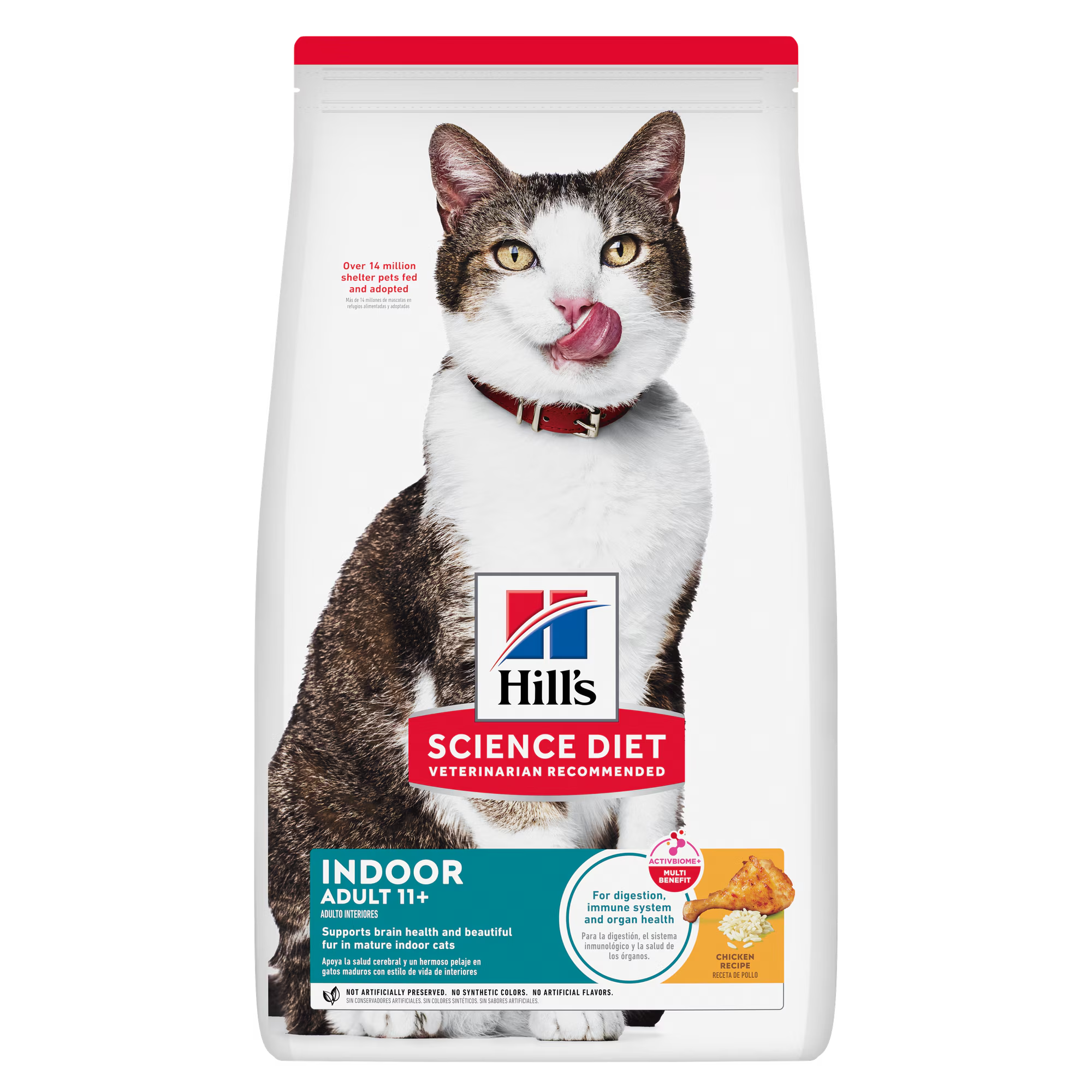
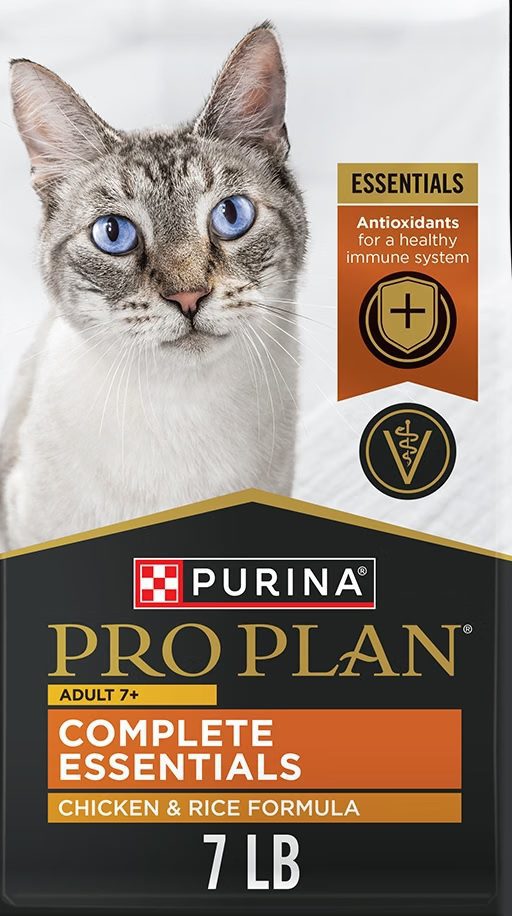
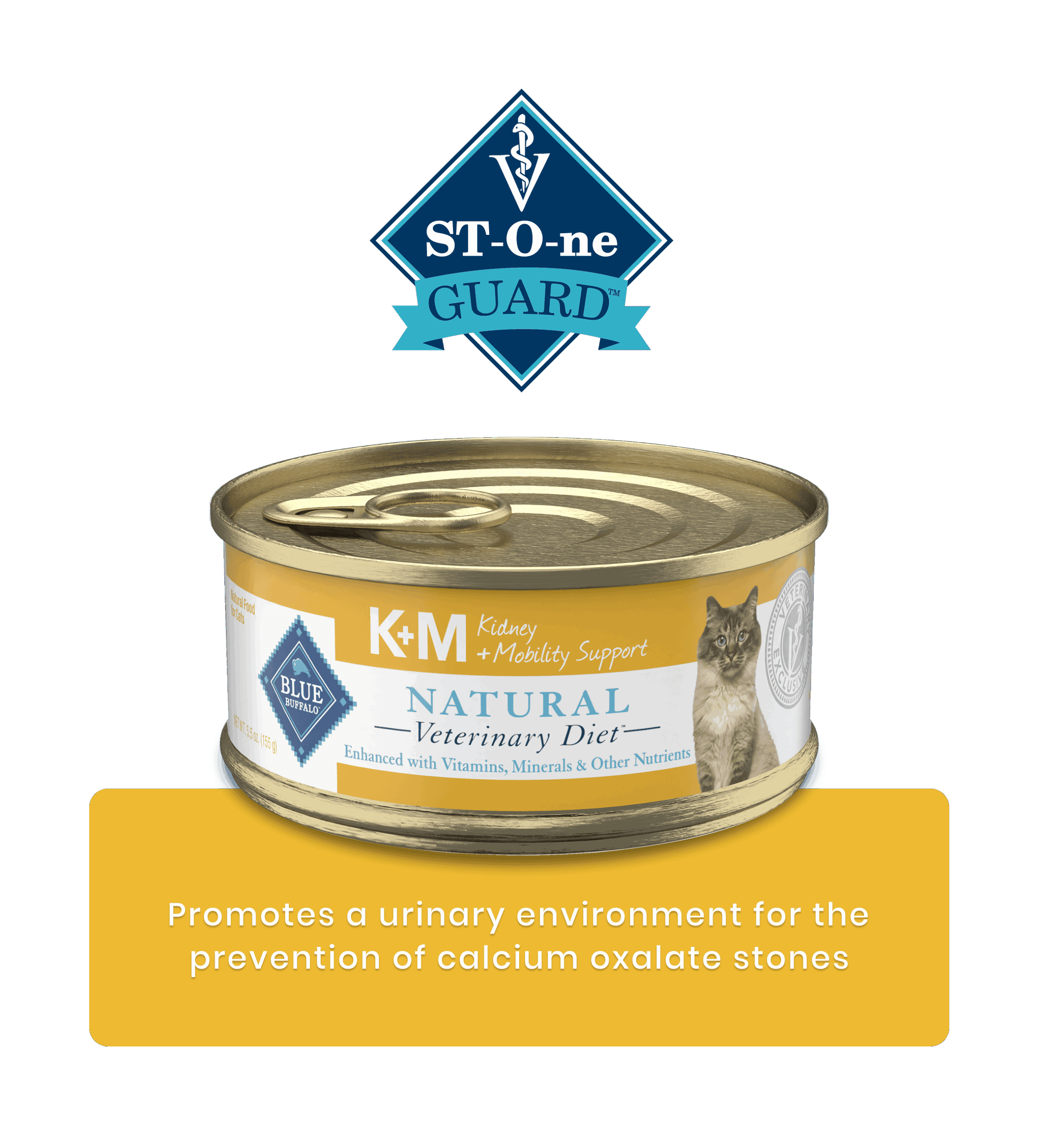
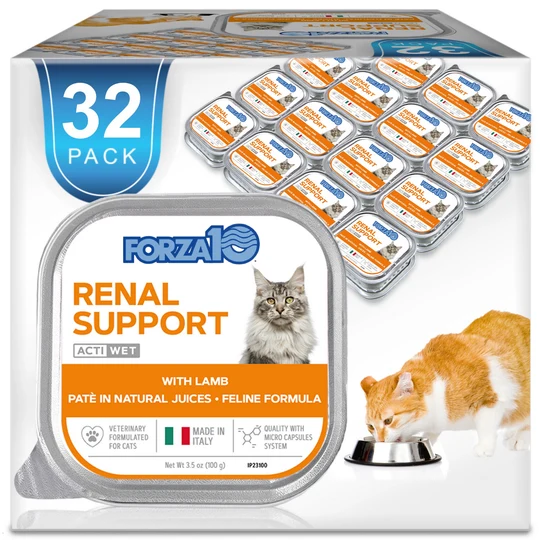
(affiliate link)
4. The Therapeutic Administration Protocol
Senior cats are among the most change-resistant patients in veterinary practice, and an abrupt diet switch in this population triggers food aversion that can persist for months (Case et al., 3rd ed.). A slower fourteen-day ladder is a practical approach in senior cat nutrition, with 10% new food to 90% old for the first four days, then 25/75, then 50/50, then 75/25, and finally full transition. Warming the new food to body temperature is a practical technique that can help, because aroma influences feline appetite and olfaction can decline with age (AAFP Senior Care Guidelines, 2021). Dental disease, tooth resorption, and missing teeth are common in this age group (AAFP Senior Care Guidelines, 2021), so pate and mousse textures outperform chunky kibble. Never withhold food to force acceptance, because a senior cat that refuses food for more than 48 to 72 hours risks hepatic lipidosis (Center, Veterinary Clinics of North America, 2005). Weigh the cat weekly during transition, since early weight loss signals a plan that needs adjustment. The full transition framework for senior cat nutrition is documented in the cat food archive.
5. Adverse Events & Contraindications
Never restrict protein in a senior cat without confirmed renal disease. Muscle loss accelerates within weeks, and the sarcopenia that follows is harder to reverse than to prevent (Laflamme and Gunn-Moore, 2021). Never transition a senior cat abruptly to a new food. Sudden dietary change in a neophobic species produces food aversion and gastrointestinal distress, and the resulting refusal carries a real risk of hepatic lipidosis (Center, 2005). Never feed a senior cat a diet high in phosphorus once CKD is diagnosed, because phosphorus loading accelerates the secondary hyperparathyroidism that drives further nephron loss (ISFM and IRIS Kidney Guidelines). Never assume every senior cat food is complete. The senior claim on a package is not a regulated nutrient profile under AAFCO, and the AAFCO regulatory language permits products labeled for senior cats that meet only adult maintenance minimums (AAFCO, 2024 Official Publication). Never ignore weight loss in a senior cat. Weight loss is a clinical sign, not a normal part of aging, and it warrants bloodwork, a muscle condition score, and a dietary review. Never feed toxic human foods such as xylitol, grapes, onions, or chocolate to a senior cat, because those toxins compound any gastrointestinal upset and confuse the clinical picture during a diet transition. Never substitute human probiotic products for veterinary probiotics in a senior cat. Human strains are selected for the human gut and doses can trigger severe gastrointestinal distress in a cat already adapting to a new formula (WSAVA Global Nutrition Committee). Never introduce a new senior formula while the cat is on antibiotics or recovering from illness, because the clinical picture is complex and simultaneous variables make the dietary response impossible to interpret. The AVMA literature on feline nutritional requirements and deficiency states informs this guidance, and the primary source at JAVMA should be reviewed before altering any senior cat nutrition protocol for a cat with concurrent disease.
6. Pre-Diet Assessment Markers
Nine markers establish a baseline before any senior cat nutrition change begins. Without them, improvement cannot be measured objectively.
- Stool Quality: Evaluate using the Bristol Stool Scale, where a score of 3 or 4 indicates optimal hydration and form. High-volume, soft stool indicates poor digestibility, which matters more in senior cat nutrition because absorption is already reduced.
- Body Condition Score (BCS): Determine if the cat is underweight, ideal, or overweight on a 1 to 9 scale. Photograph from above and from the side, and weigh weekly during any transition.
- Gastric Distension: Monitor for abdominal bloating or discomfort one to two hours after eating, since timing separates gastric from intestinal signs and flags a formula that ferments too quickly.
- Muscle Condition Score (MCS): Palpate the spine and hips for muscle wasting, which indicates sarcopenia (Laflamme and Gunn-Moore, 2021). MCS is scored separately from BCS because a cat can hold normal body weight while losing lean mass.
- Skin & Coat Quality: Check for dandruff, greasiness, or erythema along the belly and flanks, which indicate poor fat metabolism or an essential fatty acid deficit in the senior cat nutrition plan.
- Antibiotic History: Review recent medical history, because antibiotic therapy is a relevant clinical variable that can complicate interpretation of digestive changes during the transition window.
- Renal Function: Check bloodwork for BUN, creatinine, and SDMA, the most sensitive early marker of CKD (ISFM and IRIS Kidney Guidelines, 2019). SDMA rises before creatinine leaves the reference range, and the IRIS staging system depends on both values.
- Hydration Status: Check for skin tenting at the scruff and monitor daily water intake. Note whether the cat drinks from a bowl, a fountain, or a running tap, and watch litter box output for changes in concentration.
- Dental Health: Inspect the teeth for tartar, gingivitis, or missing teeth, which may require softer food textures. Tooth resorption and periodontal disease both affect food acceptance in senior cats (AAFP Senior Care Guidelines, 2021).
Never change a senior cat’s diet without consulting a veterinarian, especially if the cat has a history of kidney disease or urinary blockages. The practical care guides cover the owner-side logistics of a structured transition in senior cat nutrition.
6.1 Sensory Check: Palatability and Feeding Response
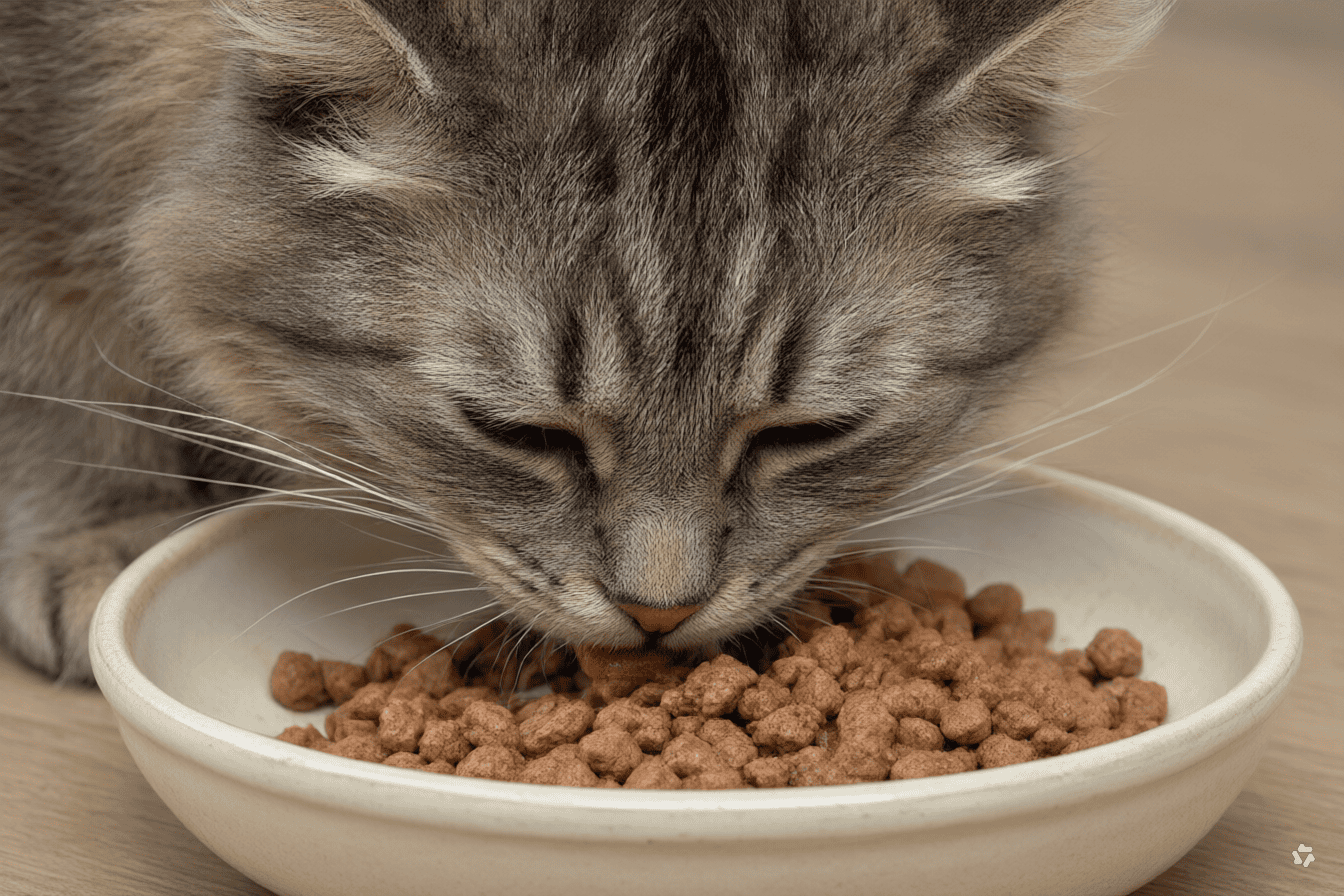
The senior cat’s willingness to eat signals whether the new senior cat nutrition plan is palatable enough to sustain long-term adherence. Watch for acceptance at the bowl, rate of consumption, and any sign of refusal, lip curling, or turning away. A renal formula that requires force-feeding fails clinically because cats develop persistent aversion after a single unpleasant meal, and the owner abandons the diet within weeks. Smell the food before serving. A fresh, meaty aroma is normal, while a rancid or sharply acidic smell signals oxidized fat and a degraded batch. Observe stool within 24 to 48 hours of a new formula and log texture, color, frequency, and any blood or mucus present. Weigh the cat weekly and record muscle condition monthly. These are owner-side observations, not diagnostic criteria, but they surface problems faster than a follow-up appointment.
The Sarcopenia Crisis
Muscle loss in senior cats can be mistaken for normal aging, and that misreading delays intervention by years (Laflamme and Gunn-Moore, 2021). A cat that looks thinner along the spine and hips while holding steady body weight may have replaced lean mass with fat, and that shift can affect mobility, immune function, and long-term survival. The 2021 review by Laflamme and Gunn-Moore concluded that protein restriction is not appropriate for healthy aging cats and that muscle condition score should be tracked alongside body condition score at every wellness visit. Senior cat nutrition that treats protein as a nutrient to be cut rather than protected pushes the patient toward frailty.
Monitoring drives adjustment. Palpate the spine and hips monthly and score muscle condition on the WSAVA 0 to 3 scale, where 0 indicates normal muscle and 3 indicates severe wasting. Weigh the cat weekly on a kitchen scale and record the number, since a tenth of a kilogram matters at this size. When muscle condition drops, raising protein digestibility before raising protein quantity is a practical next step, because absorption limits the gain (WSAVA Global Nutrition Committee). When serum phosphorus rises, tightening dietary phosphorus and rechecking on the veterinarian’s schedule is the standard recommendation to keep the senior cat nutrition plan aligned with the disease stage (ISFM and IRIS Kidney Guidelines, 2019). The PetMD cat nutrition reference covers the monitoring side of senior cat nutrition in more depth, and the AKC nutrition library provides a general reference on how commercial pet foods are evaluated for senior cat nutrition.
7. Clinical References & Nutritional Disclaimer
According to the ISFM and IRIS kidney guidelines and the veterinary gerontology literature, dietary phosphorus restriction slows the progression of chronic kidney disease in cats by interrupting secondary hyperparathyroidism, and the target phosphorus level depends on IRIS stage. The 2021 review by Laflamme and Gunn-Moore concludes that protein restriction is not warranted in healthy aging cats because it accelerates sarcopenia, which makes digestible animal protein a protected nutrient in senior cat nutrition rather than a restricted one.
This is for educational purposes. Nutritional interventions should be tailored by a board-certified veterinary nutritionist.
Read more about the institutional research standards behind this protocol and the editorial leadership that reviews every clinical claim.
Related Cluster
Senior cat nutrition decisions connect to every other system an aging cat depends on. The breed-specific care protocols explain why certain lines carry higher rates of polycystic kidney disease and hypertrophic cardiomyopathy, the senior cat care section covers mobility and cognitive monitoring for senior cat nutrition, and the cat food archive documents how renal and senior feline nutrition products are evaluated before review.
8. Frequently Asked Questions
At what age is a cat considered senior?
The American Association of Feline Practitioners classifies cats aged seven to ten as mature and cats aged eleven to fourteen as senior, with fifteen and older designated geriatric (AAFP Senior Care Guidelines, 2021). Physiological changes relevant to senior cat nutrition, including declining lean mass and reduced digestive efficiency, begin around age seven.
How much protein does a senior cat need?
Healthy senior cats need more protein than young adults, not less, and the 2021 review by Laflamme and Gunn-Moore confirms that restriction accelerates sarcopenia when renal disease is absent. AAFCO sets the adult feline minimum at 26% on a dry matter basis (AAFCO, 2024 Official Publication), and senior cat nutrition plans positioned for muscle support exceed that figure with highly digestible animal sources. Cats with confirmed CKD need individual targets set by a veterinarian.
What are the signs of kidney disease in senior cats?
Early CKD is silent. The first measurable sign is a rising SDMA on bloodwork, which appears before creatinine leaves the reference range (ISFM and IRIS Kidney Guidelines, 2019). Later signs include increased thirst and urination, weight loss, reduced appetite, dull coat, and vomiting. Senior cat nutrition planning should rest on annual or twice-yearly bloodwork rather than on waiting for symptoms.
Can I feed my senior cat adult cat food?
Adult maintenance food meets minimum requirements but does not address the digestibility and phosphorus variables that shape senior cat nutrition. A healthy senior cat without CKD may do well on a high-quality adult formula that exceeds protein minimums with animal sources. Once CKD is diagnosed, a renal diet with controlled phosphorus becomes the standard of care.
How do I transition my senior cat to a new diet?
Use a fourteen-day ladder. Start at 10% new food to 90% old for four days, then move to 25/75, 50/50, and 75/25 before full transition. Warm the food to body temperature and choose a pate texture if dental disease is present. Never withhold food to force acceptance, because a senior cat that refuses food beyond 48 to 72 hours risks hepatic lipidosis.


The PGA Clinical Desk analyzes AAFCO nutritional guidelines, veterinary dermatological baselines, and genetic sensitivities (MDR1). We translate dense institutional data from the AVMA and NAVC into actionable at-home care protocols. We do not provide veterinary diagnoses.