Written by: PGA Hardware & Equipment Desk
Reviewed by: Reviewed by: PGA Editorial Board (Zaheer Aujla, Head of Board)
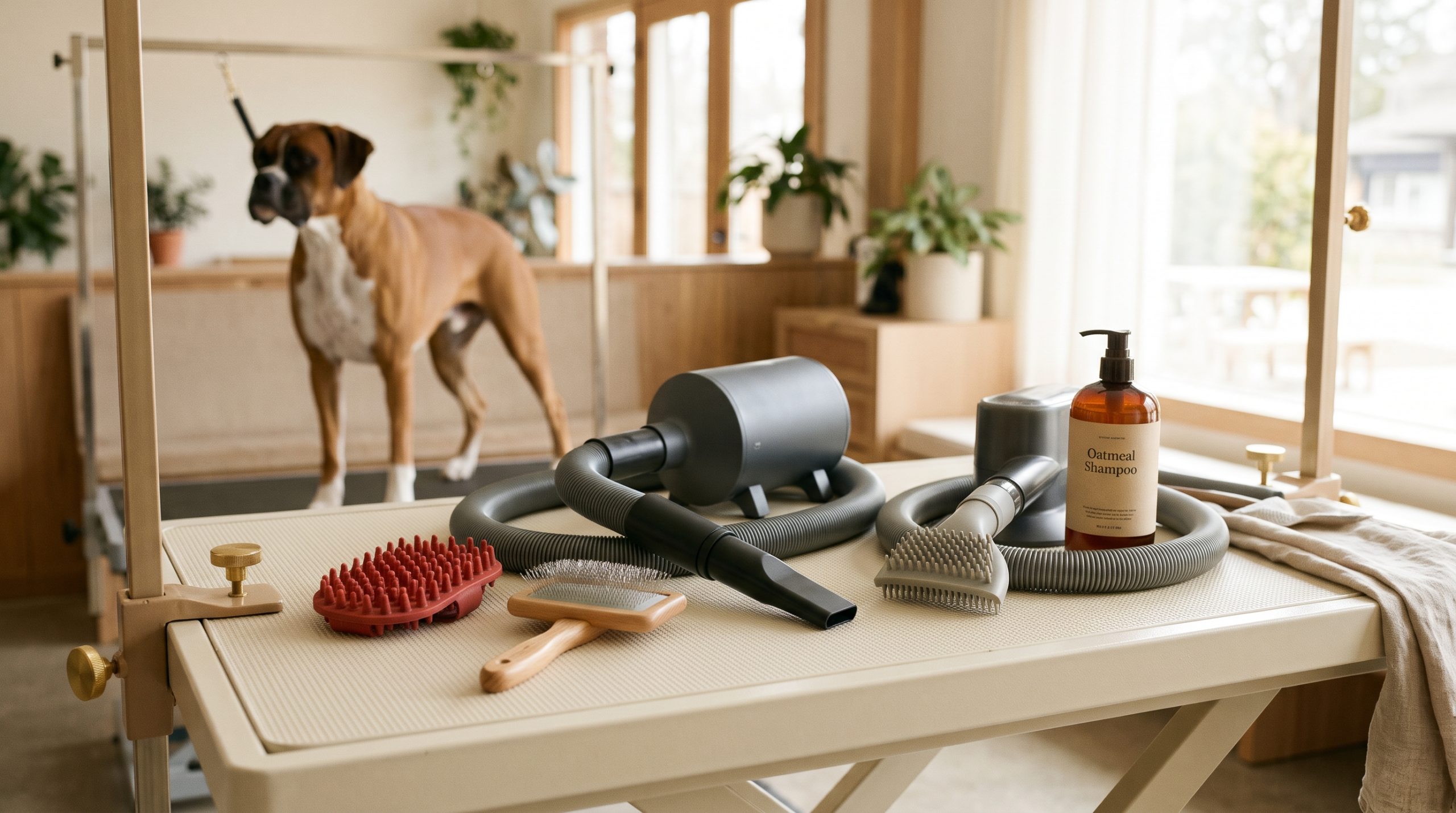
A smooth coat grooming system has to solve a problem most owners never expect, because a smooth coat is not maintenance-free. The hair is short, and because it is short, the skin has no buffer between the tool and the epidermis. UV light lands directly on the surface, and environmental allergens sit directly on that same surface while every brush stroke acts on the epidermis rather than on a coat layer above it. The biological paradox of the smooth coat is that it sheds constantly, but the shed hairs are short and stiff and embed themselves in upholstery and skin. Those short stiff hairs are also the reason brush burn happens so easily on this coat type. Every tool in a proper smooth coat grooming system either lifts dead hair off the skin without scraping or drags across the epidermis and creates a friction dermatitis that takes weeks to calm down.
Section 1: AIO Direct Answer & Quick Match
A smooth coat grooming system is an epidermal-protection tool set, not a deshedding kit with a different label. It pairs a rubber curry or a soft slicker with a high-velocity dryer, a grooming vacuum with a silicone head, a pH-balanced soothing shampoo, and a grinder that reaches the thick nails these breeds carry. The goal is to lift loose short hair without dragging a hard metal edge across the skin. Owners who build a smooth coat grooming system around friction control report less dander and fewer hot spots. Their dogs also stop flinching when the brush appears. The smooth coat grooming system works because it treats brush contact as a skin-safety variable rather than a hair-removal task. The three quick match routes below send you to the right first purchase inside that system based on your dog’s current state.
Quick Match Verdict:
-
If you need to deshed without causing brush burn: start with the Hertzko Self-Cleaning Slicker Brush.
Check Price on Amazon
(affiliate link) -
If you need to blast out loose short hairs: start with the Metro Air Force Commander.
Check Price on Amazon
(affiliate link) -
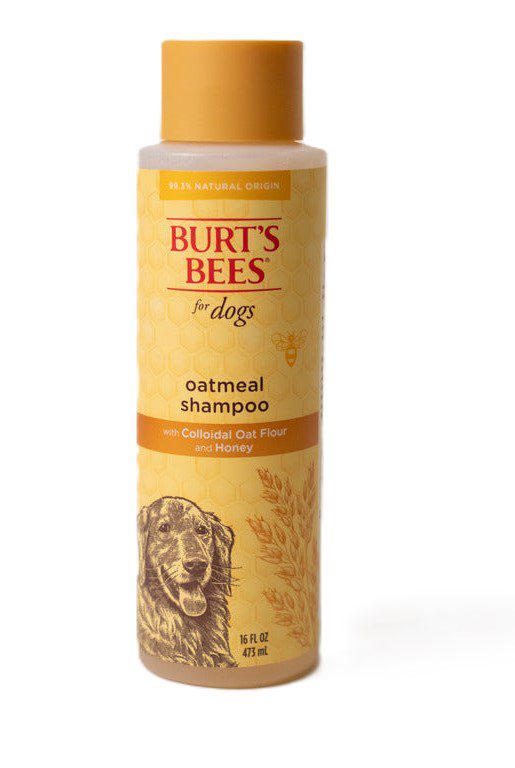
If your smooth-coated dog has dry, flaky skin: start with the Burt’s Bees Oatmeal Shampoo.
Check Price on Amazon
(affiliate link)
Section 2: The Institutional Moat
The AKC grooming resources classify Boxers, Beagles, Dobermans, and similar breeds as single-coated dogs with short, dense hair. That single coat is the entire structural story behind a smooth coat grooming system. There is no undercoat to insulate the skin, which means the epidermis sits closer to the outside world than it does on any other coat type. The hair still sheds, but it sheds as short stiff needles that behave nothing like the soft fluff a double coat drops.
The FCI breed standards describe the smooth coat as a single layer of short hair that lies flat against the skin, which is why the skin barrier carries every protective function on its own. A Furminator or a stiff metal brush dragged across that exposed epidermis produces friction dermatitis, commonly called brush burn, because the tool is scraping directly against skin rather than against a protective coat layer above it. That friction damage compounds fast. A smooth coat grooming system has to treat the skin barrier as the primary concern because there is no second layer to absorb a bad tool choice. The breed-specific protocols guide covers which smooth breeds carry thicker or thinner skin and how that changes tool pressure.
The core grooming guide establishes the general cadence for grooming any breed. The smooth coat variation increases frequency and reduces pressure, because short hair regrows fast and the skin underneath cannot tolerate a hard hand. A smooth coat grooming system that follows that rule keeps the skin calm across every session, which is the institutional position this protocol rests on.
Section 3: Bio-Mechanical Breakdown
Every tool category in a smooth coat grooming system is an epidermal-risk decision. The question is not which tool pulls the most hair. The question is which tool lifts the hair without dragging a hard edge across exposed skin. Each section below names the biological risk and the tier logic that matches it, so every purchase inside a smooth coat grooming system gets made on skin safety rather than on marketing copy.
3.1 Clippers
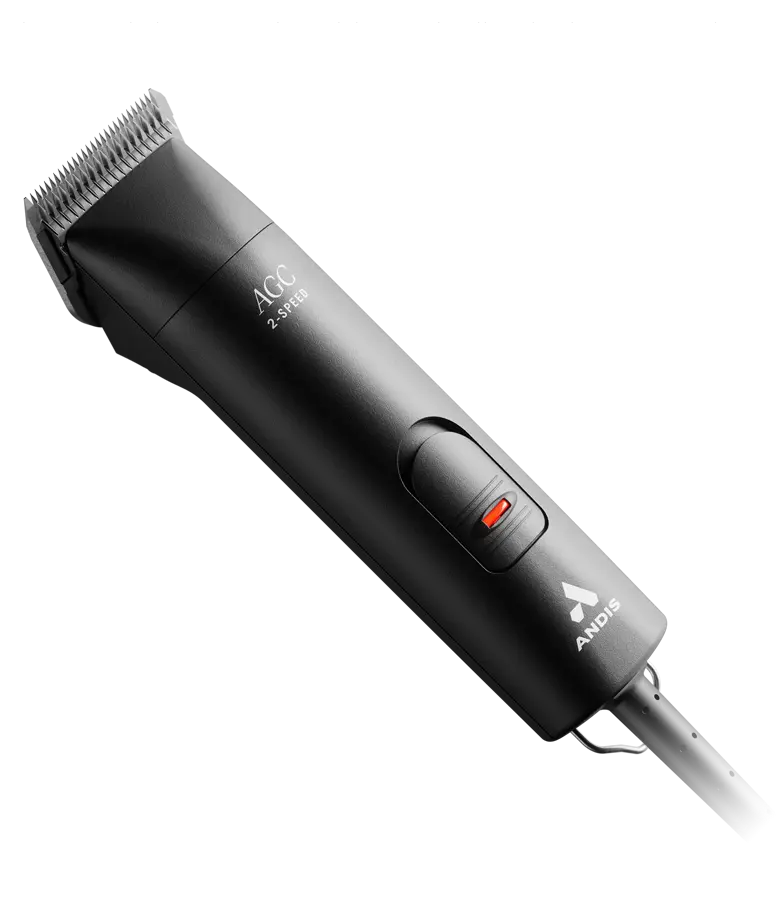
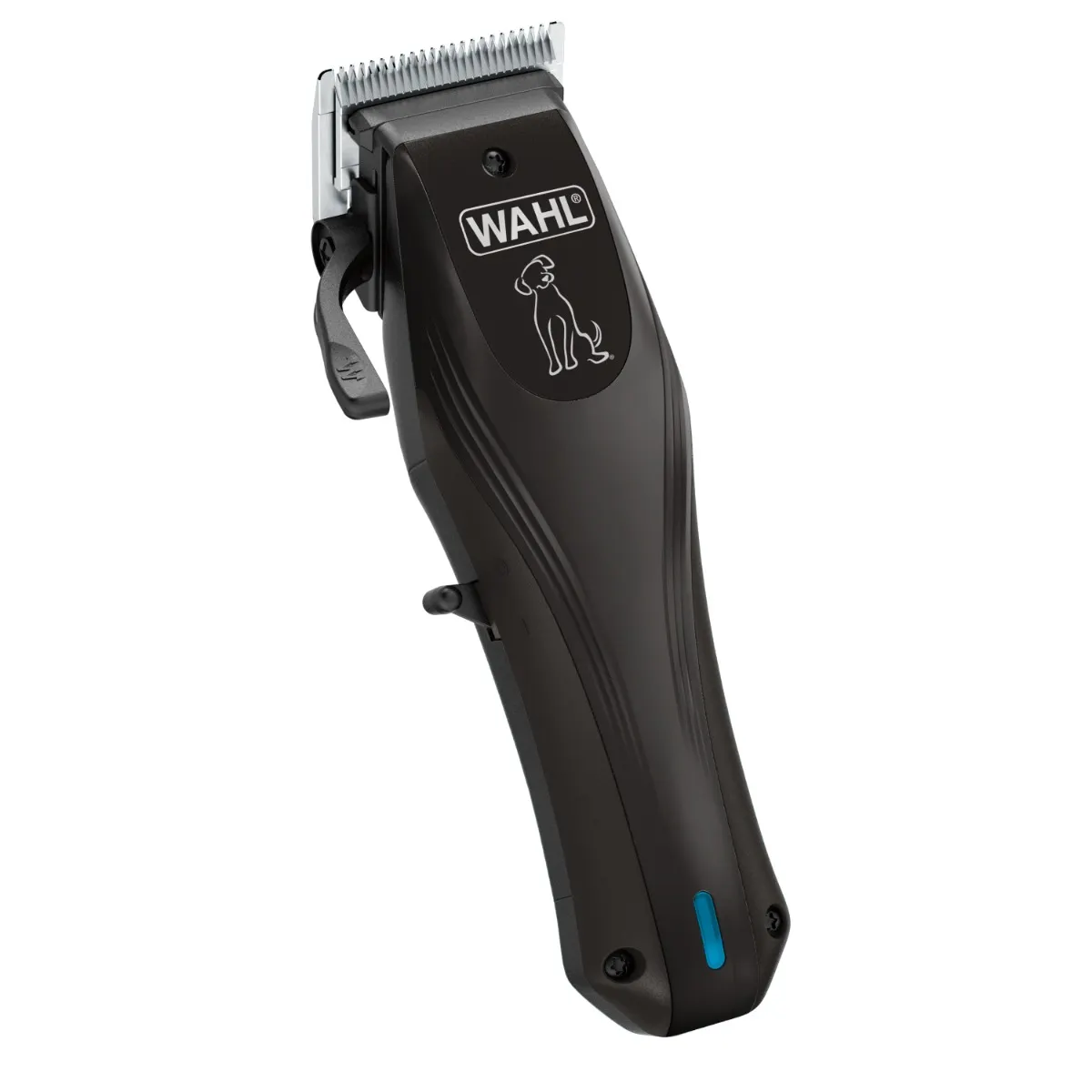
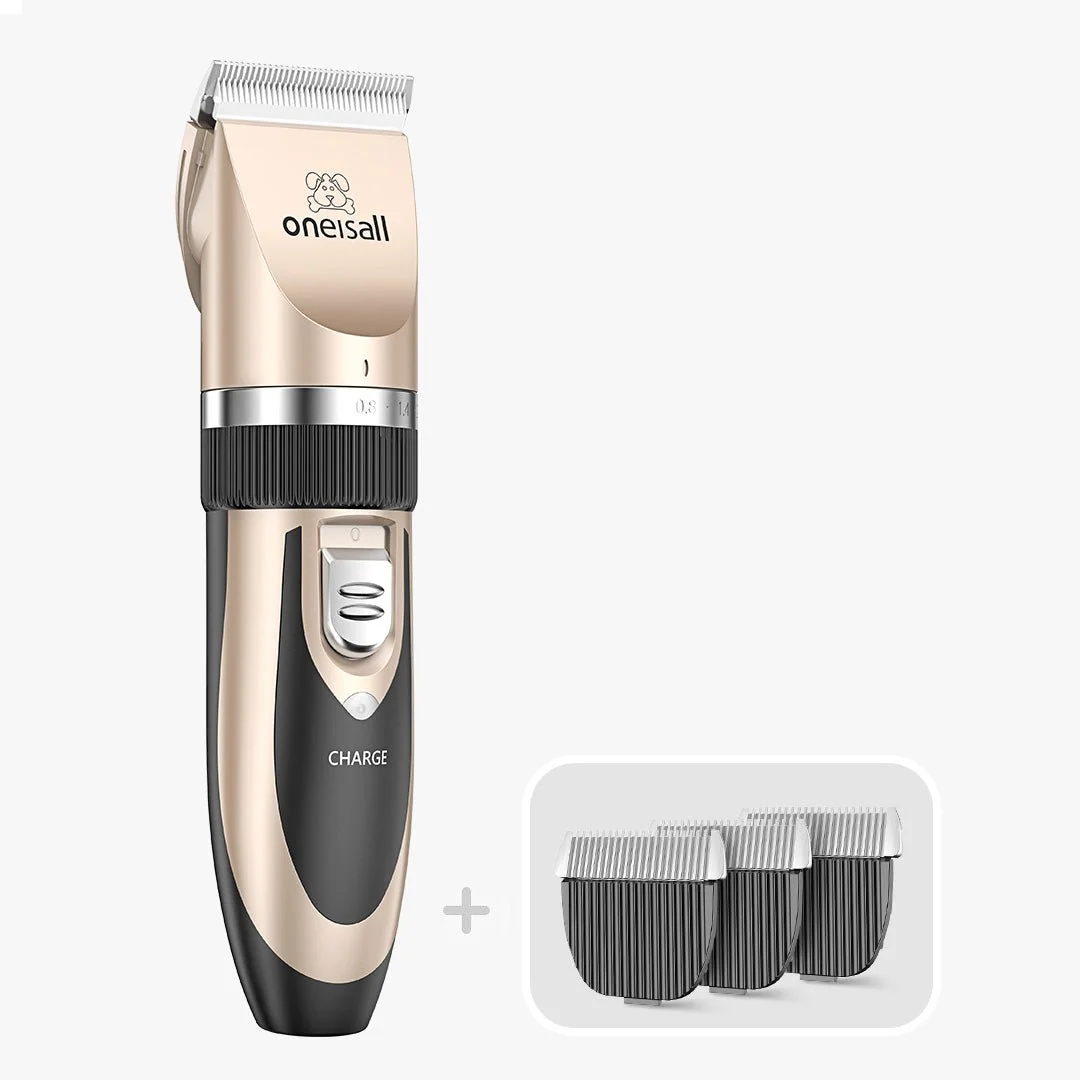
Clipping a smooth coat is usually for surgery prep or an extreme heat decision on a short-nosed breed, and the risk profile inside a smooth coat grooming system is different from every other coat type because there is no coat buffer over the skin. The blade touches exposed epidermis directly, so any heat the blade carries lands directly on skin. A dull blade on a smooth coat does not cut. It drags and it heats, and the result is clipper burn on a surface that already has no protective layer above it. High torque matters here because short dense hair loads a blade differently than fine hair does, and a pivot motor that stalls under that load forces the user to push harder against bare skin. A rotary motor that holds speed under load removes the push cycle. Sharp, cool-running blades matter more than raw speed on this coat type. The biological goal in a smooth coat grooming system is to cut the hair cleanly and leave the skin cool and unbroken.
Clinical Verdict: Andis AGC2 for full-body clips if medically necessary because rotary torque holds under dense short hair. Wahl Power Pro for sanitary trims. oneisall only for paw pads.
| Product Image | Product Name | Verified Spec | Primary Button / Our Rating |
|---|---|---|---|
Pro Tier: Salon Standard |
|
| |
Mid Tier: Cordless Heavy Duty |
|
| |
Budget Tier: Quiet & Light |
|
|
3.2 Dryers
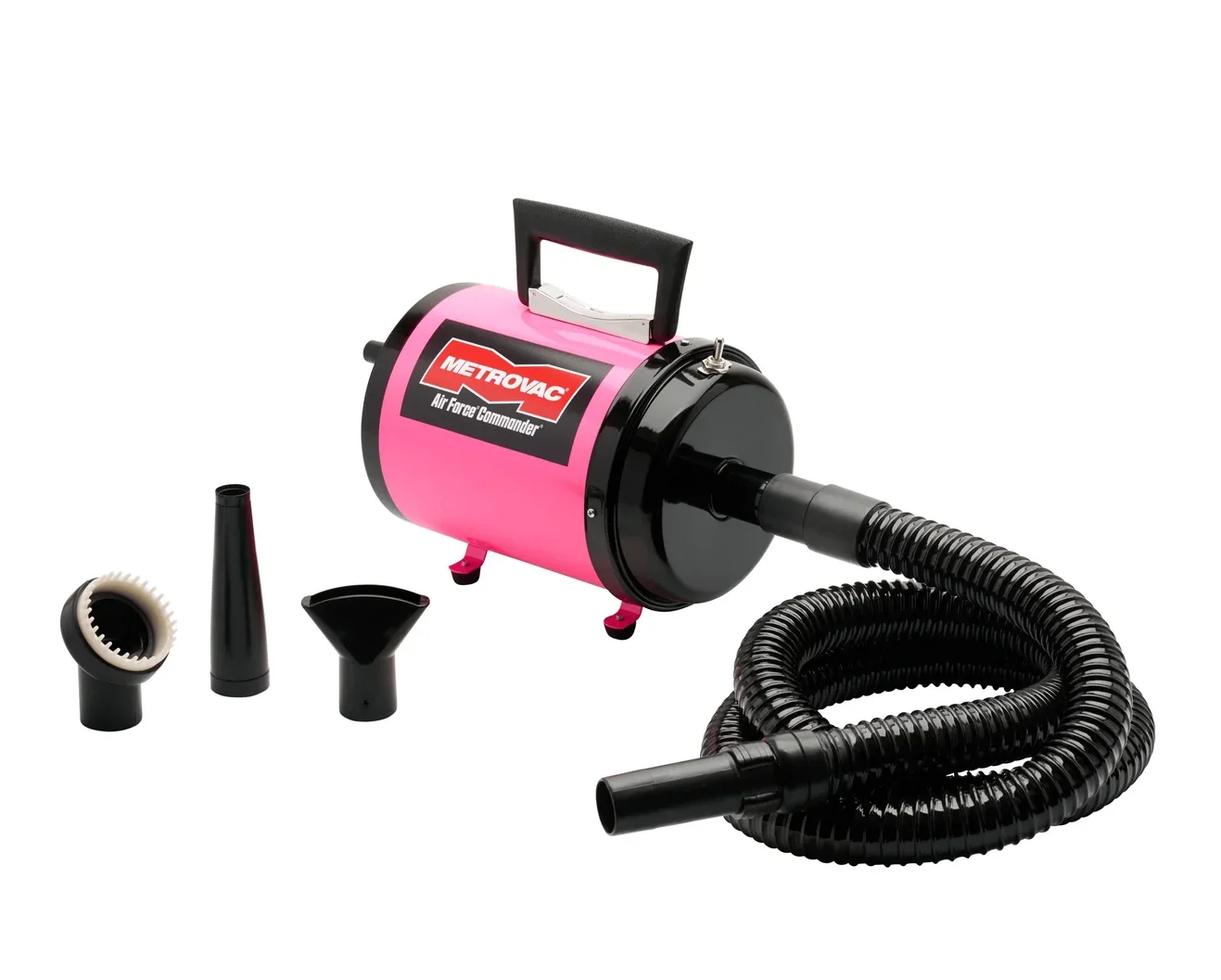
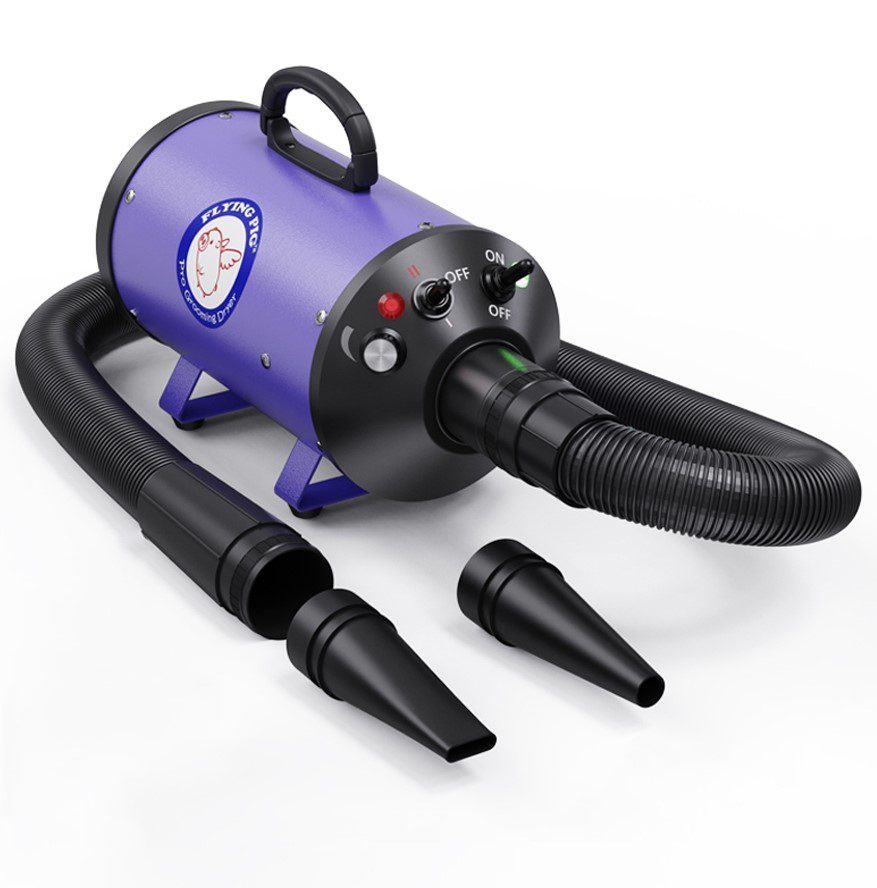
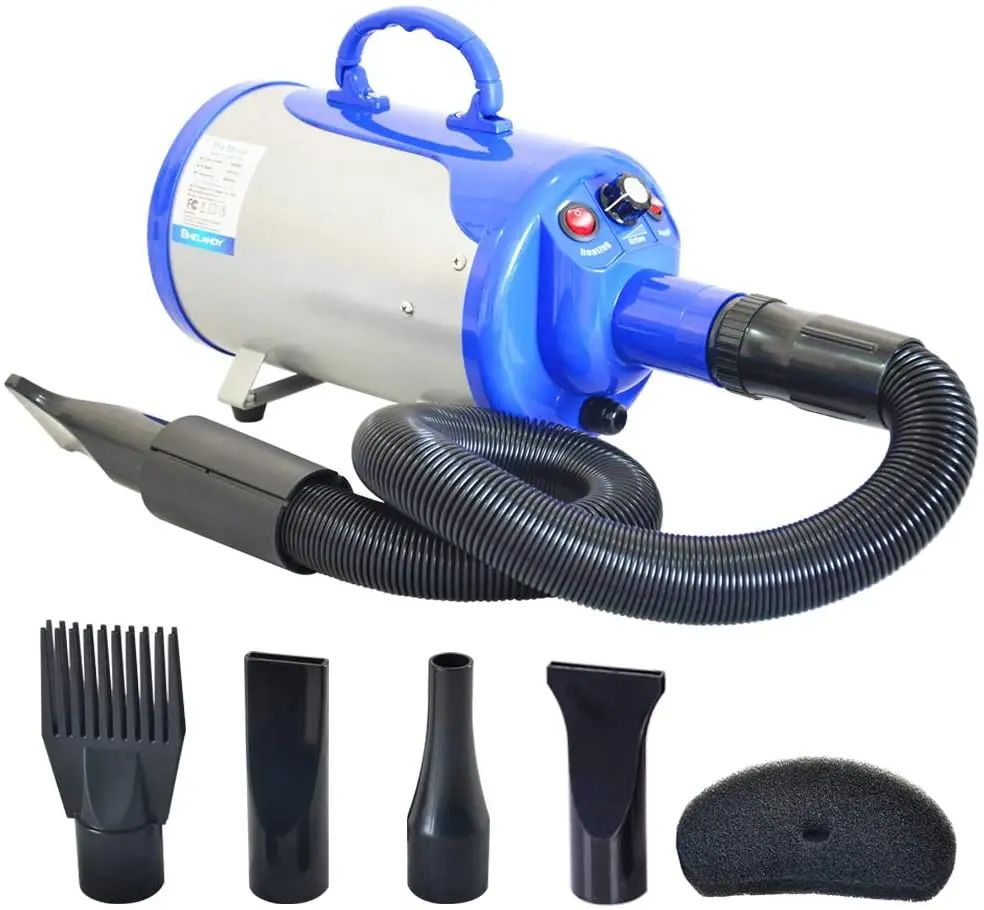
Smooth coats shed constantly, and the dead hairs embed themselves in the skin because there is no long coat to catch them on the way out. High-velocity air blasts those short hairs out of the coat without needing to touch the skin with a brush, which is the most effective deshedding method for this coat type inside a smooth coat grooming system. Heat is the risk here. A heat-based dryer dries out already exposed skin and triggers the dandruff cycle the owner was hoping to avoid. Ambient-temperature velocity removes hair and dander without stripping the little sebum the skin carries. That is why every tier below is judged by airflow first and temperature control second. A smooth coat grooming system that pushes hot air at this coat type trades a shedding problem for a skin problem.
Clinical Verdict: Metro Air Force Commander for full-coat deshedding at ambient temperature. Flying Pig for medium coats with low heat. SHELANDY for faces only. No heat on exposed smooth skin.
| Product Image | Product Name | Verified Spec | Primary Button / Our Rating |
|---|---|---|---|
Pro Tier: Lifetime Warranty |
|
| |
Mid Tier: Steel Shell Power |
|
| |
Budget Tier: High CFM Value |
|
|
3.3 Vacuums
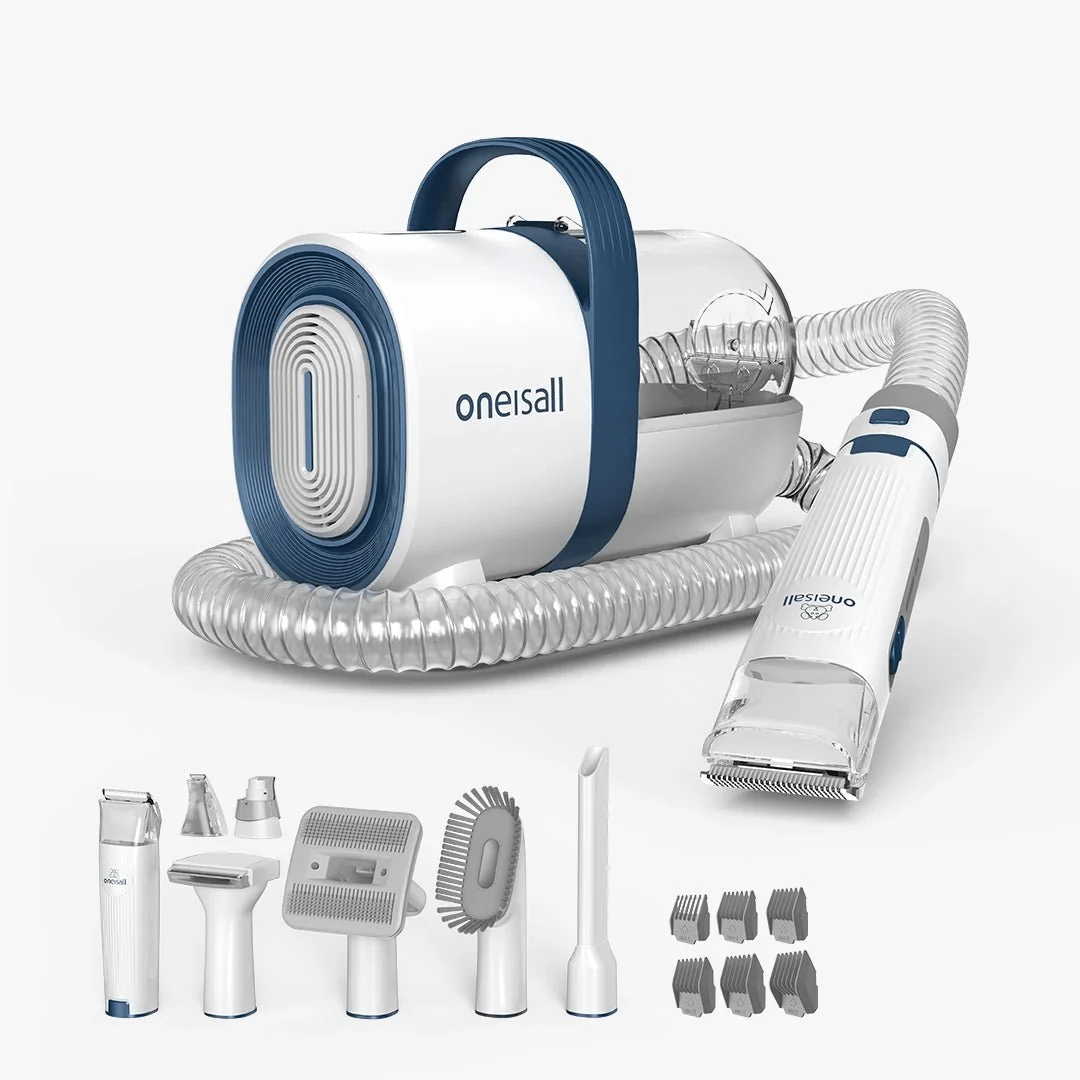
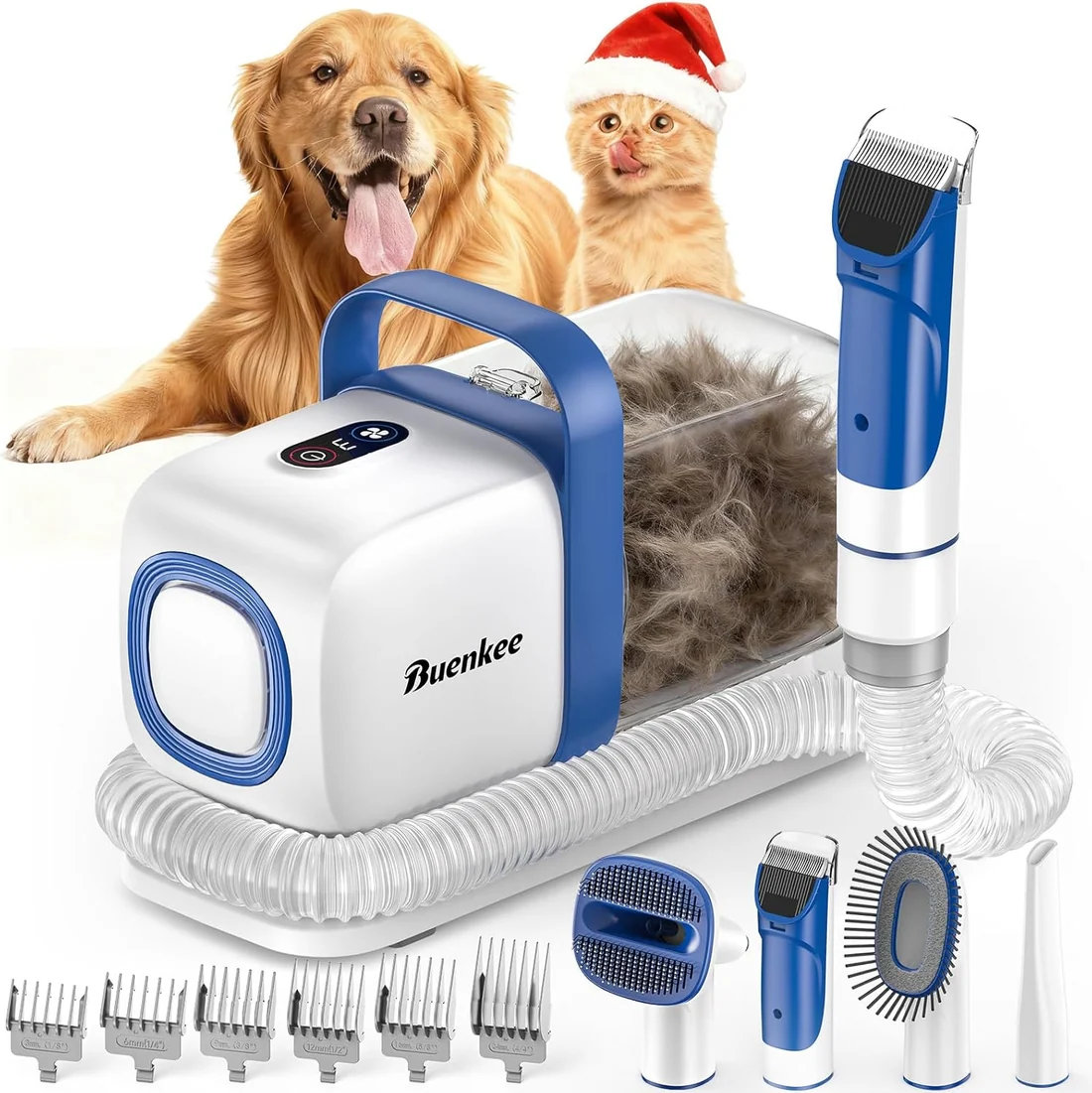
A grooming vacuum is a lifesaver on a smooth coat because it captures the short stiff hairs before they work their way into furniture fabric. That capture is the entire purpose of the vacuum inside a smooth coat grooming system, because deshedding a smooth coat means nothing if the shed hair lands on the couch an hour later. The brush attachment has to be soft rubber or silicone because a stiff bristle head scrapes the epidermis the same way a stiff slicker does. Suction is secondary to head safety. Noise is the third variable. Short-haired breeds like Beagles and Boxers vary in noise tolerance, and a loud vacuum spikes cortisol fast enough that the dog fights the head. A low-noise motor keeps the dog still so the full pass completes inside a smooth coat grooming system without a stress spike.
Clinical Verdict: Neakasa P2 Pro for capturing fine short hair with a gentle suction head. oneisall 7-in-1 for medium shedding. Buenkee for heavy-shedding smooth coats like Beagles.
| Product Image | Product Name | Verified Spec | Primary Button / Our Rating |
|---|---|---|---|
Pro Tier: Max Suction |
|
| |
Mid Tier: All-in-One |
|
| |
Budget Tier: High-Capacity Entry |
|
|

3.4 Brushes (The Epidermal Risk)
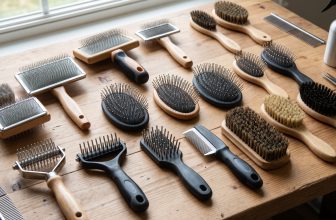
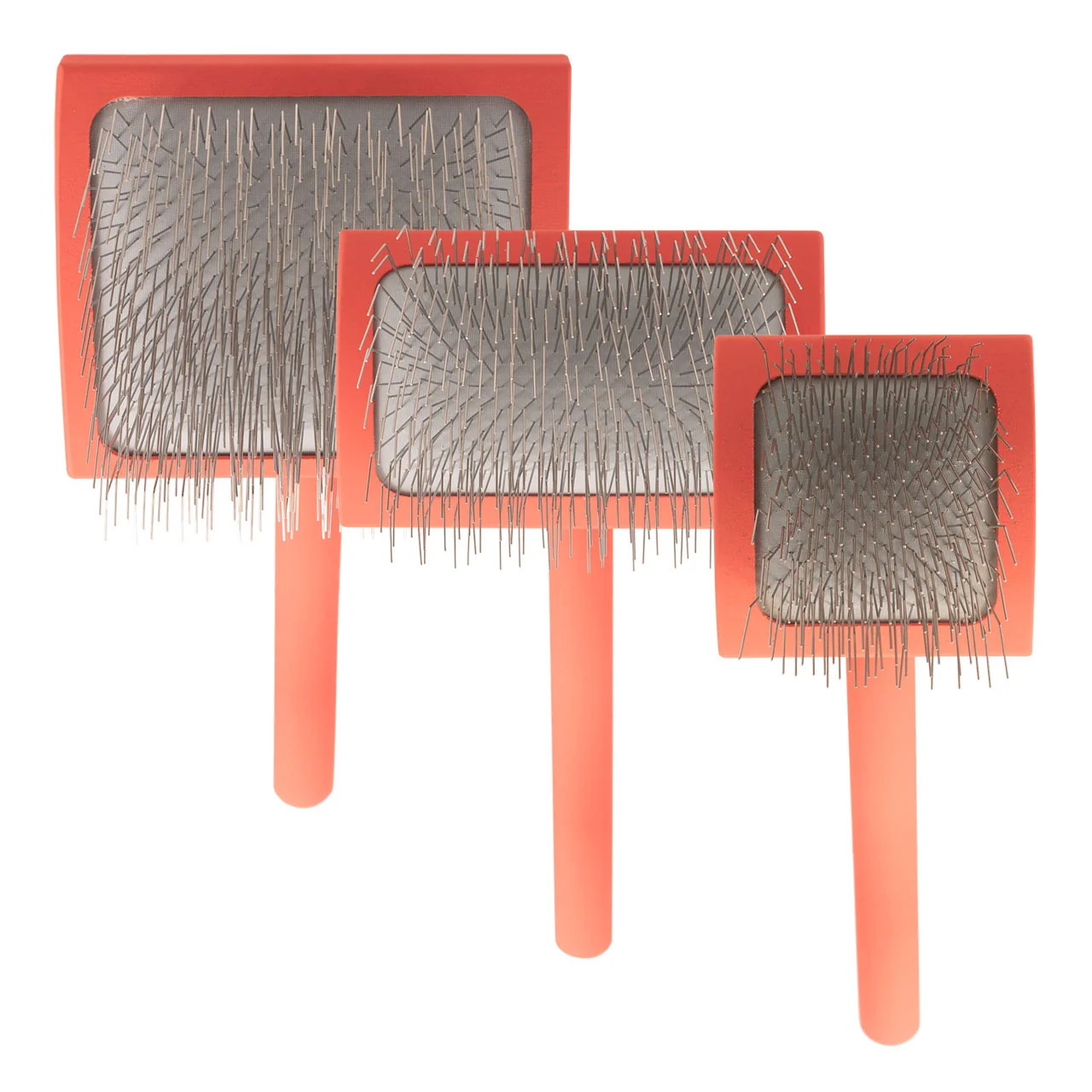
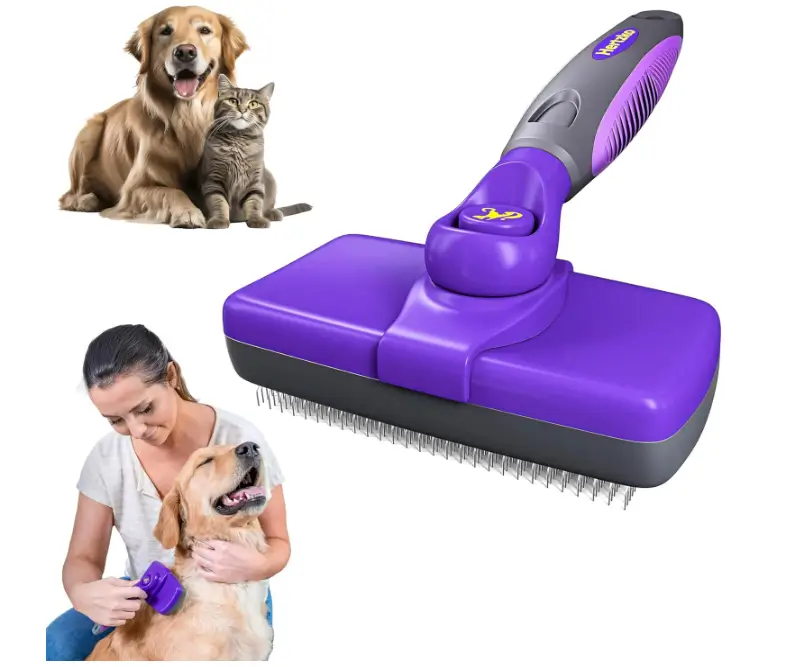
This is the most dangerous category inside a smooth coat grooming system, and the tools here decide whether the skin stays intact. Stiff slickers and metal rakes cause brush burn because their edges reach the epidermis with nothing between them and the skin. Micro-abrasions open the door to secondary bacterial infections, and a hot spot can develop within hours on a dog that was fine at the start of the session. The correct tools are rubber curries that grip the short hair without scratching skin, and soft slickers with flexible pins that bend before they dig. Dragging a metal tool across exposed epidermis creates friction dermatitis that no shampoo fixes once it has started. Rubber curry tools work on every smooth breed. Soft slickers work on thinner-skinned breeds. Rakes belong nowhere near this coat type inside this kit.
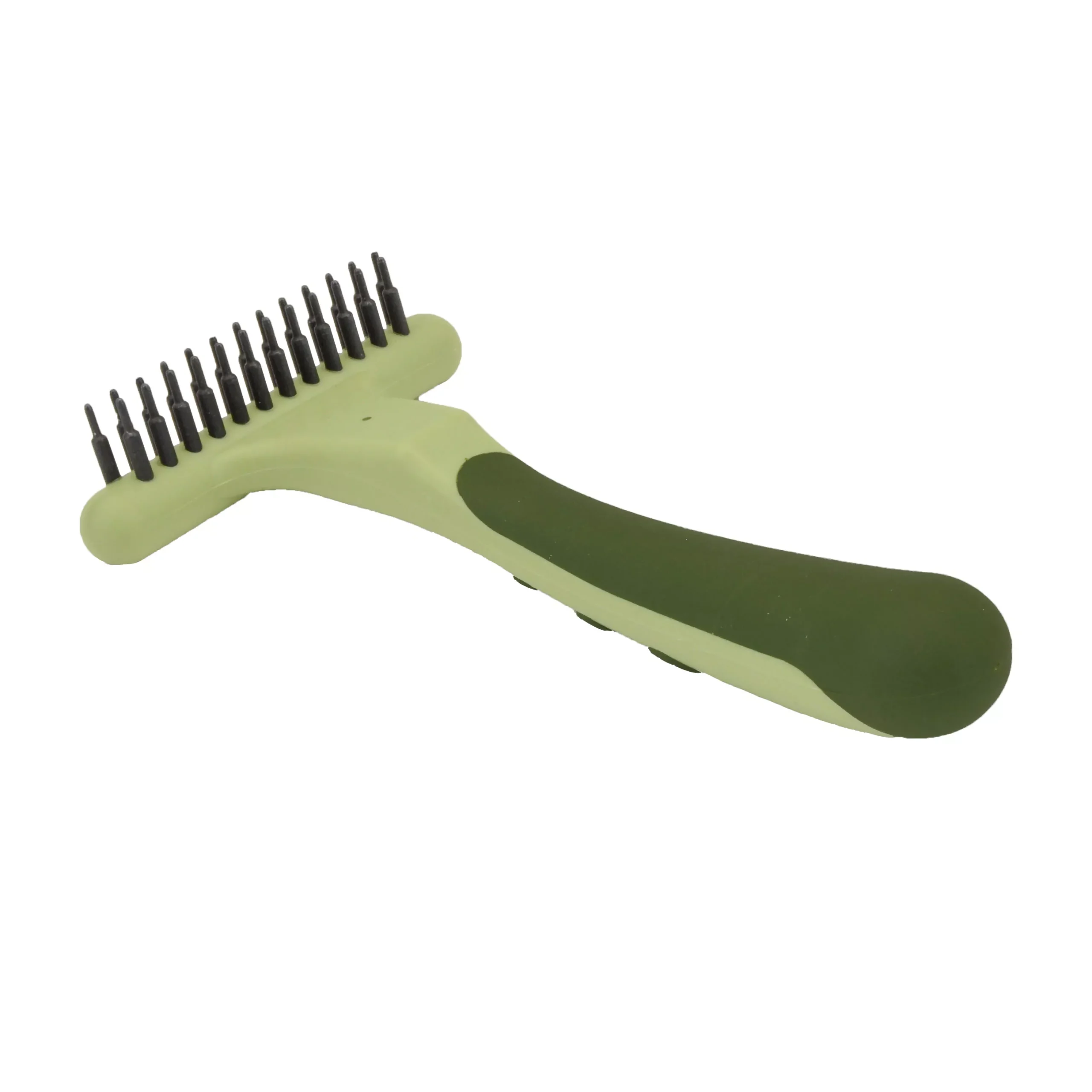
Clinical Verdict: Hertzko Self-Cleaning Slicker for soft, light deshedding. Chris Christensen Big G only for the softest smooth coats. Safari Undercoat Rake is forbidden here because it will cause brush burn.
| Product Image | Product Name | Verified Spec | Primary Button / Our Rating |
|---|---|---|---|
Pro Tier: Zero Abrasion |
|
| |
Mid Tier: Easy Clean |
|
| |
Budget Tier: Deshedding |
|
|
3.5 Shampoos
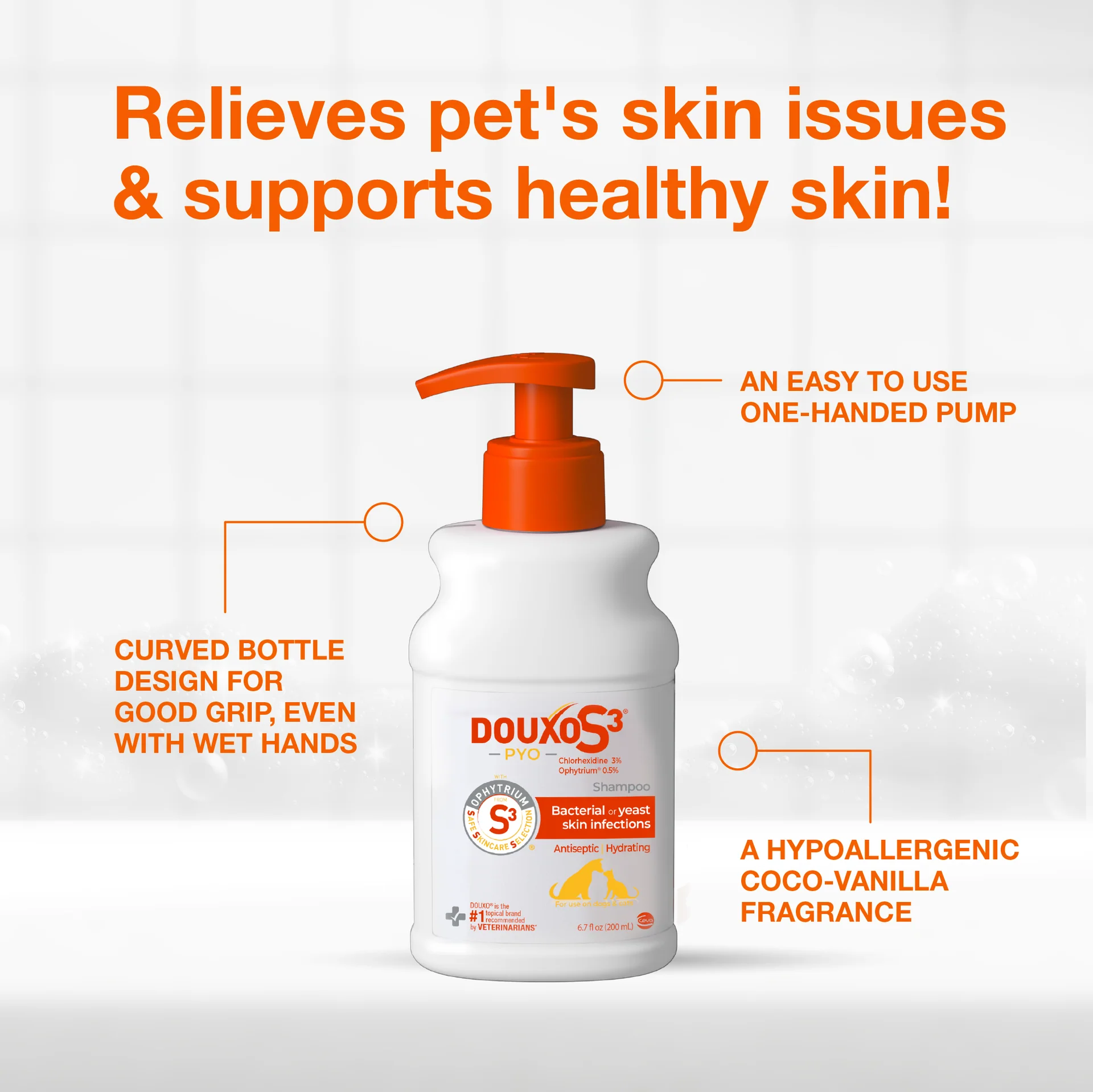
Smooth-coated dogs are prone to dry skin and dandruff because their skin is exposed to the environment every day, and inside a smooth coat grooming system the shampoo has to support the skin barrier rather than strip it further. Harsh, sulfate-heavy shampoos pull the little sebum the skin produces and make dandruff worse within two washes. A gentle, moisturizing formula cleans without stripping, and oatmeal soothes the flaking that already exists. Active ingredients still matter when the skin is compromised. Chlorhexidine and climbazole target bacterial and yeast infections that hide on exposed skin. Douxo S3 PYO rebuilds the lipid barrier while treating the underlying infection, which matters more on a smooth coat than on a heavier coat because there is no fur buffer over the affected skin. The biological goal in a smooth coat grooming system is a calm, intact skin barrier, not a squeaky-clean surface that flakes two days later.
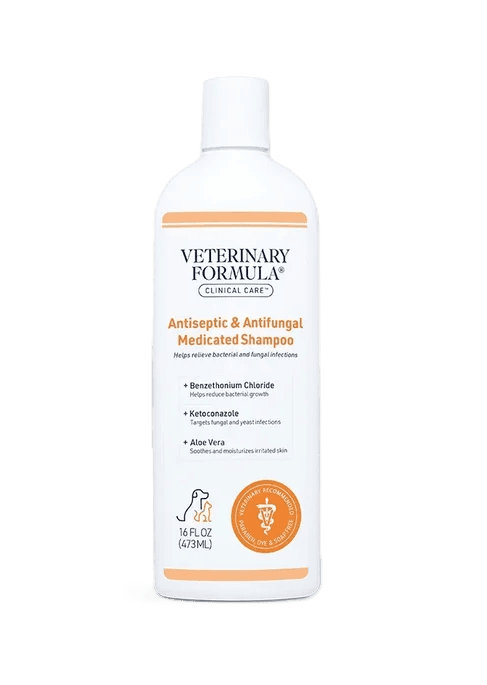
Clinical Verdict: Douxo S3 PYO for bacterial or yeast issues on exposed skin. Veterinary Formula for general maintenance. Burt’s Bees Oatmeal for soothing dry, flaky skin.
| Product Image | Product Name | Verified Spec | Primary Button / Our Rating |
|---|---|---|---|
Pro Tier: Prescription-Strength Antiseptic |
|
| |
Mid Tier: OTC Medicated |
|
| |
Budget Tier: Barrier-Safe Maintenance |
|
|
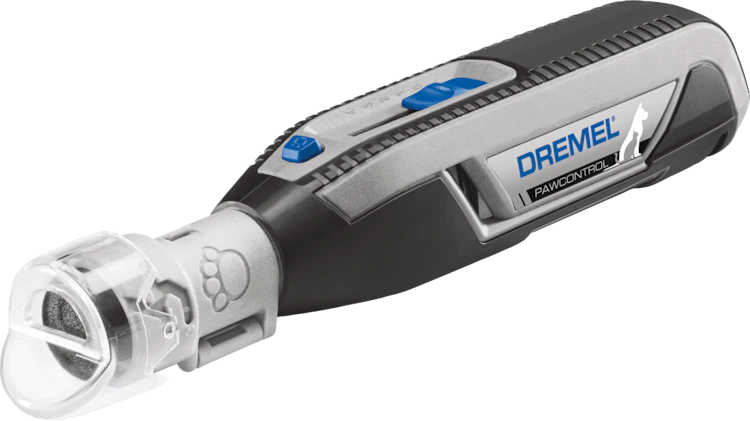
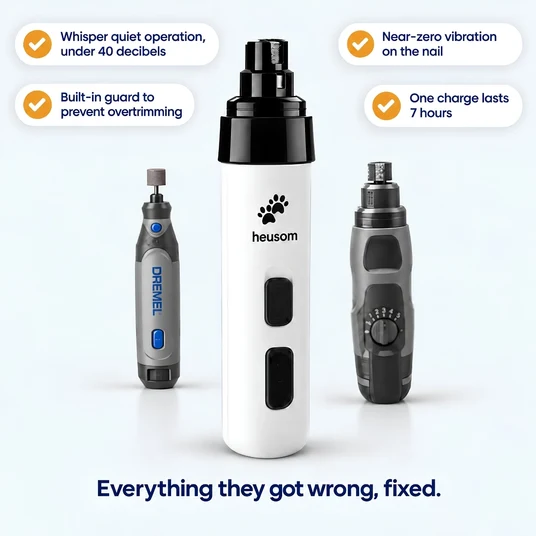
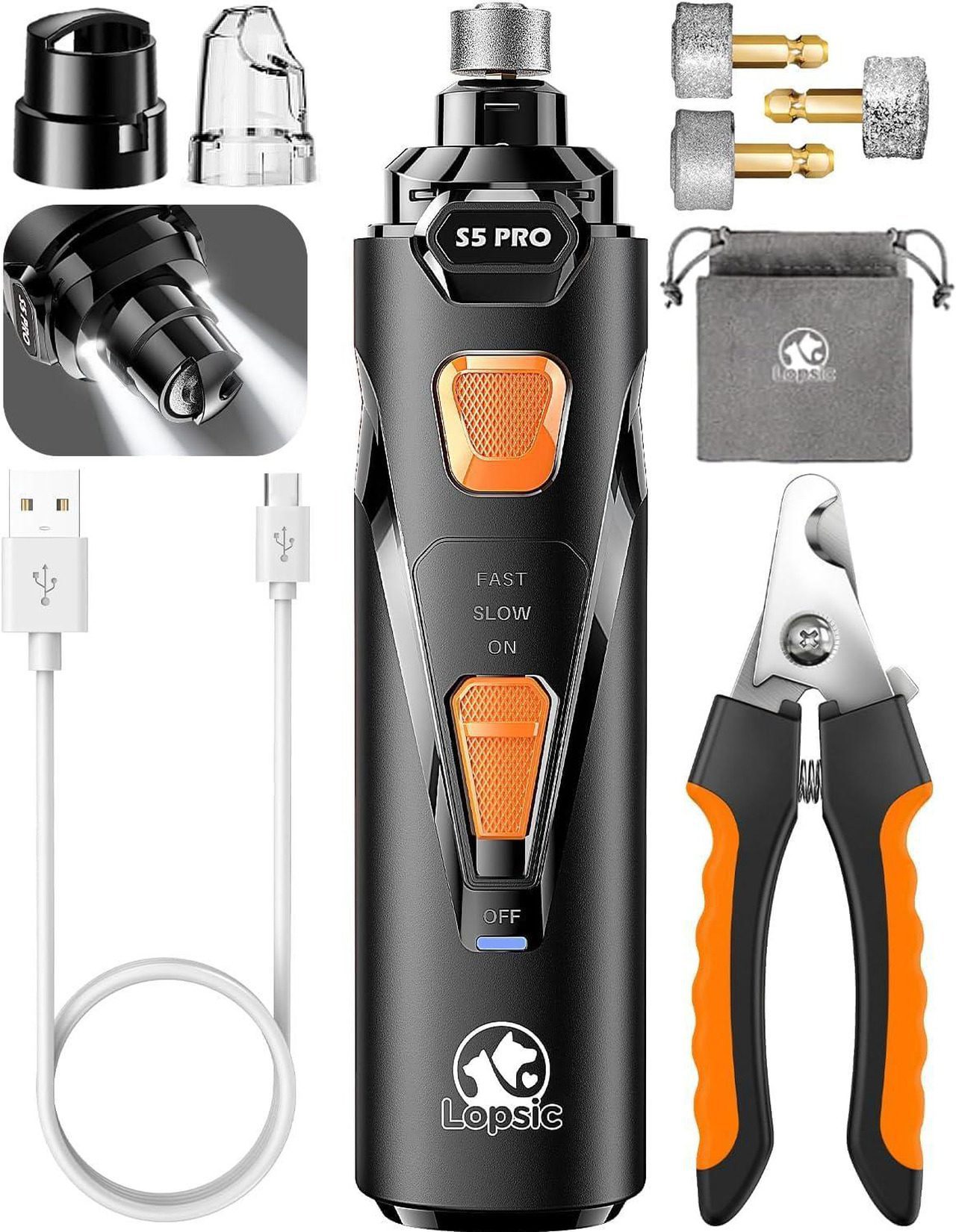
3.6 Nails
Active smooth-coated breeds like Boxers and Dobermans wear their nails down naturally on hard surfaces, but indoor dogs need grinding because indoor flooring does nothing to the nail. The nails on this coat type are usually thick and dark. The quick hides against the nail pigment. That is why a grinder with an LED light belongs in a smooth coat grooming system rather than a standard clipper, because LED illumination shows the quick line through the dark nail so the user can stop before reaching it, which matters more on a thick black nail than on any other nail type a groomer will face on a short-haired breed. Add the guard. Low-noise and low-vibration motors matter because a smooth-coated dog is often an active breed with a low tolerance for stressful handling. The biological goal inside a smooth coat grooming system is to shorten the nail to just before the quick without triggering the pain spike that resets the whole session.
Clinical Verdict: Dremel PawControl for thick nails with its 45-degree guide. LOPSIC for its LED lights to see the quick on dark nails. Heusom only for light nails.
| Product Image | Product Name | Verified Spec | Primary Button / Our Rating |
|---|---|---|---|
Pro Tier: High-Output Precision |
|
| |
Mid Tier: Ultra-Low-Noise Entry |
|
| |
Budget Tier: Whisper-Quiet Desensitization |
|
|
Section 4: Choice Architecture
A smooth coat grooming system has one clear priority that governs every spend decision: the dryer and the rubber brush are the highest-value tools because they solve the two problems this coat type actually has. The dryer blasts loose short hair out of the coat without touching skin. The gentle brush lifts the remaining hair without scraping the epidermis. You do not need a high-end clipper in a smooth coat grooming system unless a vet has directed a shave, which is rarely the right call on this coat type. Put the budget into the dryer and the soft brush, then let the shampoo carry the rest of the value. The clipper can stay at the mid tier. The vacuum matters next because it captures what the dryer pushes into the air. Compare options at the grooming tools hub before committing to a full smooth coat grooming system.
Sensory Check: Brushless vs. Rotary Motors
Motor type decides what a short-haired dog hears and feels before any tool touches the exposed skin, and that sensory load matters more on a smooth coat grooming system than on heavier coats because the skin sits directly under the tool rather than under a coat. Brushless motors eliminate the carbon brush contact that produces the buzzing hum on cheaper cordless units, and they hold a steadier speed as the battery drains. Rotary motors, common in corded clippers and dryers, trade a little weight for torque that does not sag under load. Pivot motors sit at the bottom of the price ladder and slow noticeably under load. That slowdown is audible, and it is the moment a Boxer or a Beagle decides the tool is a threat to the smooth coat grooming system you are trying to run.
Noise behaves the same way across dryers and vacuums. A larger impeller turning at lower revolutions moves the same air volume with less high-frequency whine than a small impeller spinning fast. That whine, not the raw airflow, is what most dogs react to first. Published decibel figures vary by distance and measurement method, so verify any number against the manufacturer’s own listing before you rely on it. Vibration travels through the hand as much as the ear, and brushless clippers and grinders pass far less vibration into the palm. Less vibration means less pressure transferred to exposed epidermis, and less pressure means fewer brush burn patches on a skin surface that has no coat buffer to absorb them.
Section 5: Clinical Contraindications
Never use a Furminator or an undercoat rake on a smooth coat. Those tools were designed for double coats with a thick undercoat to cut through, and on a smooth coat they scrape directly against exposed epidermis, which causes severe brush burn and secondary skin infections within a few sessions. Never brush a smooth coat dry if the skin is already red or irritated. The friction that normally lifts hair turns into a fresh abrasion on skin that is already compromised, and a hot spot can develop before the session ends. Never use high-heat dryers on a smooth coat. Heat dries out the exposed skin and triggers dandruff, turning a routine grooming session inside a smooth coat grooming system into a skin-barrier setback that takes weeks to reverse. Never shave a smooth-coated dog unless directed by a vet. The short coat provides UV protection, and shaving exposes the skin to sunburn and contact allergens that the coat normally blocks. Never bathe a smooth coat more often than every four to six weeks. Over-bathing strips the natural oils that protect the exposed skin and drives the dandruff cycle the owner is trying to stop. The AVMA veterinary literature documents friction dermatitis and post-clipping skin compromise as real outcomes in smooth-coated breeds, not cosmetic preferences. Every one of these contraindications inside a smooth coat grooming system exists because the wrong move on exposed skin is not reversible in a single regrowth cycle, and the cost of correcting the damage lands in weeks of skin recovery instead of a single session.
Section 6: Pre-Groom Skin Checklist
- Run your hand over the dog’s back and flanks. Check the coat for hot spots or dandruff before any tool touches the skin.
- Check the armpits and groin for friction irritation. Those are the first places a smooth coat shows brush burn.
- Look at the coat condition. A dull or greasy coat signals a skin barrier issue that has to be handled before deshedding.
- Check the ears for wax or redness. Smooth-coated breeds are prone to ear infections that hide until they are advanced.
- Look at the paw pads for cracks or cuts. Nail grinding on damaged pads turns a routine trim into a pain spike.
Never groom a dog with active skin lesions, hot spots, or a fever. Refer to a veterinarian first. The full guides index covers breed-specific skin variations that change how a smooth coat grooming system should be tuned.
Interlude: The Rubber Curry Method
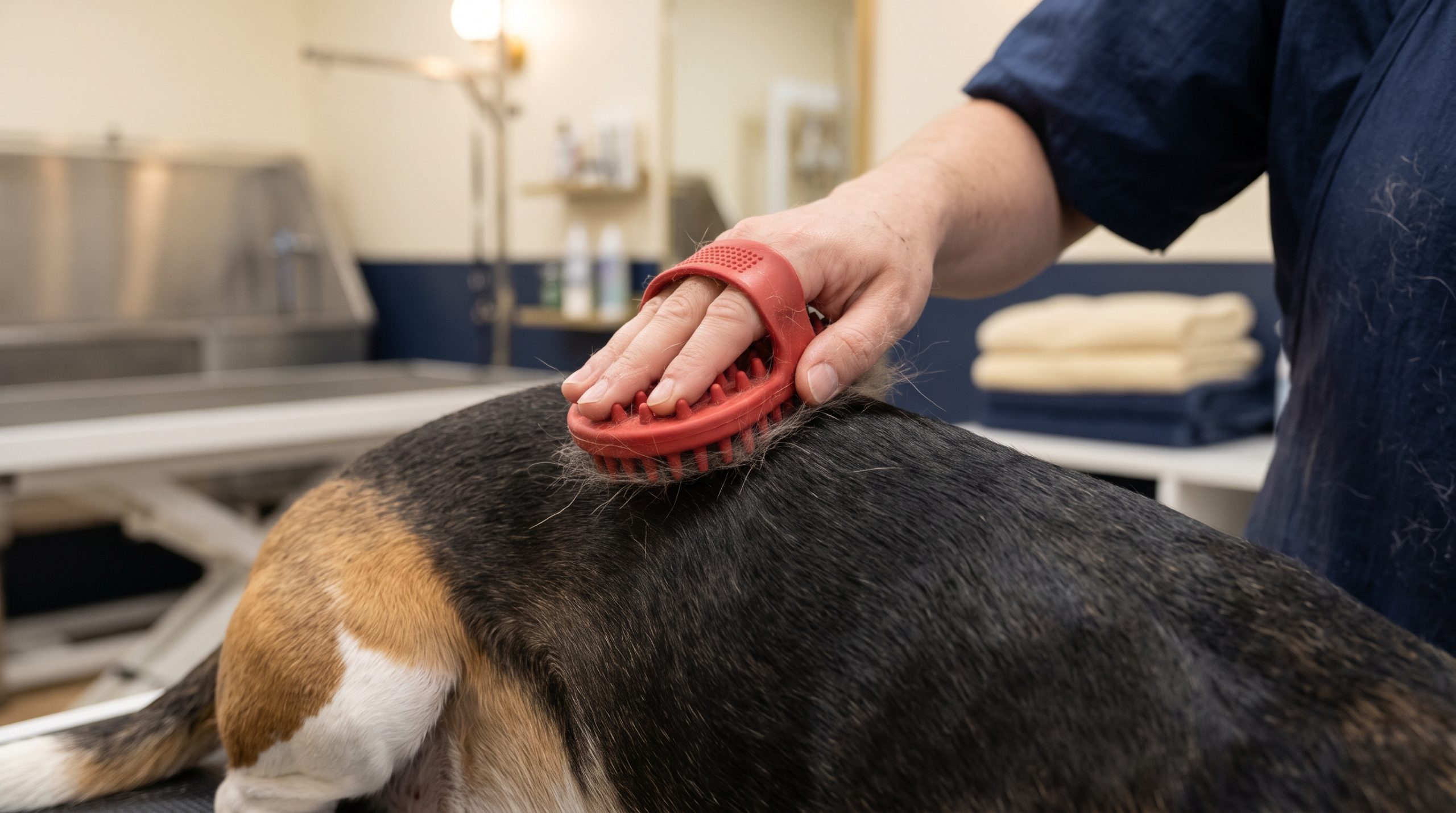
The rubber curry is the safest deshedding tool in any smooth coat grooming system, and it works because the rubber grips the short hair without scratching the skin underneath. You work the curry in slow circular motions across the coat, letting the rubber nubs pull dead hair up and away from the epidermis. The motion is gentle. It does not require pressure because the rubber does the lifting. Work one section at a time, working from the back toward the head and the tail, and let the loosened hair accumulate on the surface before removing it.
Once the circular passes lift a full layer of dead hair, switch to a soft slicker or a damp cloth to lift the loosened hair off the coat. That two-step sequence is the mechanical backbone of a smooth coat grooming system because it removes hair without ever dragging a hard edge across the skin. The PetMD dog bathing guide covers how curry work interacts with bath timing so the loosened hair does not resettle before it is captured.
Section 7: Clinical Citations & Vet Disclaimer
The AKC grooming resources and the FCI breed standards describe the smooth coat as a single-layer short-hair structure with no undercoat to buffer friction from tools. That structure is why a smooth coat grooming system must treat the skin barrier as the primary concern, and why tools designed for double coats will cause brush burn and secondary infections inside a single session.
Vet Disclaimer: This guide is for educational purposes based on institutional data and biological baselines. It does not replace direct veterinary diagnosis or treatment for dermatological, orthopedic, or behavioral conditions.
Read more about our editorial standards and our lead author’s credentials.
Related Cluster
Can I use a Furminator on my Boxer?
No. A Furminator is designed to cut through a thick undercoat, and a Boxer has no undercoat to cut. The blade scrapes directly against exposed epidermis, and that friction causes brush burn that opens the skin to secondary infection. Use a rubber curry instead inside any smooth coat grooming system.
Why does my short-haired dog have dandruff?
Dandruff on a smooth coat usually traces back to an exposed skin barrier that has been stripped by over-bathing or by high-heat drying. The skin has no undercoat to trap moisture, so it flakes faster once the sebum layer is gone. A soothing oatmeal shampoo and less frequent bathing reverse most cases.
How often should I bathe my Beagle?
Every four to six weeks at most. Beagles carry a natural sebum layer that protects their exposed skin, and bathing more often strips that layer and drives the dandruff cycle. Spot-clean muddy paws and use a rubber curry between baths to keep the coat clean.
Will shaving my short-haired dog keep it cool in summer?
No. The short coat already allows heat to escape, and it provides the only UV protection the skin has. Shaving exposes the skin to sunburn and contact allergens, and it removes the coat that distributes sebum across the surface. Manage heat with shade and a cool-air dryer instead.
What is the best way to stop my dog from shedding on the couch?
Capture the hair before it lands. A high-velocity dryer blasts loose short hair out of the coat in one pass, and a grooming vacuum with a rubber head catches what the dryer pushes off. Weekly sessions inside a smooth coat grooming system remove more hair than daily brushing does on this coat type.


The PGA Hardware Desk analyzes and verifies mechanical specifications (SPM, CFM, motor torque, blade metallurgy) against biological and veterinary baselines. We do not accept payment for positive reviews. Our recommendations are derived from a synthesis of manufacturer technical data, veterinary ergonomics, and aggregated professional user experiences.